Data is the representation of meaning in a format machines understand. This is generated by research, observations, human creativity, sensors, transactions, digital interactions, calculations and work processes. Data is used to make decisions, solve problems, drive automation, execute transactions, entertain, inform and secure. The following are everyday examples of data.
Data that describes you as a person or that you have produced on a personal basis. For example, your name or a message you send to a family member. The concept of personal data is commonly extended to personally identifiable data that includes any data that can potentially be tied back to your identity. For example, a nickname that you use in an online video game.
The information collected by a business in order to conduct its operations and pursue its strategy. This includes information about processes, procedures, employees, customers, partners, competitors, markets and transactions. Business data overlaps with the other types of data in the list above. For example, most businesses collect personal data such as customer names and transactions.
Information that is captured when two parties execute a transaction. This includes everything from loaning a book at the library to signing a mortgage agreement. Transactions can also involve fulfillment of obligations such as a package that is delivered to a customer.
Information that is created by communication including messages between people and publication to large audiences. Media data includes the media itself, if it is digital media. It also includes data created by interactions with media such as engagement metrics.
Machine Data
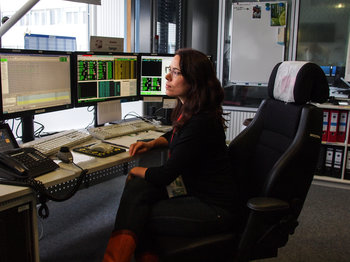
Information that is automatically recorded by a machine. Machine data includes copious amounts of low value data such as logs that include obscure debugging information about how a machine is operating. However, when there is a need for this data such as when there is a problem or an audit, this data can suddenly become important.
Data that isn't precise such that it requires cognitive interpretations to understand it. Qualitative data is generated by humans and other real world entities. For example, a survey that captures employee opinions. This may be expressed as numbers but is not precise as it was generated by human cognitive interpretations. For example, a slight change to how a survey question is worded may yield completely different results.
Data that describes the real world. This usually implies data that isn't internally focused to a machine, organization or individual but rather captures information about the universe. For example, your age is personal information but demographic information that describes the age groups in a city is knowledge.
Cookies help us deliver our services. You have choices regarding these cookies. Please visit our privacy policy, cookie policy and consent tool to learn more.
Copyright 2002-2026 Simplicable. All rights reserved. This material may not be published, broadcast, rewritten, redistributed or translated. Report violations here.