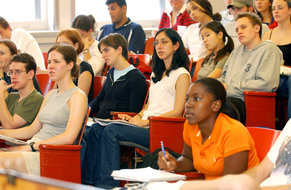
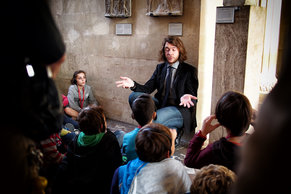
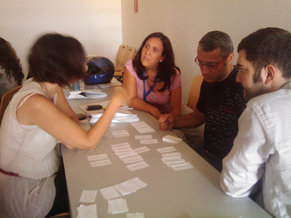
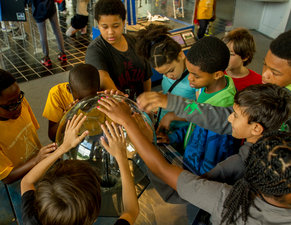
Education is the experience of acquiring knowledge and exercising intellectual abilities. This includes teaching, studying, training, discussion, storytelling, research and design. Education is considered both a human right and a cornerstone of culture and economic progress. The following are common examples of education.
Levels & Types
Levels of education such as preschool, kindergarten, elementary school, middle school, high school, vocational school, trade school, college and university. Each of these has various types such as public, private or some mix such as a charter school that is mostly independent but receives public funding.
The goals of education are usually framed in terms of student outcomes in areas such as knowledge, awareness, talent, skills and character strengths. Education is also an element of the human experience that provides foundational social skills such as experience managing conflict. Education also serves a purpose for a society and economy whereby it can produce engaged citizens and productive workers.
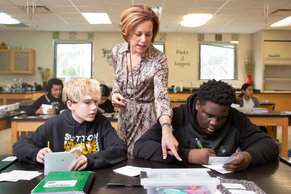
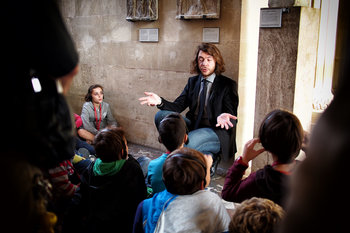
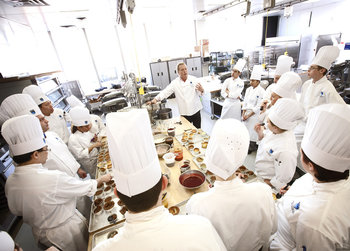
The process of cultivating knowledge, abilities and capacity in others. Teaching entails curriculum development, instruction planning, orchestrating lessons, classroom management, assessment and evaluation. Teaching also requires subject knowledge and invariably includes a process of lifelong learning.
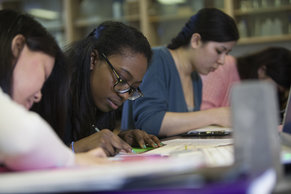
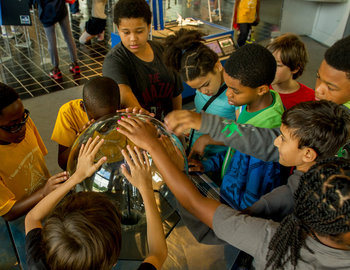
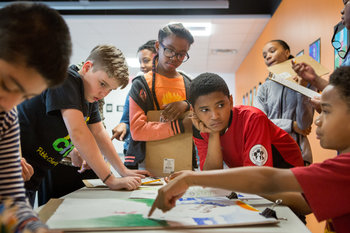
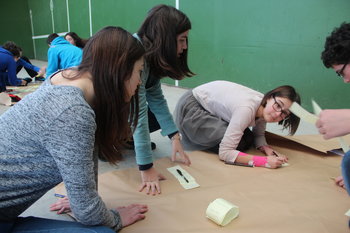
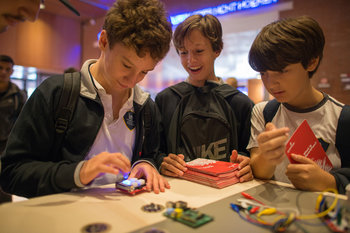
The process of cultivating knowledge, mastering talents and building up emotional, social and cognitive capacities in yourself. Learning is a fundamental type of self improvement that is an inherent part of life. In an educational setting, this generally entails joining a program and pursuing learning with others. This can involve jumping through hoops such as high stakes testing. However, formal education can also offer rich resources and the ability to surround yourself with others who are learning and researching in your fields of interest.
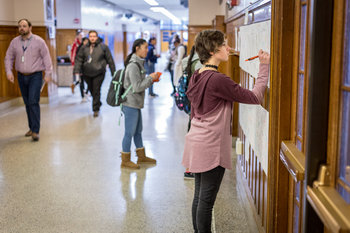
Educational institutions such as schools are social environments that develop a unique culture over time with the shared experiences of faculty, staff, students and other stakeholders such as parents. School culture is fully intangible and includes things like norms, expectations and attitudes. However, it can be shaped by tangible things such as the architecture or natural setting of a school.
Education can be an emotionally and politically charged topic because parents want the best for their children and see education as crucial. As education imparts ideas there is also the temptation to politicize it or corrupt it towards some agenda or purpose. The following are common education issues including those related to fairness, quality and approach.
Change to education is typically driven by external technological, social, culture, economic and political change. These things can shift student needs and how knowledge is acquired and used. For example, technology that represents both a powerful tool for research and a crutch or distraction that may prevent students from using their cognitive capacities to their full potential.
Other Resources
Please check out our new site Pine Charts that has plenty of data about general trends in education:
Cookies help us deliver our services. You have choices regarding these cookies. Please visit our privacy policy, cookie policy and consent tool to learn more.
Copyright 2002-2026 Simplicable. All rights reserved. This material may not be published, broadcast, rewritten, redistributed or translated. Report violations here.