
Download SystemTrayMenu – Free, Portable Start Menu Utility for Windows & Mac
SystemTrayMenu is a lightweight, free, and open-source utility tool designed for Windows and Mac users who want a faster, more customizable way to access their files and applications. Created by independent developer Markus Hofknecht, this portable app replaces or enhances the default Start menu by bringing a sleek, quick-access menu directly to your system tray. Unlike traditional start menu alternatives that require installation, SystemTrayMenu runs without any setup—just download, extract, and launch. It’s perfect for users who value speed, privacy, and minimalism. With no background processes or third-party dependencies, it’s a secure and efficient tool for organizing your digital workspace. Whether you're a power user, a developer, or someone who just wants a cleaner way to launch apps and files, SystemTrayMenu delivers a smooth, distraction-free experience. Its intuitive interface and customizable settings make it ideal for both beginners and advanced users.
Key Features of SystemTrayMenu
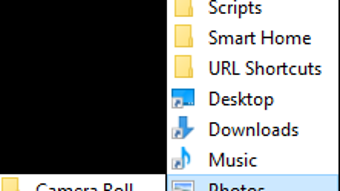
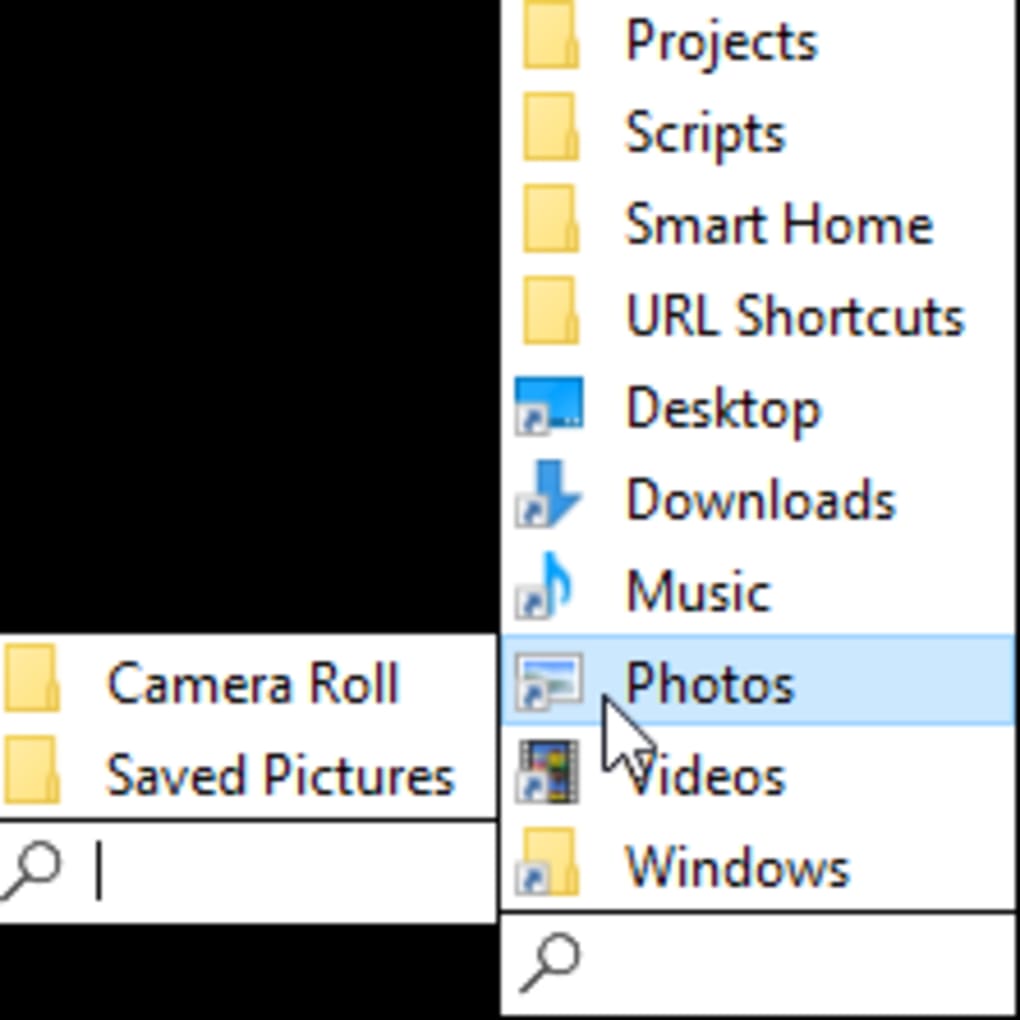
SystemTrayMenu stands out in the crowded landscape of desktop utilities thanks to its simplicity, portability, and powerful customization options. One of its most compelling features is its portability. Unlike most software that installs system-wide and leaves behind registry entries, SystemTrayMenu runs entirely from a single folder—making it perfect for USB drives or shared computers. You can carry your personalized menu across devices without leaving traces behind. Another standout feature is its system tray integration. The app places a small, unobtrusive icon in your system tray, which you can access with a single click to reveal your custom menu. This instant access eliminates the need to navigate through folders or use keyboard shortcuts.
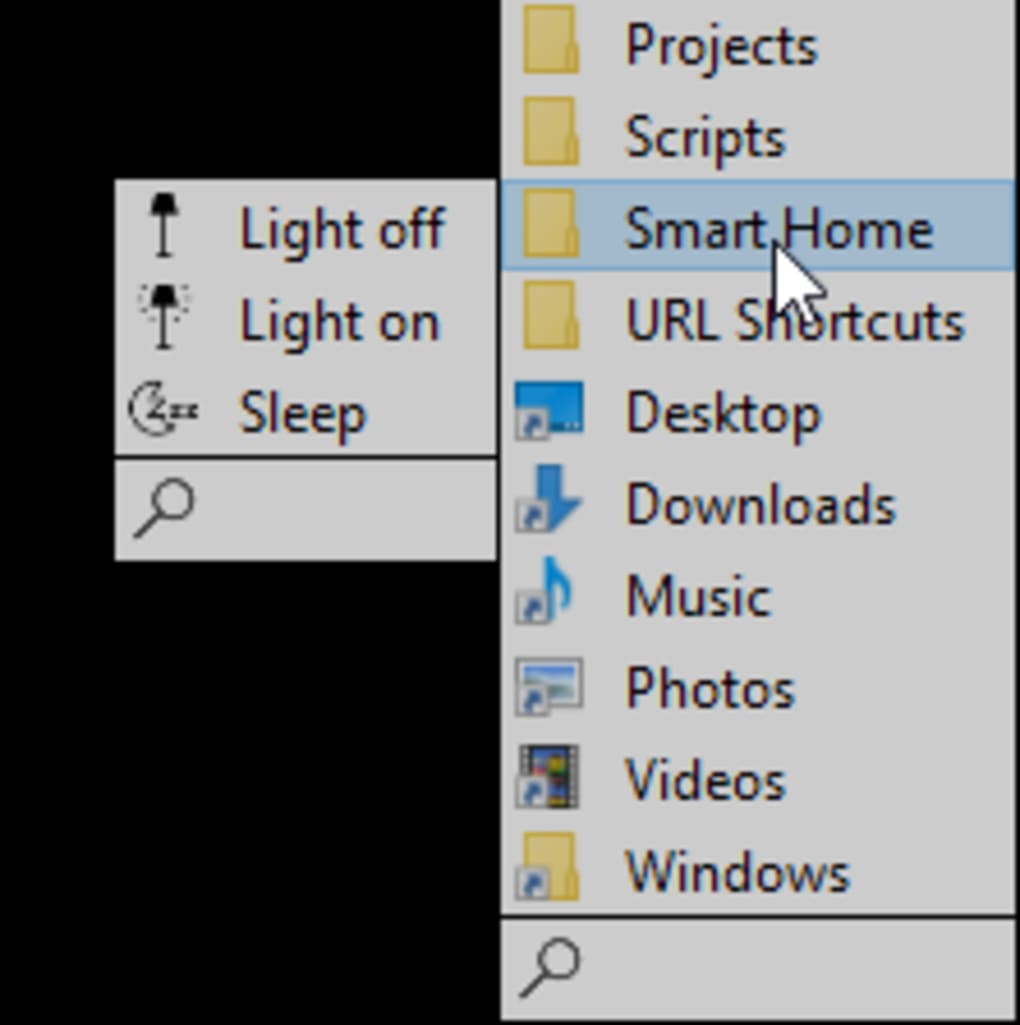
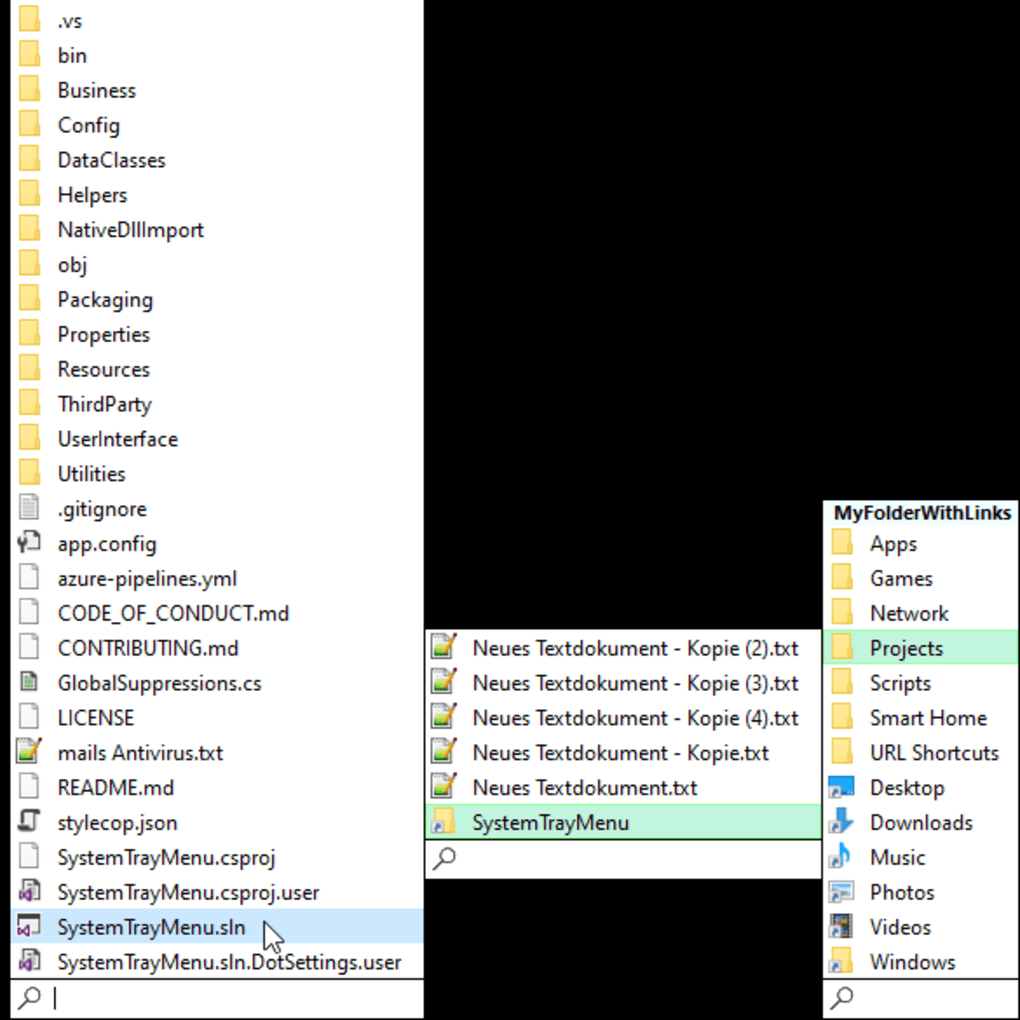
The tool allows you to create custom folders and sub-folders for organizing shortcuts, giving you full control over how your apps and files are grouped. Whether you're managing project files, frequently used documents, or development tools, you can structure them just the way you like. The search function is another powerful addition—type a few letters, and it instantly filters your shortcuts, making it easy to find what you need in seconds. For users who prefer keyboard navigation, SystemTrayMenu supports hotkey activation, so you can trigger the menu with a custom key combo.
Advanced users will appreciate the expert settings tab, which offers options like single-click launch, dark mode, and auto-start on boot. You can also change the main directory at any time, which is useful if you want to switch between different configurations. All settings are saved in a simple config file, making it easy to back up or transfer. With no ads, no telemetry, and no in-app purchases, SystemTrayMenu remains a pure, focused tool that respects your privacy and system performance. Whether you're looking for a minimal start menu alternative or a way to streamline your workflow, this software delivers on all fronts.
How to Install and Use SystemTrayMenu on Windows and Mac
Installing and using SystemTrayMenu is incredibly straightforward, especially for users who prefer a no-installation approach. To get started, visit the official GitHub repository or trusted download site and download the latest version. The file is typically a ZIP archive, so simply extract it to a folder of your choice—your desktop, documents folder, or even a USB drive. There’s no need to run an installer or accept any license agreements. Once extracted, double-click the SystemTrayMenu.exe file (on Windows) or the SystemTrayMenu.app file (on Mac) to launch the application.
Upon first launch, you’ll be prompted to select a folder to serve as the main directory for your shortcuts. This folder will store all your links, sub-folders, and configuration files. Choose a location that’s easy to access and remember. After setting the directory, the app will create a system tray icon. Click on it to open the menu. From here, you can add shortcuts by dragging and dropping them from your desktop or file explorer into the folder. You can also create sub-folders within the main directory to categorize your apps and files—perfect for organizing projects, games, or tools.
For advanced usage, right-click the system tray icon to access the settings menu. Here, you can enable auto-start on system boot, assign a custom hotkey, switch to dark mode, or adjust the launch behavior (single-click vs. double-click). The search bar at the top of the menu lets you quickly find any shortcut by name. If you’re using a portable version, simply copy the entire folder to another device and launch it—no reconfiguration needed. This makes SystemTrayMenu ideal for users who work across multiple machines or want a consistent desktop experience without installation.
Compatibility, Security, and Performance
SystemTrayMenu is designed with cross-platform compatibility in mind, supporting both Windows 7 and later and macOS 10.14 (Mojave) and newer. It’s lightweight, consuming minimal RAM and CPU resources, making it suitable for older or low-spec machines. Because it’s portable and doesn’t require installation, it doesn’t interfere with your system’s registry or file structure—ensuring a clean, secure experience. This is particularly valuable for users concerned about privacy, malware, or bloatware.
Security is a top priority. The software is open-source, meaning its code is publicly available for review, reducing the risk of hidden backdoors or malicious behavior. The developer, Markus Hofknecht, has maintained a transparent and active community presence, regularly releasing updates to fix bugs and improve stability. You can verify downloads via checksums or digital signatures if available. Additionally, since it doesn’t require internet access to function, your data remains local and private.
Performance-wise, SystemTrayMenu starts instantly and responds to clicks and searches without lag. The interface is smooth, even with hundreds of shortcuts. It’s ideal for users who want a fast, reliable way to launch applications without the overhead of full-featured start menu replacements. Whether you’re a student, professional, or hobbyist, this tool enhances productivity without slowing down your system. Its lightweight nature and minimal footprint make it a smart choice for anyone seeking a secure, efficient, and portable desktop utility.
Pros and Cons of SystemTrayMenu
- Pros:
- Free and open-source – no cost, no ads, no tracking
- Portable – runs from a folder, no installation required
- Lightweight – minimal system resource usage
- Customizable – supports folders, sub-folders, search, hotkeys
- Secure – no telemetry, no registry changes, open-source code
- Dark mode and single-click launch for advanced users
- Cons:
- Basic UI – lacks visual polish compared to commercial tools
- Manual setup required – no guided onboarding
- Not ideal for beginners unfamiliar with file shortcuts
- Limited to system tray access – no floating window or full-screen mode
- Updates require manual download and replacement
Frequently Asked Questions (FAQ)
Is SystemTrayMenu free to download and use?
Yes, SystemTrayMenu is completely free and open-source. You can download, use, modify, and distribute it without any cost or restrictions.
Does SystemTrayMenu work on Mac?
Yes, SystemTrayMenu supports macOS 10.14 and later. The Mac version is available as a .app file and runs without installation.
Can I use SystemTrayMenu on a USB drive?
Absolutely. Since it’s portable, you can run it directly from a USB drive. Just extract the files and launch the app—your shortcuts and settings will follow you.
How do I add a new shortcut?
Simply drag and drop a file, folder, or executable into the main directory folder. The shortcut will appear in the menu the next time you open it.
Can I change the hotkey to open the menu?
Yes, go to the settings menu via the system tray icon and set a custom hotkey under the "General" tab.
Final Thoughts: Is SystemTrayMenu Worth Trying?
SystemTrayMenu is a solid choice for users who want a fast, secure, and customizable way to access their files and applications. While it may not have the flashy interface of commercial alternatives, its simplicity and portability make it a standout tool for power users and privacy-conscious individuals. It’s especially useful for those who work across multiple devices or prefer not to clutter their system with installed software.
Despite its minimalistic design, it delivers core functionality with reliability and speed. If you’re looking for a lightweight, free, and secure alternative to the default Windows Start menu—or even a way to streamline your Mac workflow—SystemTrayMenu is definitely worth a download. It’s a perfect tool for tinkerers, developers, and anyone who values control over their digital environment.
Ready to take control of your desktop? Download SystemTrayMenu today and experience a faster, cleaner way to launch your apps and files.