
Download Trello – Free Desktop Project Management Tool
Overview
Trello Desktop brings the beloved, card‑based workflow management system from the web to your local machine. Designed for small‑scale projects, the app lets you create boards, columns, and cards that visually represent tasks, ideas, and milestones. Unlike the browser version, the desktop client offers faster rendering, offline access, and a set of hotkeys that speed up navigation for power users. The core philosophy remains simple: you organize work into columns such as “To Do,” “In Progress,” and “Done,” then drag cards between them as work progresses. This visual approach keeps teams focused, reduces the need for endless status meetings, and serves as a living reminder of how far a project has come. While Trello isn’t built for massive data‑heavy initiatives, its lightweight nature makes it a perfect companion for freelancers, small teams, and anyone who prefers a clean, intuitive interface over feature overload. The desktop version also syncs seamlessly with the cloud, ensuring that changes made on your computer appear instantly on mobile devices and the web app. Whether you’re tracking a personal habit, planning a product launch, or managing a content calendar, Trello Desktop provides a secure, free, and constantly updated environment that helps you stay organized without the distractions of a full‑blown project‑management suite.
Key Features of Trello Desktop
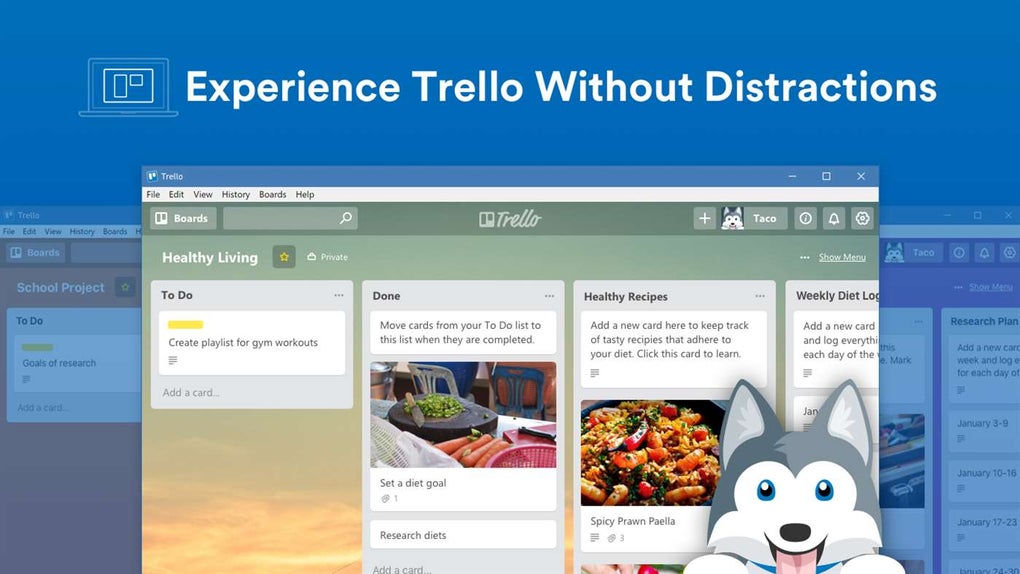
- Board‑Based Layout: Create unlimited boards that act as separate workspaces for different projects or departments.
- Drag‑and‑Drop Cards: Move tasks between columns with a simple mouse gesture, instantly updating status.
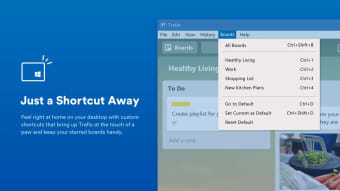
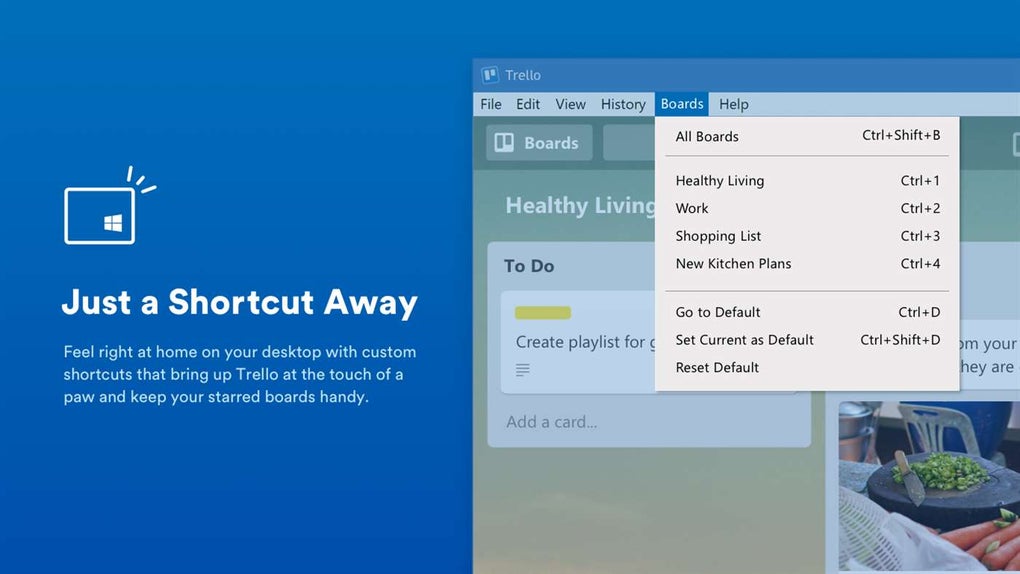
- Powerful Hotkeys: Use keyboard shortcuts (e.g., “N” for new card, “C” for comment) to accelerate daily operations.
- Offline Mode: Work without an internet connection; all changes sync automatically once you’re back online.
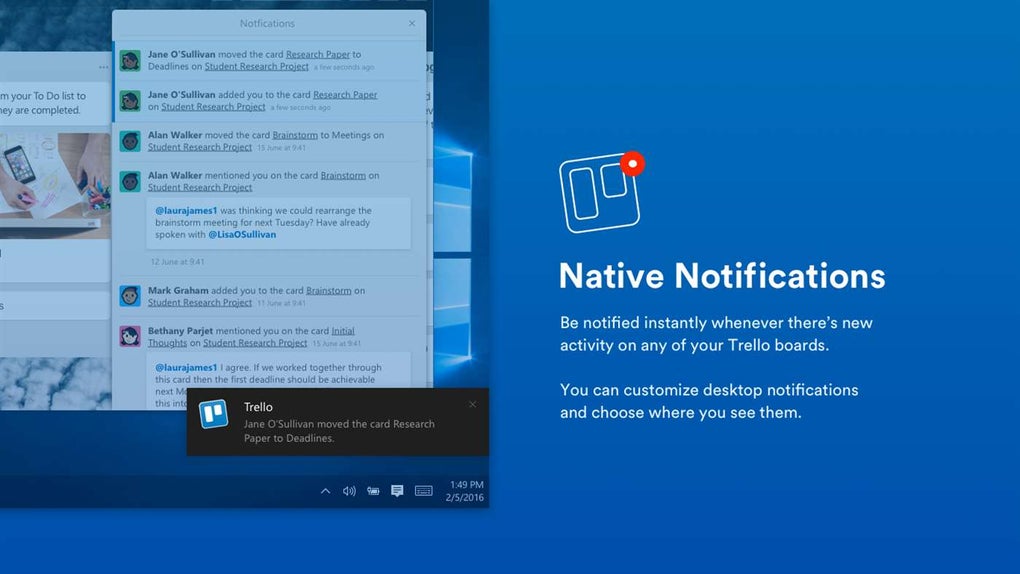
- Native Desktop Notifications: Receive real‑time alerts for due dates, mentions, and board activity directly on your desktop.
- Custom Labels & Stickers: Add color‑coded labels, emojis, and stickers to cards for quick visual categorization.
- Attachments & Previews: Attach files from your computer, Google Drive, or Dropbox and preview them without leaving the app.
- Integrations via Power‑Ups: Extend functionality with third‑party Power‑Ups like Calendar, Google Drive, and Slack.
- Secure Sync: All data is encrypted during transfer and stored in Trello’s cloud, ensuring privacy and integrity.
- Free Core Plan: The desktop client is completely free, with optional paid Power‑Ups for advanced needs.
Installation, Setup, and Daily Usage
Getting started with Trello Desktop is straightforward. Visit the official Trello website and download the installer for your operating system. The installer is a small, signed executable that runs on Windows 10/11, macOS 10.15 or later, and popular Linux distributions via an .AppImage file. After launching the installer, follow the on‑screen prompts: accept the license agreement, choose an installation folder, and click “Install.” The process typically completes within a minute on most machines.
Once installed, launch Trello Desktop and sign in with your existing Trello account (or create a new one in seconds). Your existing boards automatically appear, thanks to seamless cloud synchronization. If you prefer to work offline, simply enable “Offline Mode” in the Settings menu; the app will cache board data locally and sync any changes once you reconnect.
Daily usage revolves around three core actions: creating boards, adding columns (called “lists”), and populating cards. To create a new board, click the “+” icon on the left sidebar, name your board, and choose a background color or image. Inside a board, click “Add a list” to define stages such as “Backlog,” “Sprint,” or “Completed.” Within each list, click “Add a card” to capture a task, then type a title and press Enter. You can double‑click a card to open a detailed view where you add descriptions, checklists, due dates, attachments, and comments. Use the hotkey “B” to open the board switcher, “F” to filter cards, and “L” to apply labels instantly.
The desktop client also supports native notifications. When a card’s due date approaches or a teammate mentions you, a small popup appears on your screen, keeping you aware without needing to constantly check the app. For power users, the “Search” bar at the top lets you locate cards across all boards using keywords, labels, or member names, making it easy to jump to the exact task you need.
Compatibility: Trello Desktop runs on Windows, macOS, and Linux. It requires at least 2 GB of RAM and a modern processor; older hardware may experience slower rendering on very large boards, but typical usage for small‑scale projects remains fluid.
Pros, Cons, and Frequently Asked Questions
Pros
- Free core functionality with no hidden costs.
- Intuitive drag‑and‑drop interface that reduces learning curve.
- Offline access ensures productivity without internet.
- Fast native performance compared to the web app.
- Robust keyboard shortcuts for efficiency.
- Secure cloud sync and end‑to‑end encryption.
Cons
- Not ideal for highly complex, data‑intensive projects.
- Limited built‑in reporting; relies on Power‑Ups for analytics.
- Collaboration features are basic compared to dedicated PM tools.
- Large boards with thousands of cards can become sluggish.
FAQ
Is Trello Desktop truly free?
Yes, the desktop client is completely free. You only pay if you choose premium Power‑Ups or a Business Class subscription for additional features.
Can I use Trello Desktop on multiple devices?
Absolutely. Boards sync across all devices logged into the same Trello account, including the web, mobile apps, and desktop client.
What happens to my data if I uninstall the app?
All board data is stored in Trello’s cloud. Uninstalling the desktop client removes only the local cache; your boards remain safe and will re‑sync when you reinstall.
Does Trello Desktop support integrations like Slack or Google Drive?
Yes, through Power‑Ups. You can enable Slack notifications, attach Google Drive files, and connect other services directly from the board menu.
Is there a way to backup my boards locally?
While Trello automatically backs up to the cloud, you can export each board as a JSON file via the board’s menu for an additional local backup.
Trello Desktop delivers a smooth, distraction‑free experience for users who need a simple yet powerful visual task manager. Its free tier covers most everyday needs, and the offline capability makes it a reliable companion for remote work. While it lacks deep reporting and may struggle with massive boards, the benefits of speed, native notifications, and a clean UI outweigh the limitations for small teams and individual users.
Conclusion – Should You Download Trello Desktop?
If you’re looking for a secure, free, and easy‑to‑learn project‑management app that works offline and integrates with the broader Trello ecosystem, Trello Desktop is an excellent choice. Its card‑and‑board metaphor simplifies workflow visualization, while native hotkeys and desktop notifications keep you productive without constant mouse clicks. Although it isn’t built for large‑scale enterprise planning, its lightweight design makes it perfect for freelancers, small teams, and personal productivity enthusiasts. Download Trello today, set up your first board in minutes, and experience a smoother, more organized way to get things done.
Click here to download Trello Desktop for free and start turning ideas into actions instantly.