Image

Sampling The Elephant’s Foot And Chornobyl’s Tedious Corium Clean-up

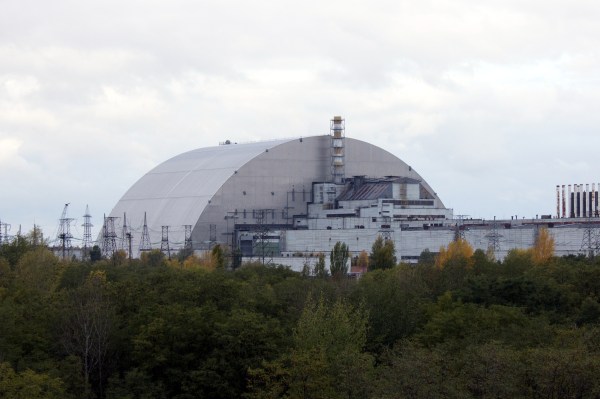
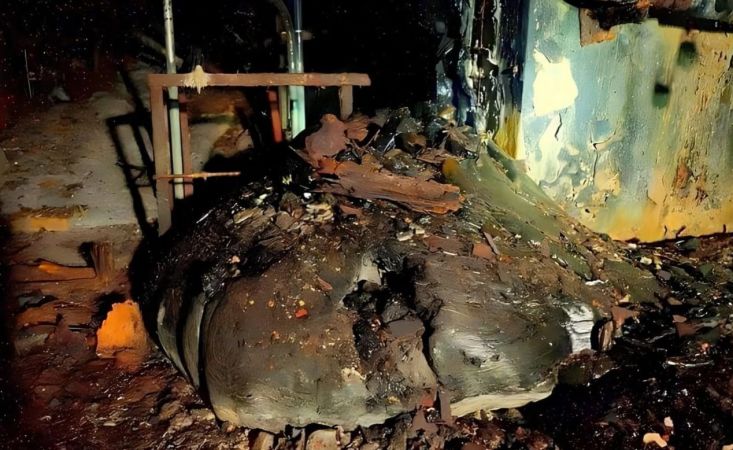
The site of the Chornobyl Nuclear Power Plant (ChNPP) remains a unique location, as what’s left of the No. 4 reactor is the only place in the world where you can find significant amounts of what is called corium. An amalgamation of nuclear fuel, fuel rod cladding and whatever materials like concrete that the molten mass came into contact with, Soviet scientists initially struggled to make sense of this material, leading them to even have it shot at to get samples.

In this video documentary by [That Chernobyl Guy] these struggles by scientists both in and outside the USSR to comprehend this wholly new material are detailed. Much like trinitite – created by a US nuclear weapons test – these are amalgamations of material combined under extreme conditions. In the case of the ChNPP accident, the botched turbine spin-up test and disabling of all safeties by the operators allowed the bottom core chain reaction to run unconstrained, producing the massive steam explosion that flipped the biosafety lid of the RBMK reactor, while also fully melting the core material that then melted through the concrete below the reactor.

Although this Elephant’s Foot is only a tiny fraction of the total mass of corium inside the No. 4 reactor, it got rather infamous for supposedly being highly radioactive and lethal. In reality it’s one of the least dangerous parts of the exposed corium, and repeated sampling attempts along with internal degradation due to radioactive decay and weathering before the NSC shelter was installed have led to it mostly turning into slightly radioactive, rusty-looking dust at this point.

Also covered in the video is how the corium in the destroyed reactor is likely to be retrieved for final disposal, with robots cutting into the sides of the reactor building rather than trying to navigate destroyed corridors and staircases. This way it might be possible to remove most of the material without the issues that stymied Soviet engineers in the 1980s during their sampling attempts.

Continue reading “Sampling The Elephant’s Foot And Chornobyl’s Tedious Corium Clean-up” →
Image

Boss Byproducts: Corium Is Man-Made Lava

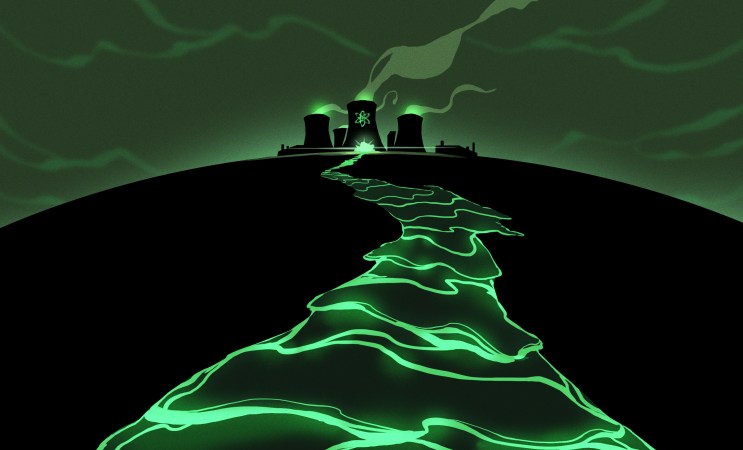
So now we’ve talked about all kinds of byproducts, including man-made (Fordite), nature-made (fulgurites), and one that’s a little of both (calthemites). Each of these is beautiful in its own way, but I’m not sure about the beauty and merit of corium — that which is created in a nuclear reactor core during a meltdown.

A necklace made to look like corium.
A necklace made to look like corium. Image via OSS-OSS

Corium has the consistency of lava and is made up of many things, including nuclear fuel, the products of fission, control rods, any structural parts of the reactor that were affected, and products of those parts’ reaction with the surrounding air, water, and steam.

If the reactor vessel itself is breached, corium can include molten concrete from the floor underneath. That said, if corium is hot enough, it can melt any concrete it comes in contact with.

So, I had to ask, is there corium jewelry? Not quite. Corium is dangerous and hard to come by. But that doesn’t stop artisans from imitating the substance with other materials.

Continue reading “Boss Byproducts: Corium Is Man-Made Lava” →

Image

Increased Neutron Levels At Chernobyl-4: How Dangerous Is Corium?

When the Chernobyl nuclear plant suffered the power output surge that would destroy its #4 reactor, a substance called ‘corium‘ was formed. This originally lava-like substance formed out of the destroyed fuel rods along with surrounding materials, like concrete, that made up the reactor. The corium ultimately cooled down and left large amounts of solid corium in the rooms where it had pooled.

Over the past few days there have been numerous reports in the media regarding a ‘sudden surge’ in neutron flux levels from this corium, with some predicting a ‘second Chernobyl disaster’. Obviously, this has quite a few people alarmed, but how dire are these neutron output changes exactly, and what do they tell us about the condition of the corium inside the ruins of the #4 reactor building? Continue reading “Increased Neutron Levels At Chernobyl-4: How Dangerous Is Corium?” →