This is one of the most lucid and accessible intros to Bayesian inference I have seen, by @rlmcelreath. No background required: Statistical Rethinking 2022 Lecture 02 - Bayesian Inference youtu.be/guTdrfycW2Q via @YouTube
2020 was the year in which *neural volume rendering* exploded onto the scene, triggered by the impressive NeRF paper by Mildenhall et al. I wrote a post as a way of getting up to speed in a fascinating and very young field and share my journey with you:
We are in the process of editing a SLAM handbook, to be published by Cambridge University Press, with many stellar contributors. Part 1 is available as an online draft for public comments. Help us find bugs/problems!
Our #CVPR22 paper on Panoptic NeRF is now released on arxiv. TL;DR: view synthesis + semantics on “stuff” and objects in the scene. Object-based NeRFs also allow for editing/moving/removing.
In anticipation of the Intl. Conf. on Computer Vision (#ICCV2021) this week, I rounded up all papers that use Neural Radiance Fields (NeRFs) represented in the main #ICCV2021 conference here (1/N):
One of the last things I did at Google AI was writing a minimal jax/flax version of voxel-based NeRF, with Pedro Velez, and it was finally open-sourced: github.com/google-researc…
Gemini 2.5 is mindboggingly good @JeffDean. Also discovered repomix, to upload entire folders of code. The result is magic. Some mermaid output below about IMU factors in @gtsam4:
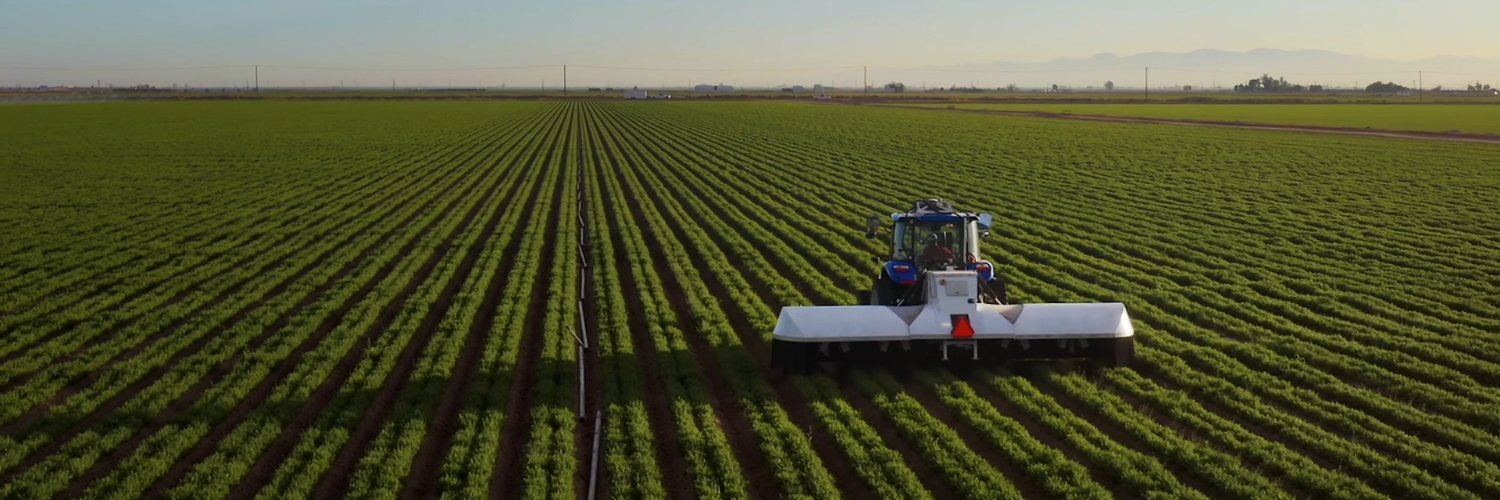
This article presents an active ball joint mechanism (ABENICS) enhanced by interactions of spherical gears. The gearbased joint drives three rotational degrees of freedom (RDoF) without slippage [full paper: buff.ly/3gG96AH] [media: buff.ly/3gMZ67y]
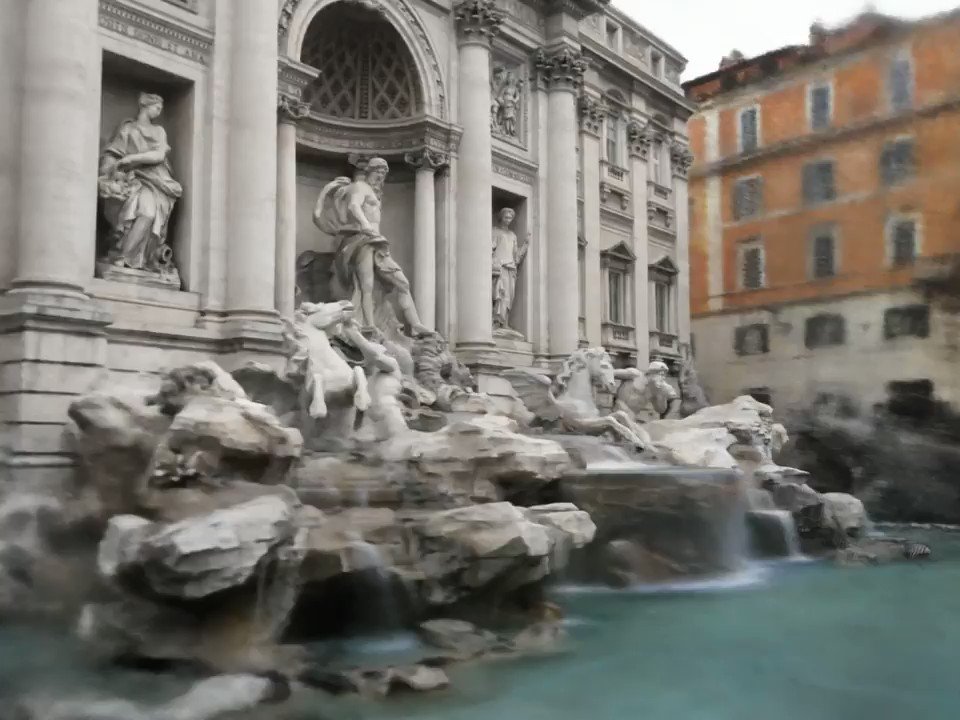
Our paper, “NeRF in the Wild”, is out! NeRF-W is a method for reconstructing 3D scenes from internet photography. We apply it to the kinds of photos you might take on vacation: tourists, poor lighting, filters, and all. nerf-w.github.io (1/n)