
EU and Turkey explore closer trade ties to reduce dependence on China
The EU may not want Turkey as a member, but both sides can see the appeal of closer economic ties to reduce their dependencies on China.
The EU may not want Turkey as a member, but both sides can see the appeal of closer economic ties to reduce their dependencies on China.

Turkey has arrested dozens of LGBTI+ activists in nationwide raids, drawing meek criticism from EU officials and calls for Europe-wide solidarity protests on Friday.
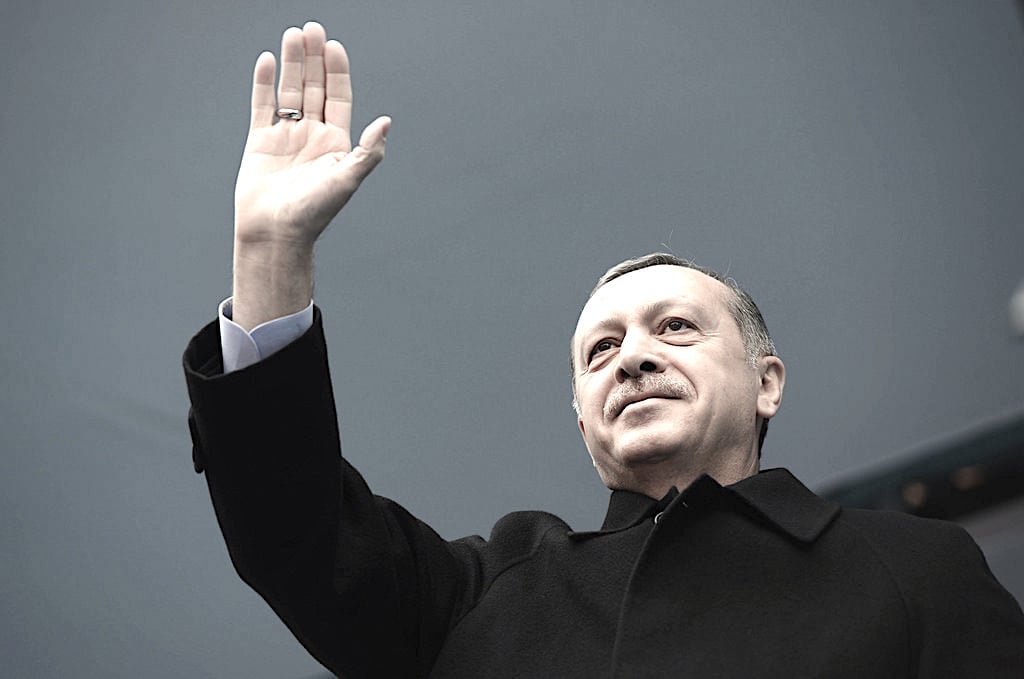
More than 10 years after the failed coup attempt and more than 13 years since the Gezi Park protests, the distance that Turkey has travelled along the authoritarian path is starkly clear. This direction is reversible. But the Turkish authorities have made clear that they do not intend to shift their path, warn Amnesty International.
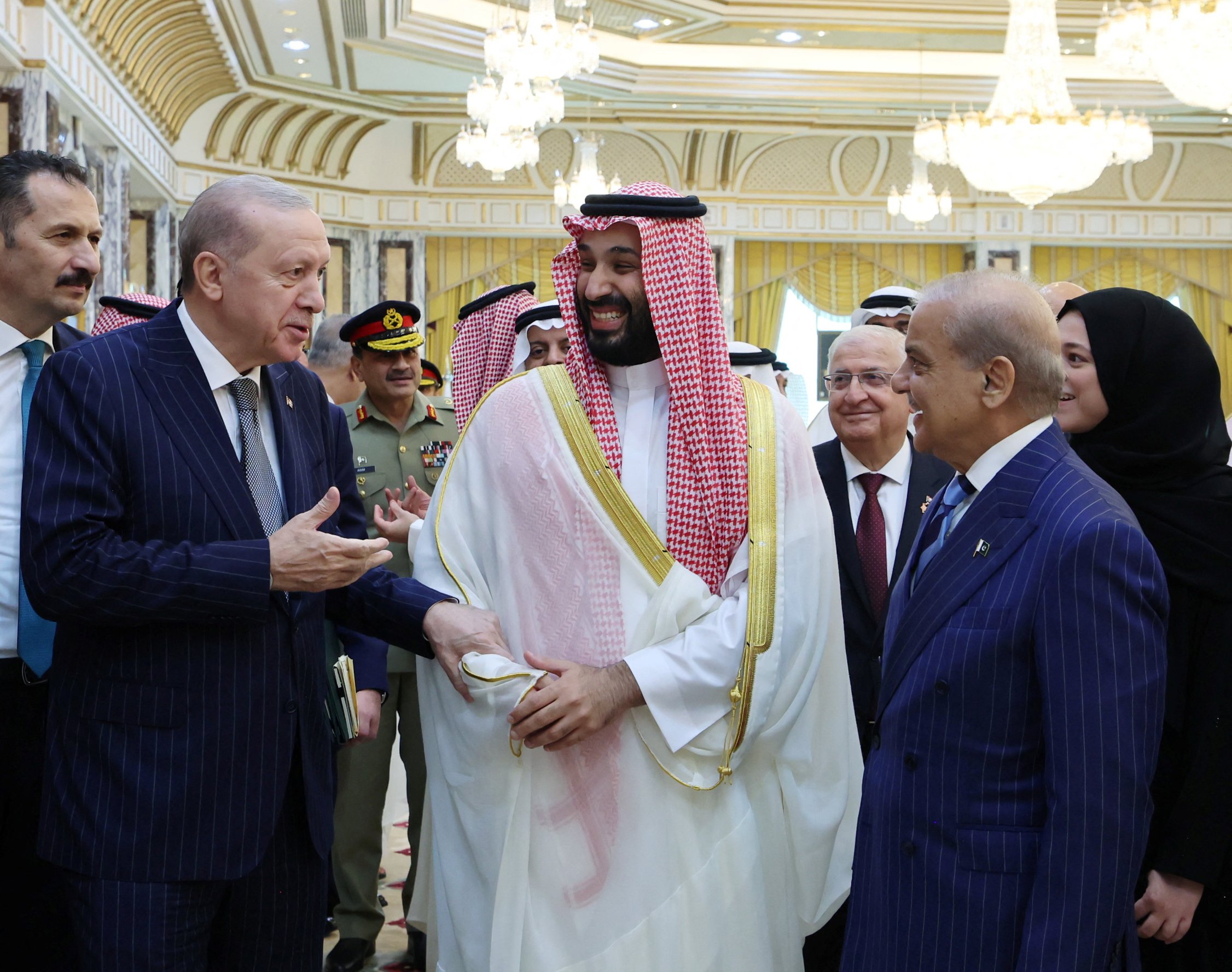
A new defence pact by Saudi Arabia, Turkey, and Pakistan promises to shield hundreds of millions of people from regional wars, but could just as easily drag their countries into a clash with Iran or Israel.
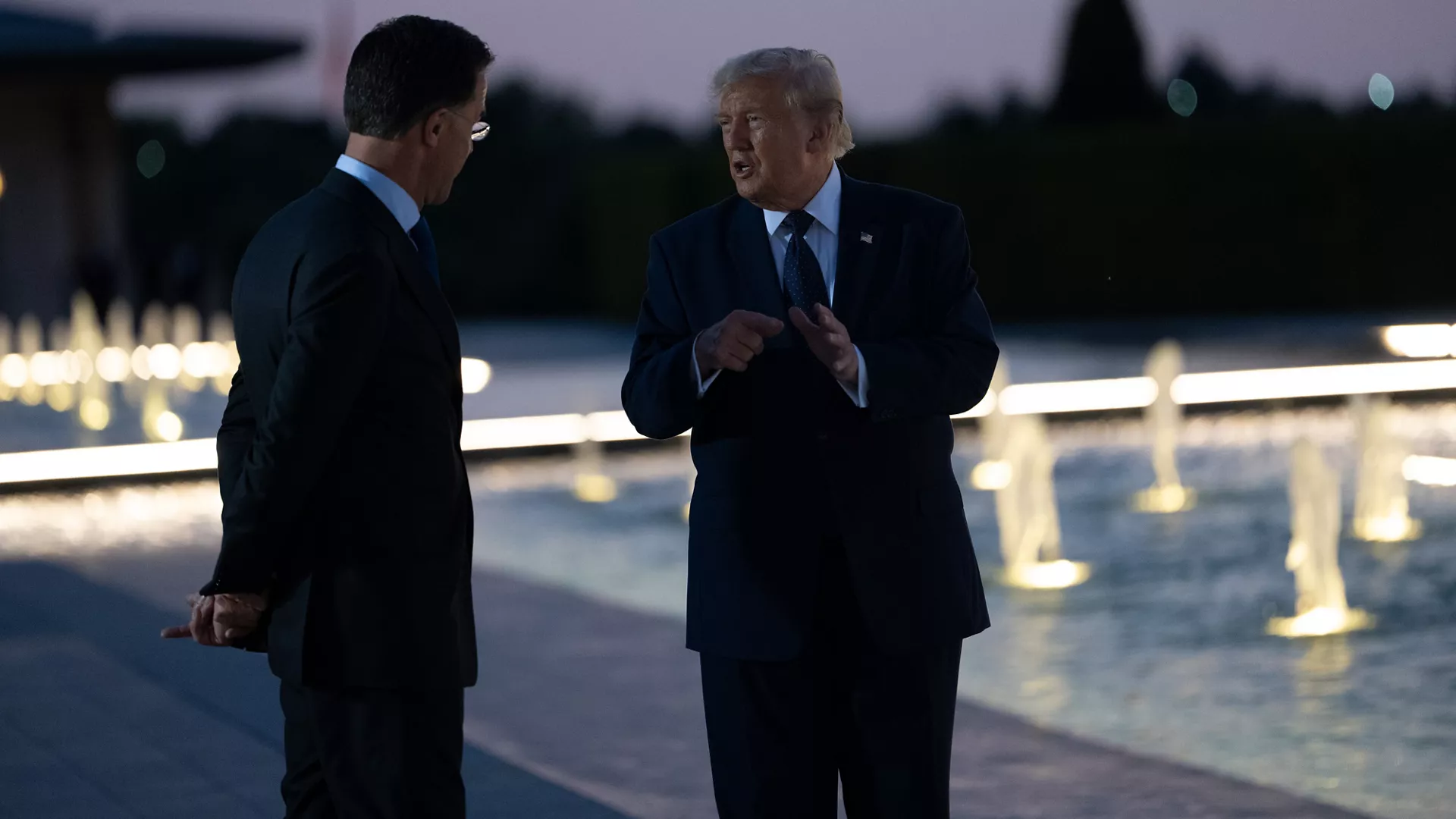
Nato pledged billions more for Ukraine and vowed to contain Russia and Iran. Although Donald Trump’s musings about quitting Europe militarily and strong‑arming allies over Greenland underlined how dependent the continent’s security still is on a single, volatile, leader.
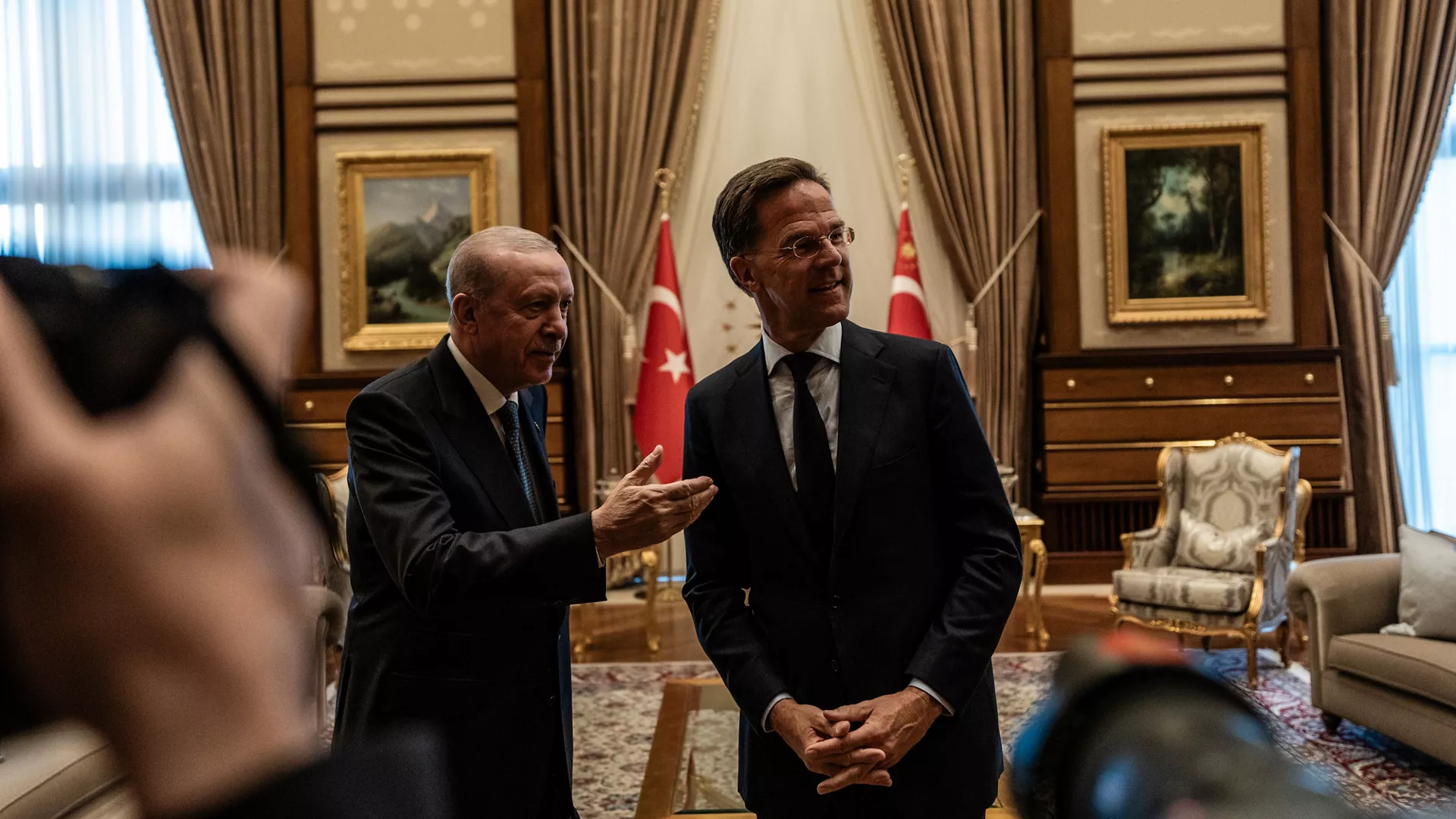
Recep Tayyip Erdoğan’s pivot back toward Nato has brought drones, missiles and Black Sea leverage to the West. For this price, Europe is quietly tolerating rigged party leaderships and pre‑summit mass arrests at home.
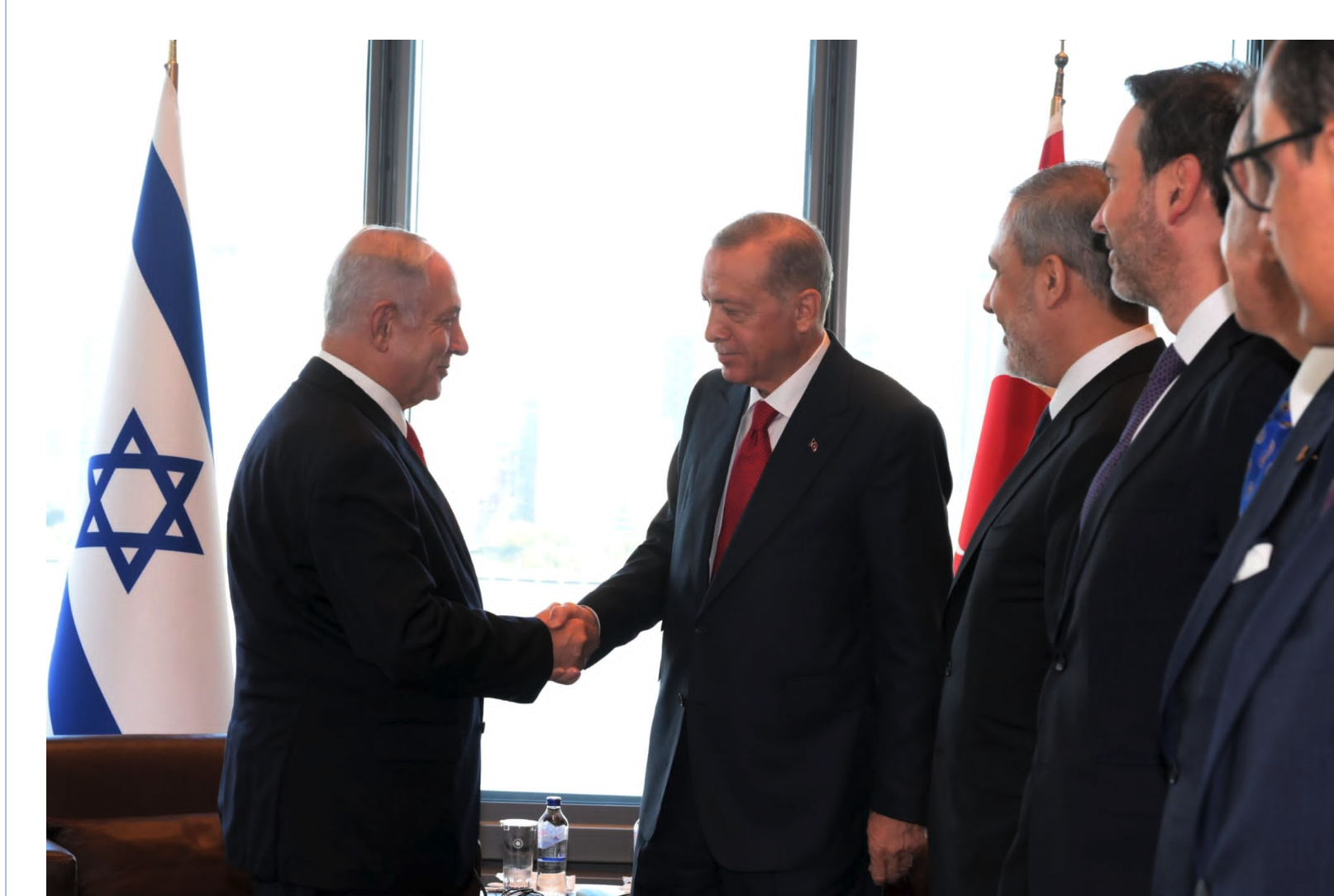
Europe does not need to break with Israel. But it needs to stop pretending that three settlers and a fight over oranges are a position while the border with Lebanon moves north and a Nato ally, Turkey, becomes the enemy. The two no longer want the same things, and a vote in Jerusalem is unlikely to change that.
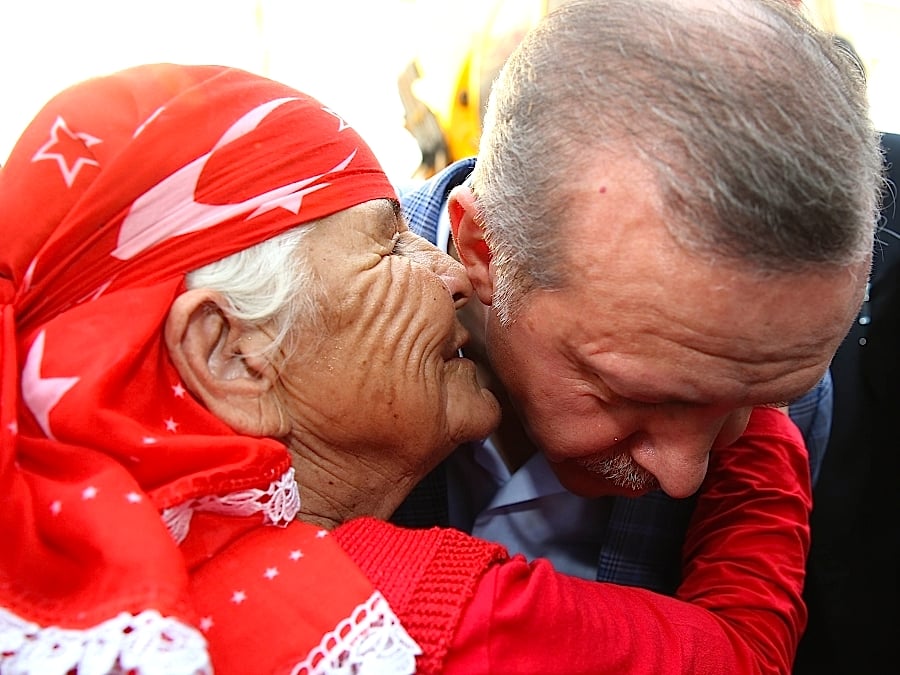
This is the full picture Turkey now offers the EU: a privatised border system that enriches the politically-connected, a Big Tech infrastructure that executes censorship on demand, and the rule of law being methodically hollowed out.

Most will see the maritime bill as legal codification of regional assertiveness, but it’s also a lot more: A way of legitimising Turkey’s geopolitical revisionism.
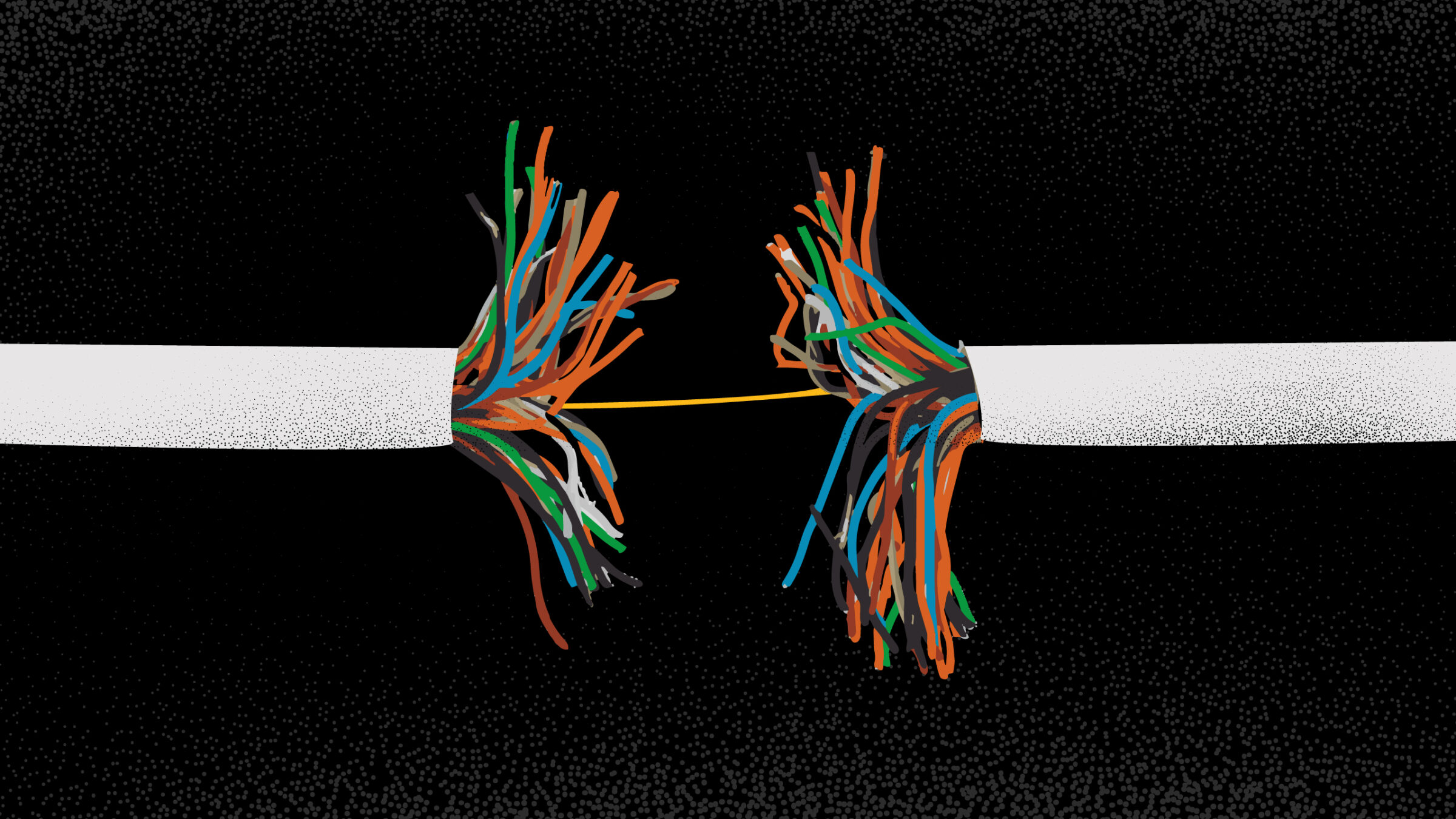
For journalists, access to the internet is central to reporting the news. When governments shut it down, reporters find ways around the blackout, but the work comes at a cost. Here are the experiences of journalists working in Iran, India, Ethiopia, Turkey, and Ukraine.
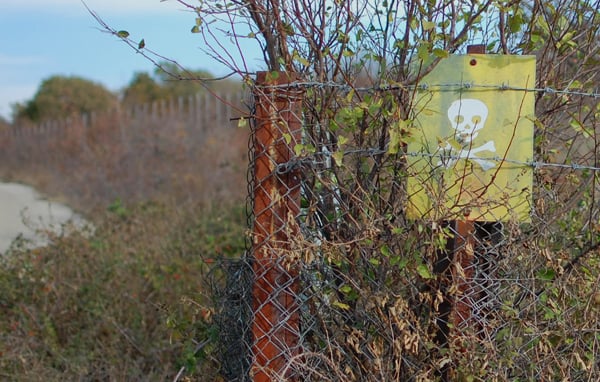
Operating under the supervision of three Greek officers, the Afghan unit robbed, stabbed, threatened rape, and beat 61 newly-arrived migrants in 2023, says the report.

“First of all, we want to hear from Israel and the United States of America when they want to achieve their military goals in Iran,” said Germany, while also calling for Israeli restraint in Lebanon.
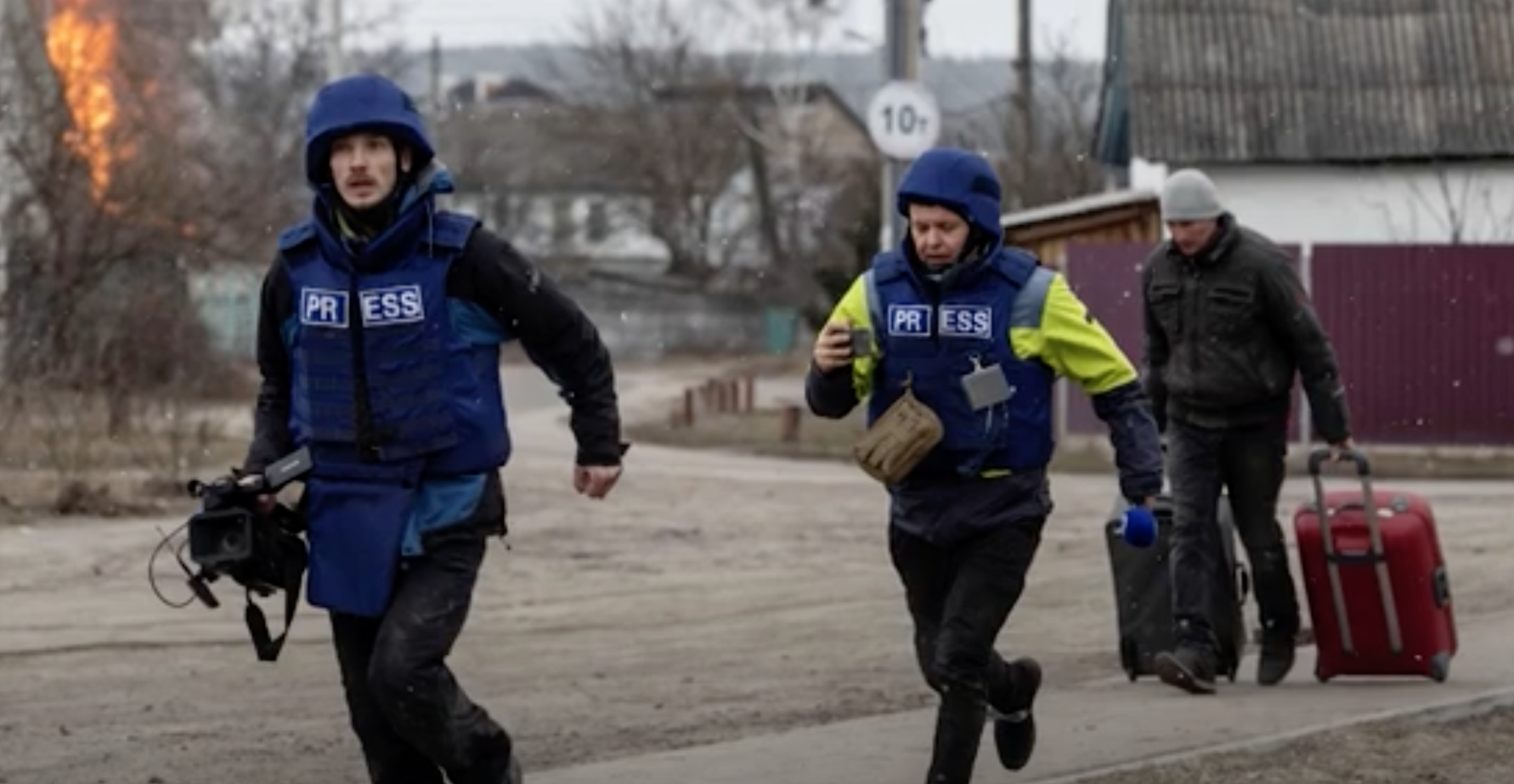
A decade after the Strasbourg-based Council of Europe launched its journalist safety platform, threats have surged: over 2,300 alerts in more than 40 countries, yet fewer than one-in-three receive government responses. Impunity persists, journalists face violence, and democracy pays the price. Responding to alerts, resolving cases and addressing systemic problems should be the rule, not the exception.
