
Download eMaps – Free Science & Education Mapping Tool for Mac
Overview
eMaps is a free, lightweight mapping application specially designed for macOS users who need a quick visual reference for scientific and educational data. Developed by Emanuele Traballoni, the program has been part of our catalog since 2012 and has already amassed over 12,000 downloads worldwide. Although the last recorded download was modest, the software remains a solid choice for teachers, students, and hobbyists who want a simple way to plot geographic information without the overhead of commercial GIS suites. The current version, 3.4.0, was last updated on September 17 2013 and runs on Mac OS X and earlier versions. Its intuitive interface, zero‑cost license, and straightforward installation process make eMaps an attractive option for anyone looking for a free science‑oriented mapping tool on the Mac platform.
Key Features of eMaps
- Simple point‑and‑click map creation – add locations with just a few mouse clicks.
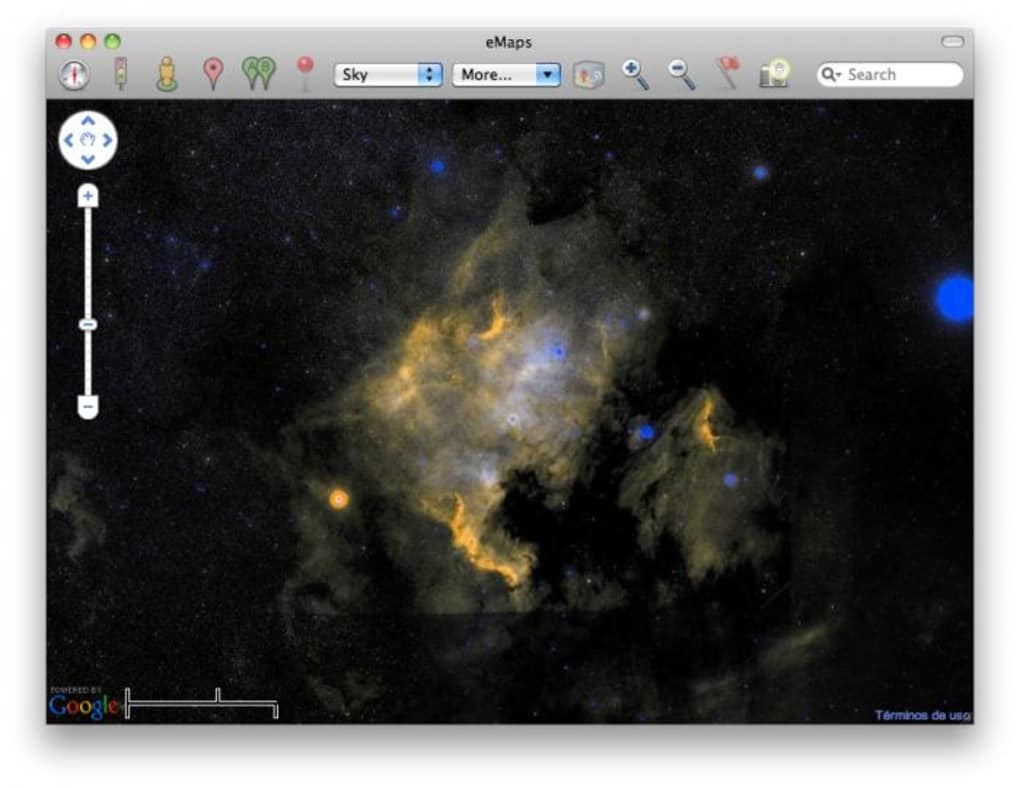
- Support for multiple map layers, including topographic, political, and satellite views.
- Customizable markers and labels, perfect for classroom presentations or research notes.
- Export options to PNG, PDF, and standard image formats for easy sharing.
- Built‑in measurement tools for calculating distances and areas directly on the map.
- Lightweight design – the installer is under 5 MB, ensuring a fast download and minimal disk usage.
- Fully offline operation – no internet connection required after installation.
- English language interface, making it accessible for a global audience.
- Free and open for personal, educational, or non‑commercial use.
Beyond these core capabilities, eMaps also integrates seamlessly with other macOS utilities. Users can drag‑and‑drop data files directly onto the map canvas, allowing rapid visualisation of CSV or plain‑text coordinate lists. The program’s minimal system requirements mean it runs smoothly even on older Mac hardware, a rare advantage in today’s resource‑hungry software landscape. For educators, the ability to generate printable maps in high resolution without a subscription fee can significantly reduce classroom costs. Likewise, researchers conducting field studies can quickly plot sample locations, annotate them with notes, and export the results for inclusion in reports or publications. Overall, eMaps delivers a focused feature set that aligns perfectly with its target audience—students, teachers, and science enthusiasts who need a no‑frills mapping solution on macOS.
Installation, Usage Instructions, and Compatibility
Step‑by‑Step Installation Guide
Installing eMaps on a Mac is intentionally straightforward. Follow these steps to get the application up and running:
- Visit the official download page and click the “Download eMaps 3.4.0” button.
- The file will be saved as
eMaps.dmg. Double‑click the DMG to mount it. - A window appears showing the eMaps icon and a shortcut to the
Applicationsfolder. Drag the eMaps icon onto theApplicationsshortcut. - macOS may warn you that the app is from an unidentified developer. Open System Preferences → Security & Privacy**, click “Open Anyway” to allow the installation.
- Once copied, eject the DMG and locate eMaps in your
/Applicationsfolder. Double‑click to launch.
Getting Started with the Interface
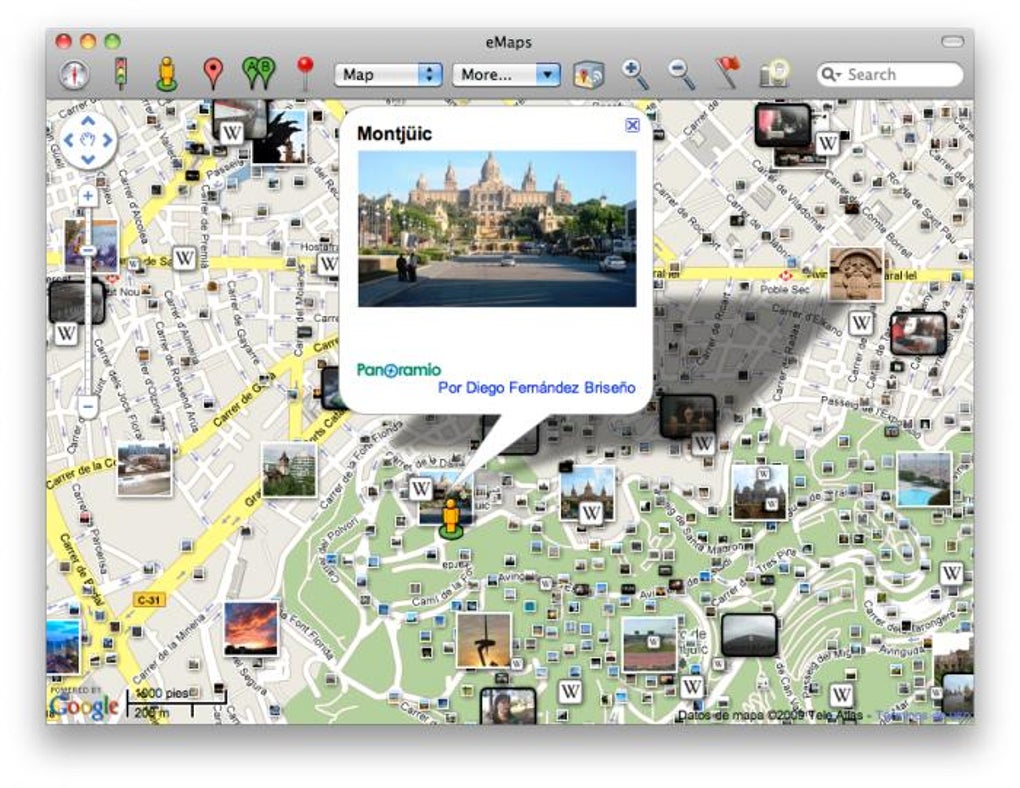
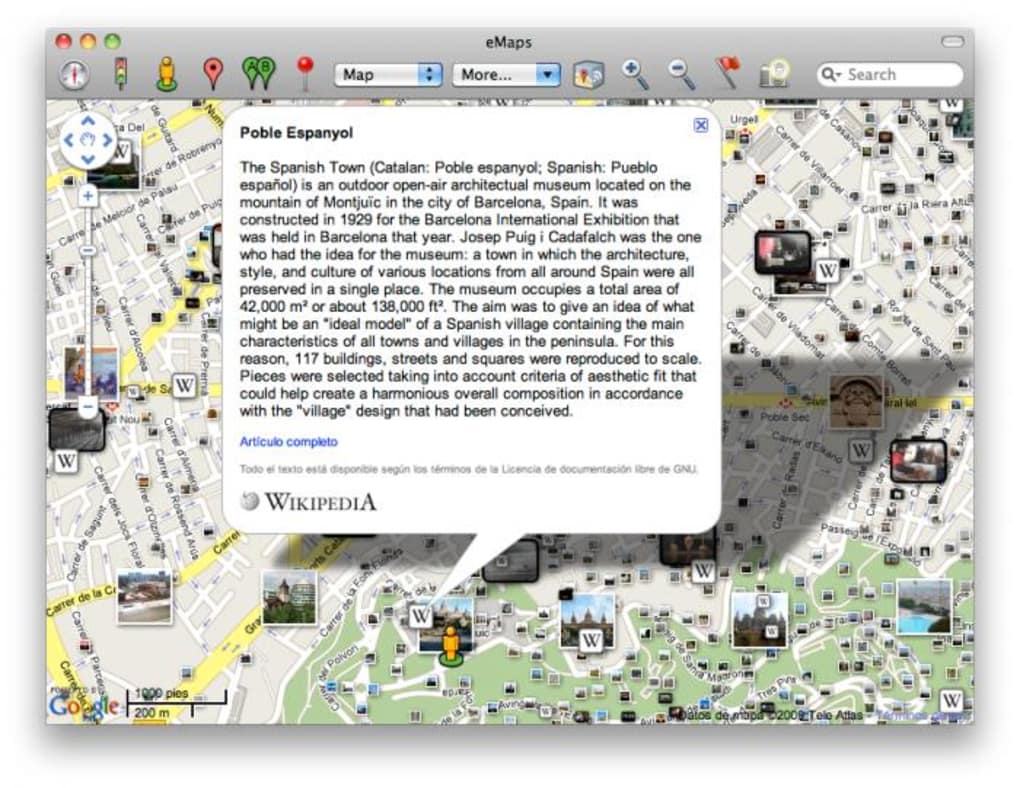
When eMaps launches, you’ll see a clean toolbar across the top, a map canvas in the center, and a side panel for layer selection. To create a new map, choose File → New Map. Select a base layer (e.g., “World Political”) from the dropdown. Click anywhere on the canvas to drop a marker; a dialog prompts you to add a label, description, and optional coordinates. Use the measurement tool (icon resembling a ruler) to click two points and obtain distance data, which is displayed in both kilometers and miles.
All edits are saved automatically, but you can also export the map via File → Export. Choose your desired format (PNG for web, PDF for print) and set the resolution. The exported file retains all markers and labels, making it ready for presentations or reports.
Compatibility and System Requirements
eMaps is compatible with macOS 10.5 (Leopard) through macOS 10.8 (Mountain Lion). The application runs comfortably on both Intel‑based Macs and the early Apple Silicon models using Rosetta 2 translation, although native Apple Silicon support was never officially added. Minimum hardware requirements include a 1 GHz processor, 512 MB RAM, and 20 MB of free disk space. Because eMaps does not rely on external libraries or internet services, it works offline and does not demand a high‑speed connection.
Users on newer macOS versions may encounter occasional UI scaling issues due to the age of the software, but the core functionality remains unaffected. If you experience display problems, adjusting the “Scaled” display setting in System Preferences usually resolves them. Overall, eMaps offers a reliable, low‑impact solution for anyone with a Mac capable of running legacy software.
Pros, Cons, and Frequently Asked Questions
Pros & Cons
- Pros
- Completely free – no hidden fees or subscription model.
- Lightweight and fast, even on older Macs.
- Simple, intuitive UI ideal for beginners.
- Offline operation – no internet required after installation.
- Multiple export formats for easy sharing.
- Cons
- Last update was in 2013, so modern macOS compatibility may be limited.
- No built‑in support for advanced GIS analysis.
- Lacks automatic map tile updates; layers are static.
- No native Apple Silicon binary – runs via Rosetta.
- Limited documentation and community support.
FAQ – Your eMaps Questions Answered
Is eMaps still safe to download in 2025?
Yes. The installer is hosted on a reputable software archive and has not been reported to contain malware. However, always verify the checksum if you can and keep your macOS security settings up to date.
Can I import my own coordinate data into eMaps?
Absolutely. Drag‑and‑drop a CSV or plain‑text file containing latitude/longitude pairs onto the map canvas. eMaps will prompt you to map the columns to latitude and longitude fields.
Does eMaps support high‑resolution printing?
Yes. When you export to PDF, you can choose a resolution up to 300 dpi, which is suitable for most academic posters and classroom handouts.
Will eMaps run on macOS Ventura or later?
The program was built for macOS 10.8 and earlier, so on Ventura you may need to run it in compatibility mode or use Rosetta 2 on Apple Silicon. Basic map creation works, but some UI elements may appear slightly out of scale.
Is there any way to get support or updates?
The original developer no longer provides official updates. Community forums and archived documentation are your best sources for troubleshooting.
Final Verdict and Call to Action
eMaps stands out as a niche yet valuable tool for macOS users who need a no‑cost, easy‑to‑use mapping application for educational or scientific purposes. Its lightweight footprint, offline capability, and straightforward interface make it an excellent entry point for students and teachers who lack access to professional GIS software. While the lack of recent updates and advanced features may deter power users, the core functionality remains solid for everyday map creation and basic spatial analysis. If you’re looking for a free, secure way to generate printable maps on a Mac without dealing with subscription fees, eMaps is still worth a download.
Ready to give eMaps a try? Click the button below to download the latest version and start mapping your data today.