
Download Image For Windows With IFD GUI – Free Backup & Cloud Storage Tool for Windows
Overview & First Impressions
Image For Windows With IFD GUI is a trial‑version backup and cloud‑storage utility developed by TeraByte, Inc. Tailored specifically for Windows 7 and newer operating systems, this application aims to simplify the process of creating disk images, managing incremental file differences (IFD), and securely storing them either locally or in the cloud. The current build, version 3.63, is multilingual, offering English, Spanish, and German interfaces, which broadens its appeal across European markets. Although Softonic’s editorial team has not yet conducted a hands‑on test, the software’s positioning within the “Backup & Cloud Storage” category suggests a focus on reliability, data integrity, and ease of use. The trial version provides a risk‑free opportunity for users to explore core functionalities before deciding on a full license.
From a security standpoint, the program claims to employ industry‑standard encryption during both image creation and cloud transmission, addressing common concerns about data leakage. The user‑friendly graphical interface (GUI) is designed with a modern layout that guides users through step‑by‑step wizards, reducing the learning curve typically associated with imaging tools. Moreover, the inclusion of IFD (Incremental File Difference) technology promises faster backup cycles by only storing changes since the last image, which can significantly reduce storage costs and network bandwidth usage.
Overall, Image For Windows With IFD GUI positions itself as a versatile solution for home users, small businesses, and IT professionals who need a reliable way to protect critical data without investing in expensive enterprise‑grade software. Its trial nature encourages experimentation, while the multilingual support and Windows‑centric design make it accessible to a broad audience. In the sections that follow, we’ll dive deeper into its feature set, installation process, system compatibility, and weigh the pros and cons to help you decide whether this tool fits your backup strategy.
Key Features and Functional Benefits
- Disk Imaging Engine: Creates full‑system images of partitions or entire drives, enabling quick restoration after hardware failures.
- IFD (Incremental File Difference) Technology: Captures only the data that has changed since the last backup, drastically reducing storage space and backup time.
- Cloud Integration: Seamlessly uploads images to popular cloud providers, with built‑in encryption for data‑in‑transit and at rest.
- Multilingual Interface: Available in English, Spanish, and German, allowing users from multiple regions to navigate the software with ease.
- Scheduled Backups: Configurable timers let you automate daily, weekly, or monthly backup cycles, ensuring data protection without manual intervention.
- Verification & Integrity Checks: Post‑backup validation confirms that images are not corrupted, giving peace of mind before relying on restoration.
- Bootable Rescue Media Builder: Generates a bootable USB or ISO that can restore images even when the primary OS fails to start.
- Resource‑Efficient Operation: Runs in the background with minimal CPU and RAM impact, suitable for older Windows 7 machines.
- Version History Management: Retains multiple image versions, allowing you to roll back to specific points in time.
- Comprehensive Reporting: Detailed logs and visual dashboards help you monitor backup health and storage utilization.
Each of these features is designed to address a specific pain point in the backup workflow. For instance, the IFD technology not only saves storage but also reduces network load when synchronizing with cloud services—a critical factor for users with limited bandwidth. The built‑in verification process minimizes the risk of discovering corrupted backups only when it’s too late to recover data. Additionally, the bootable rescue media ensures that you can recover systems even in catastrophic scenarios where the OS is completely unbootable.
The multilingual support reflects TeraByte’s commitment to a global user base, eliminating language barriers that often hinder software adoption. The scheduled backup capability aligns with best practices in data protection, encouraging users to maintain regular snapshots without forgetting to initiate manual backups. Finally, the comprehensive reporting tools provide transparency, helping administrators quickly spot issues like failed uploads or insufficient storage space before they become critical.
Installation, Usage & Compatibility
Step‑by‑Step Installation Guide
- Download the installer from the official TeraByte website or a trusted software portal.
- Run the
.exefile and follow the on‑screen wizard. The installer will prompt you to accept the license agreement and choose an installation directory (default isC:\Program Files\ImageIFDGUI). - When asked, select the language pack (English, Spanish, or German) that matches your preference.
- Complete the installation and restart your computer if prompted. The application will automatically register a system service that handles scheduled backups.
- Launch the program from the Start menu or desktop shortcut. The first launch will trigger a brief system check to verify hardware compatibility.
Getting Started with the GUI
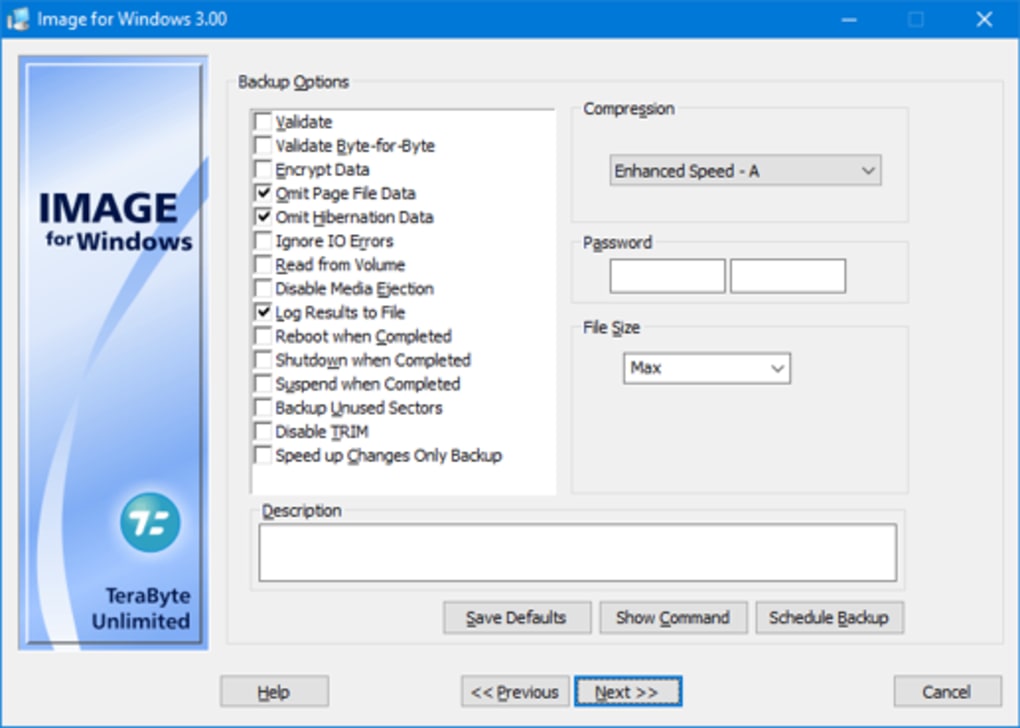
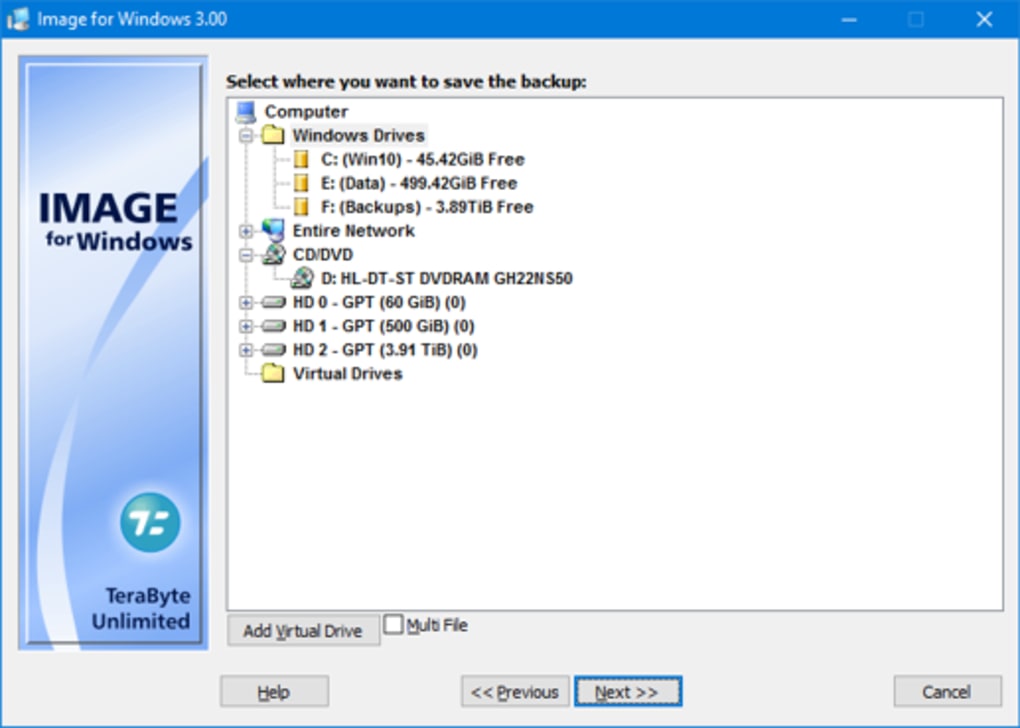
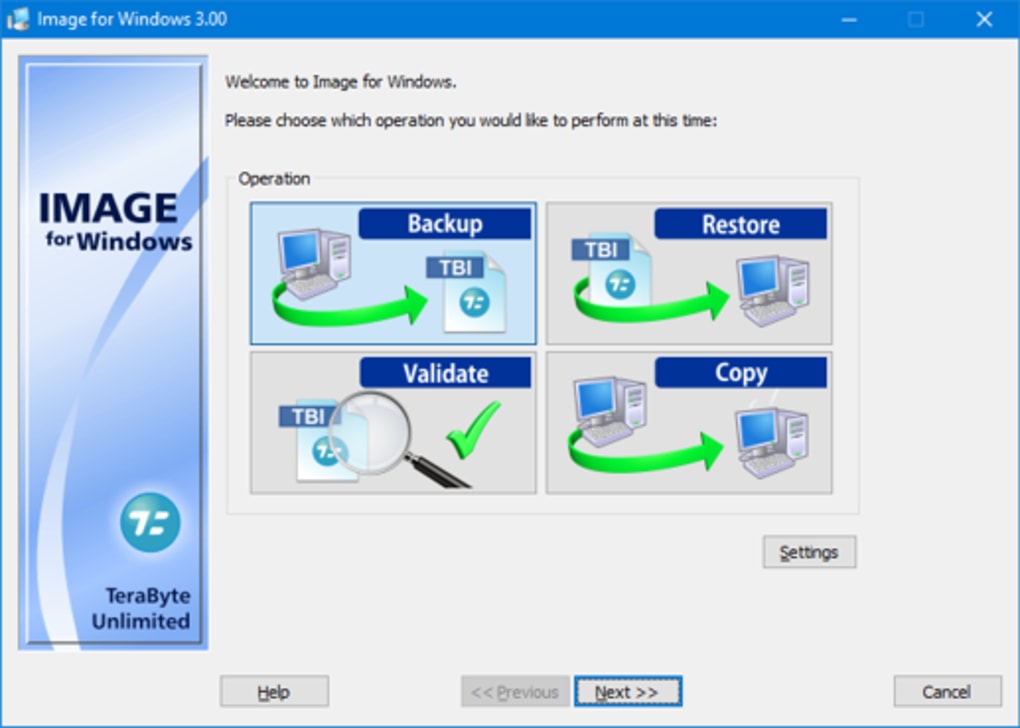
Upon opening Image For Windows With IFD GUI, you’ll be greeted by a dashboard that summarises recent backup activity. Use the “Create New Image” wizard to select the source drive, destination (local folder or cloud), and whether to enable IFD mode. Advanced users can customise compression levels and encryption keys. After confirming settings, the backup process runs in the background, with progress bars and estimated completion times displayed in real time.
System Requirements and Operating System Support
The software officially supports Windows 7, Windows 8/8.1, Windows 10, and Windows 11 (both 32‑bit and 64‑bit architectures). Minimum hardware requirements include a 1 GHz processor, 1 GB RAM (2 GB recommended for large images), and at least 500 MB of free disk space for the application itself. For optimal performance, especially when handling multi‑gigabyte images or frequent incremental backups, a solid‑state drive (SSD) is advisable.
Because the application interacts directly with storage devices, administrative privileges are required during installation and when creating bootable rescue media. The trial version imposes a limit on the number of backup cycles (typically three full images) but otherwise provides full access to all features, allowing you to evaluate performance and usability before purchasing the full license.
Network requirements depend on your chosen cloud provider; a stable broadband connection with at least 5 Mbps upload speed is recommended for smooth synchronization. The software also supports proxy configurations for corporate environments, ensuring compatibility with most enterprise network policies.
Pros, Cons, Frequently Asked Questions & Final Verdict
Pros & Cons Summary
- Pros:
- Robust IFD technology reduces backup time and storage costs.
- Built‑in cloud integration with end‑to‑end encryption.
- Multilingual interface broadens user accessibility.
- Low system resource footprint, suitable for older PCs.
- Comprehensive reporting and verification tools.
- Free trial enables risk‑free evaluation.
- Cons:
- Trial version limits the number of full backups.
- No native support for macOS, Linux, or mobile platforms.
- Advanced scheduling options are hidden behind the full license.
- Initial setup may be intimidating for non‑technical users.
FAQ – Answers to Common Queries
Can I use Image For Windows With IFD GUI to back up external drives?
Yes. The application detects all connected storage devices, including USB flash drives and external HDDs/SSDs, allowing you to create images of these drives just like internal partitions.
Is the cloud storage service included or do I need a separate subscription?
Image For Windows With IFD GUI supports popular third‑party cloud providers (e.g., OneDrive, Google Drive, Dropbox). You must have an active account with the chosen provider; the software does not include its own storage quota.
How secure is the encryption used during backup?
The program uses AES‑256 encryption for both local image files and data transmitted to the cloud, meeting industry standards for data protection.
Can I schedule automatic backups after the trial expires?
Automatic scheduling is fully functional in the trial, but the limitation is on the number of full backup cycles. To remove this restriction, you’ll need to purchase the full license.
What happens if a backup fails due to network issues?
The software logs the failure and automatically retries the upload based on user‑defined retry intervals. You’ll receive a notification on the dashboard if the issue persists.
Final Verdict and Call‑to‑Action
Image For Windows With IFD GUI delivers a solid blend of traditional disk imaging and modern cloud backup capabilities, all wrapped in a user‑friendly Windows GUI. Its standout feature—Incremental File Difference—offers tangible savings in both time and storage, making it an attractive choice for anyone serious about data protection. While the trial’s backup‑count limitation and lack of cross‑platform support may deter some, the overall value proposition remains strong for Windows‑centric environments.
If you’re looking for a reliable, secure, and relatively lightweight backup solution that integrates seamlessly with your existing cloud accounts, give the trial a download today. Should the software meet your expectations, consider upgrading to the full version to unlock unlimited backups and advanced scheduling.
Ready to safeguard your data? Download the trial now and start creating protected images in minutes.