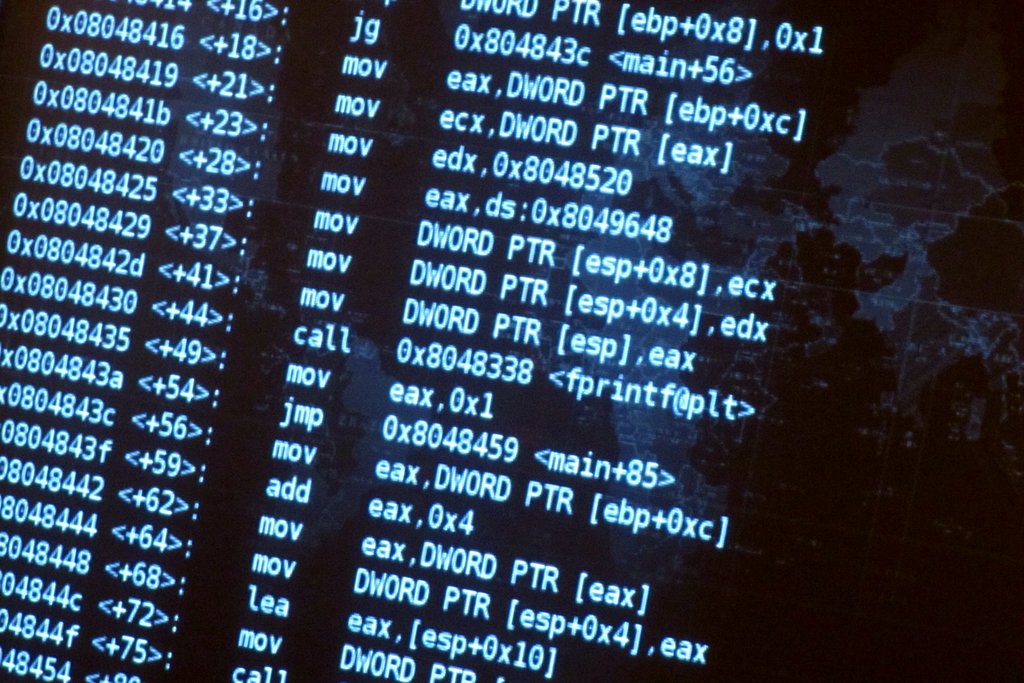
Machine language is a collection of computer instructions that are specific to a particular hardware environment. Machine languages aren't particularly human readable. In other words, they are designed for efficiency and don't resemble a natural language such as English. It is possible for a human to read machine code but it consists of a long series of hardware operations that aren't typically interesting to humans, including programmers who most often work in source code. The following are examples of machine code:
INPUT
Read input from an input device and stores it in a register.
OUTPUT
Write the value of a register to an output device.
ADD
Add the values of two registers and store the result in another register.
SUB
Subtract the values of two registers and store the result in another register.
LOAD
Load a value from memory into a register.
STORE
Store the value of a register into memory.
JUMP
Move to a specific memory address.
The examples above may seem quite simple but keep in mind that a relatively simple program can have millions of lines of machine code.
Overview: Machine Language
Type
Information Technology
Definition
A language of computer instructions that is understood by a particular category of hardware.
Cookies help us deliver our services. You have choices regarding these cookies. Please visit our privacy policy, cookie policy and consent tool to learn more.
Copyright 2002-2026 Simplicable. All rights reserved. This material may not be published, broadcast, rewritten, redistributed or translated. Report violations here.