A backlog is a list of strategies, activities or tasks that haven't been completed. This can be a running list whereby high priority items are completed and removed. In this case, low priority items may remain on the backlog forever. This can be a problem or it can be a productivity technique whereby it is considered a good thing that low priority items of questionable value can be parked indefinitely. The following are common examples of a backlog.
A product backlog allows everyone in a business unit to contribute ideas for improving a product or service. A prioritization process determines what actually gets into the product. This technique allows ideas to flow while only spending resources on the best ideas available at a point in time. The product backlog is occasionally refined with stale ideas being dropped.
Programs are typically expected to accept requirements from stakeholders and plan to implement them as projects. This typically occurs on an ongoing basis. As such, a backlog structure is useful for holding requirements for a process of prioritization and planning whereby high value requirements are grouped into projects.
Task Backlog
A backlog can be implemented by an individual or team as a time management technique. Individuals have a limited amount of time and often need to prioritize tasks. As with products and programs, it may be expected that not everything on the backlog will be completed.
Processes
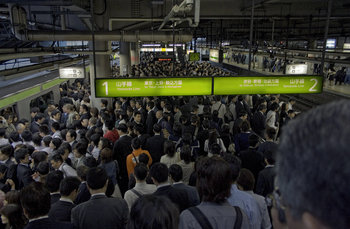
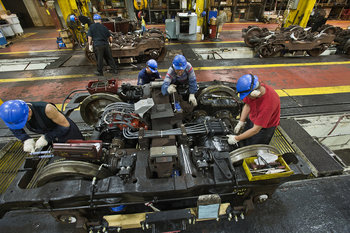
Business processes that are based on a backlog of data such as customer requests or transactions. In the context of processes, a backlog is often a negative thing that indicates the process is behind and needs to catch up. For example, customer service inquires that pile up after a firm has a service failure. A growing backlog with work that never gets completed can indicate a broken business process that requires restructuring or more resources.
Cookies help us deliver our services. You have choices regarding these cookies. Please visit our privacy policy, cookie policy and consent tool to learn more.
Copyright 2002-2026 Simplicable. All rights reserved. This material may not be published, broadcast, rewritten, redistributed or translated. Report violations here.