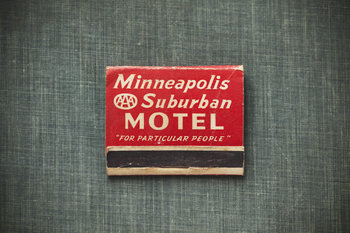
Things are tangible, non-living entities that aren't too big. Tangible refers to something with a physical presence such that you can touch it. Things are also non-living such that any form of life including people, animals, insects and microorganisms aren't things. The third criteria is that things aren't too large. For example, you wouldn't typically call a planet or a bridge a thing. The following are common examples of things.
Bags
Bathtubs
Blankets
Boats
Books
Boxes
Cameras
Chairs
Clocks
Clothing
Combs
Computers
Cosmetics
Desks
Diamonds
Flashlights
Furniture
Garbage
Gems
Glasses
Globes
Gold
Hangers
Hats
Home Appliances
Lightbulbs
Napkins
Paper
Pencils
Pens
Phones
Robots
Rocks
Rulers
Satellites
Shoes
Sinks
Skis
Soap
Sporting Goods
Staplers
Surfboards
Tables
Tea
Tools
Toothbrushes
Towels
Umbrellas
Watches
Wood
You can refer to life forms as a "living thing" but not as a "thing." Things have a solid form. As such, gases such as air or liquids such as water aren't things.The word things is very commonly used to describe non-specific intangible entities such as the atmosphere in a room. For example, "things were getting weird."Things is often used as a catch-all word. For example, if you listed "things that are fast" you might include people and animals in the list. This is not suggesting that people are things but is just informal language whereby things is used as synonym of "entity."
People, Places and Things
It is common for dated English materials to ask students to sort nouns, including animals into the categories "people, places and things" whereby animals are "things." This relates to 19th century English whereby it was previously more common to refer to animals such as a dog as a thing. This is increasingly rare in modern English such that this categorization has been updated to "people, places, things and animals."
Counterexamples
The following are specifically not things.
Animals
Gases
Insects
Intangible entities such as an emotion
Large entities such as a planet
Liquids
Microorganisms
Plants
Overview: Things
Type
Language
Definition (1)
Tangible, solid, non-living entities that aren't too big.
Definition (2)
An inanimate physical object as distinct from a living being.
Definition (3)
Non-specific intangible entities such as the atmosphere in a room.
Exceptions
Confusingly, the word thing is commonly used as informal synonym of "entity." In this context, anything can be a thing.
Cookies help us deliver our services. You have choices regarding these cookies. Please visit our privacy policy, cookie policy and consent tool to learn more.
Copyright 2002-2026 Simplicable. All rights reserved. This material may not be published, broadcast, rewritten, redistributed or translated. Report violations here.