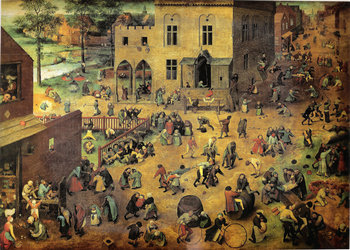
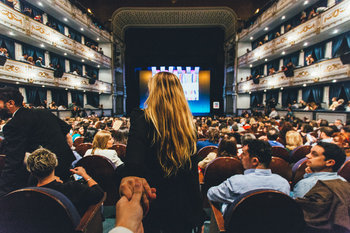
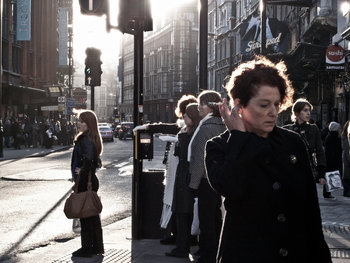
Complex things include features of nature, systems, chaotic processes, self-organizing processes, human behavior and technology. Complexity is the amount of information that it would take to describe something precisely and accurately. Although people think of technology as being complex, natural things are typically far more complex as are systems such as ecosystems or societies. It could be argued that a single human cell is far more complex than anything designed by humans. The following are common complex things.
Artificial intelligence
Biotechnology
Cells
Chaos – the ability of small parts to change the future of complex systems
Cities
Climate
Communication systems
Communities
Cryptography
Cultures
DNA
Economies
Ecosystems
Flocking and swarming behavior
Fractals such as snowflakes
Galaxies
Healthcare systems
Human behavior
Human cells
Languages
Nanotechnology
Politics
Quantum computing
Robotics
Societies
Software
Space stations
Spacecraft
Stock markets
The Universe
The elephant brain
The human brain
The human eye
The internet
Transportation networks
Weather systems
The African elephant has around three times more neurons in its brain than humans. However, 97.5% of the neurons in the elephant brain are found in the cerebellum. Humans have around three times as many neurons in the cerebral cortex.Generally speaking, natural things are more complex than current technology. For example, the largest software reaches 100s of millions of lines of code ranking it amongst the most complex things created by humans. The number of synapses in the human brain is around 100 trillion. Human biology and biology in general is very complex. For example, human cells contain billions of identifiable parts and intricate systems that are likely more complex than any single technology.
The complexity of systems far exceeds the complexity of objects. For example, the human brain is often cited as the most complex known object. However, it would be ridiculous to say that the Universe is second most complex. The Universe is a system that comprises everything known and is far more complex than your brain. Likewise, any social or natural system is likely to be more complex than a brain. A conversation between two people involves two brains such that any social behavior is arguably more complex than the brain.
Artificial intelligence may potentially compete with human intelligence someday as it can use entire data centers and isn't a single object but rather a system.Things that emerge are more complex than things that are planned by humans. For example, a city that emerges with the individual decisions of landowners will be far more complex than a city with strict planning, zoning and standards.
Climate systems, weather systems and ecosystems involve mindboggling complexity. Due to chaos, it is probably impossible to predict the weather far in advance with any certainty.Chaos is complexity as it is generally impossible to fully predict or fully model systems under its influence.Entropy is the tendency for all things to move in one direction towards disorder. In other words, all things age. Disorder is actually complexity as it is takes far more complexity to document than order. As such, the third law of thermodynamics, that is often interpreted to mean that the disorder of systems increases over time, also implies that complexity increases with time. This appears to be the case, as the Universe requires ever more information to document as it expands and ages.
47 Shares
Complexity
This is the complete list of articles we have written about complexity.
Cookies help us deliver our services. You have choices regarding these cookies. Please visit our privacy policy, cookie policy and consent tool to learn more.
Copyright 2002-2026 Simplicable. All rights reserved. This material may not be published, broadcast, rewritten, redistributed or translated. Report violations here.