How to fix Nerd Neck 🪄
By popular demand, here's a thread of tips for addressing this increasingly common issue.
Stedman Halliday
6,694 posts
designing for wellness + connection ⚡ prev: head of prod + sys @frontiertower · Eat Blueprint (acq. @bryan_johnson) · ux @Amazon · faculty @CalArts
- Replying to @jaubreyYT and @eigenrobotYour honor, I plead the fifth [dimension]
- fantastic things are happening on reddit rn #TheRehearsal
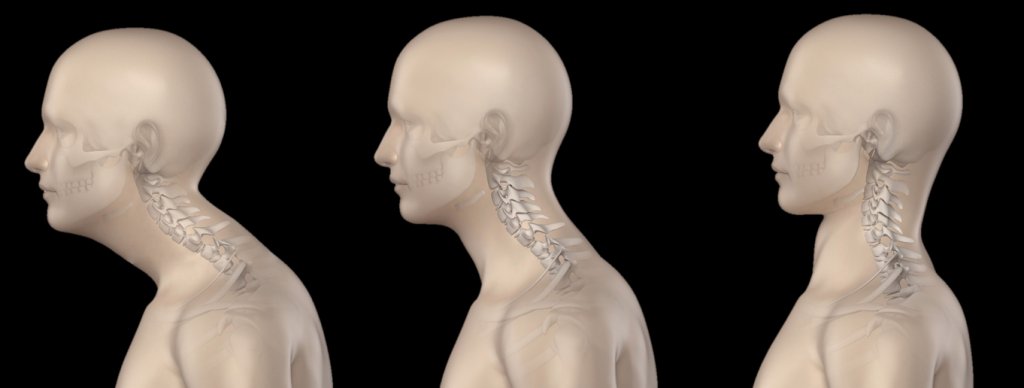
- Replying to @stedmanhallidayFirst, what is Nerd Neck? It's the latest nickname for chronic forward head posture. Text neck, tech neck, and similar variants may also refer to repetitive strain injuries caused by this chronic posture.
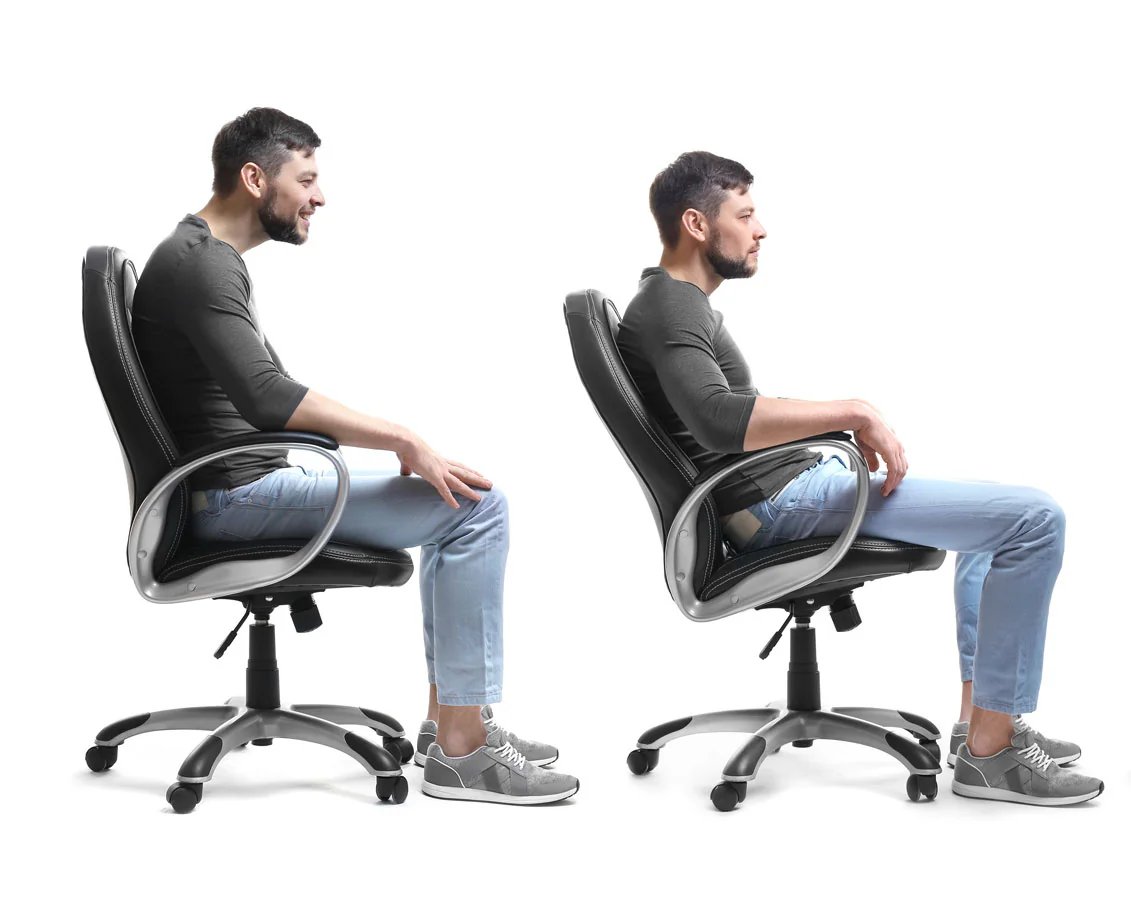
- Replying to @stedmanhallidayRemoving ever-present back support can allow the spine and its local musculature to better support the head and neck. Standing desks, ergonomic stools, breaks, desk treadmills, etc. are your allies. Sitting a bit is fine, just don't stay parked all day everyday!
- Replying to @stedmanhallidayBefore correction, it's a good idea to give attention to prevention by attacking root causes. Elevate your screens to eye level so your head is resting naturally atop your neck while you look forward at them.Dragonn erg stool. Will force better posture, dynamic adjustment, and breaks. You should also elevate your monitor to eye level to avoid neck strain.
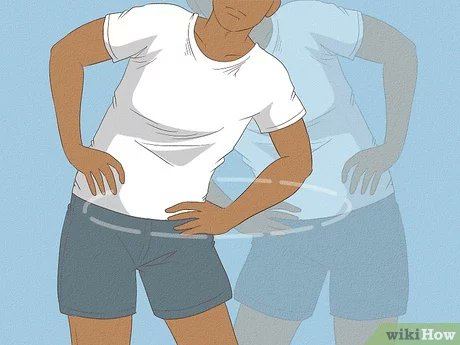
- Replying to @stedmanhallidayMore to say about the lower body complements to these issues in a future thread, but for now, check out @EmilybyNight's advice for your hips!How to Unlock Your Hips 101 [Reminder: everyone has a different range of motion, hips hold a lot of emotion, so go gently and have FUN]
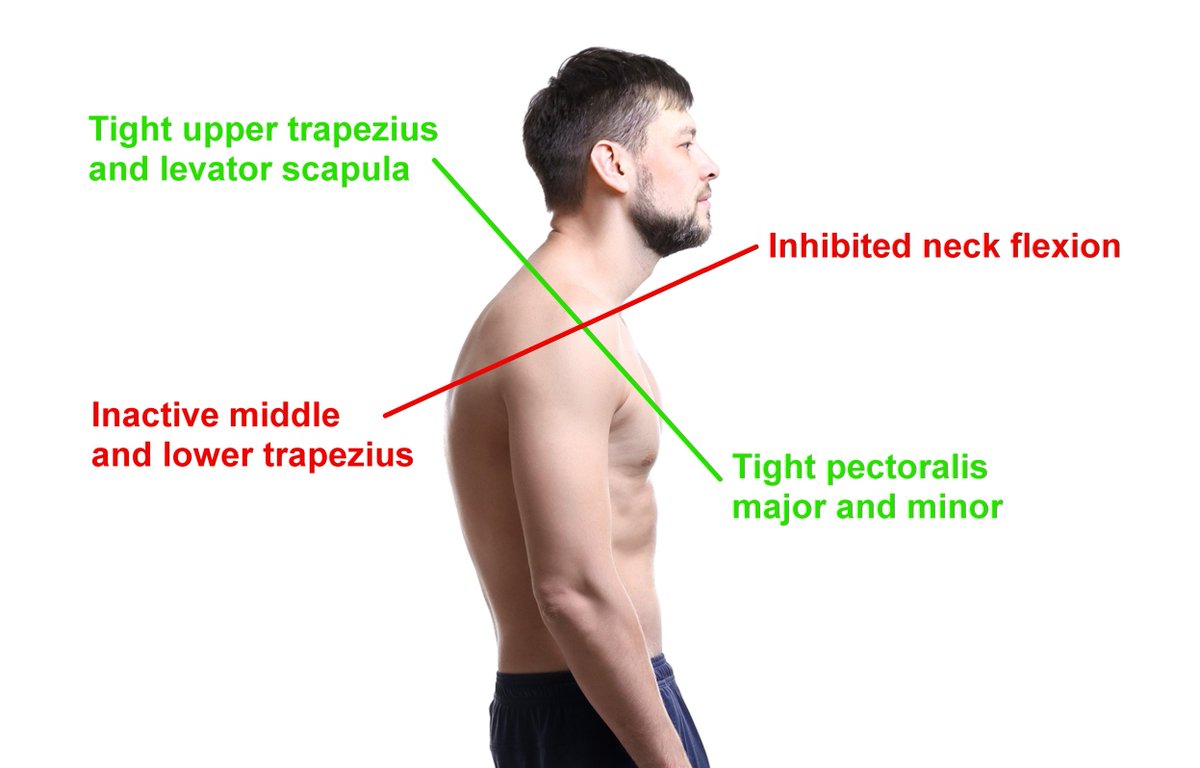
- Replying to @stedmanhallidayCorrective exercise specialists call nerd neck "upper crossed syndrome." That name comes from how underactive (red) and overactive (green) muscles line up in a cross-like pattern to produce the forward head position when observed in profile.
- Replying to @stedmanhallidayAs the names suggest, it's increasingly caused by frequent sedentary activities that tend to take up ever larger chunks of many modern-day lifestyles: Sitting, reading, texting, looking down at computer screens, etc.
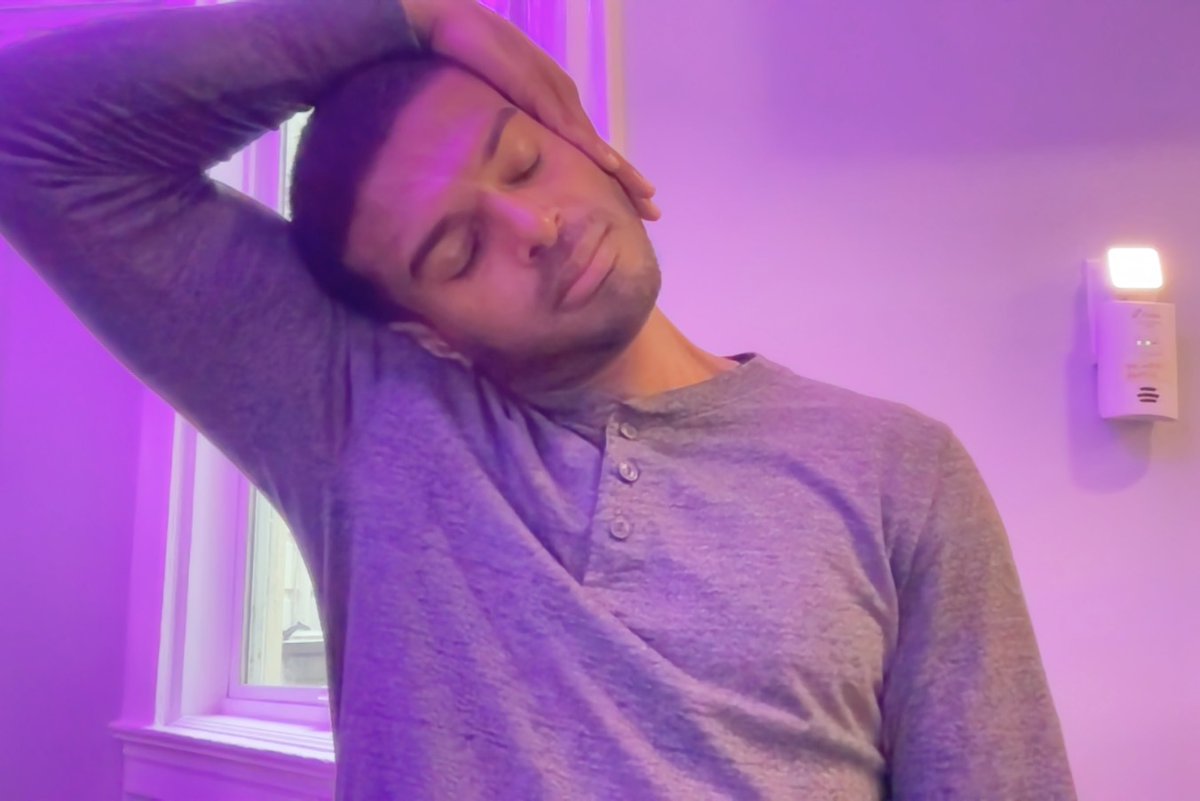
- Replying to @stedmanhallidayContinue to relieve tension in tight areas by stretching them. Start with an upper trapezius stretch: sit on one hand, tilt your head to the opposite side, and gently pull your head toward your shoulder with the other hand. Hold for 20-30 seconds.
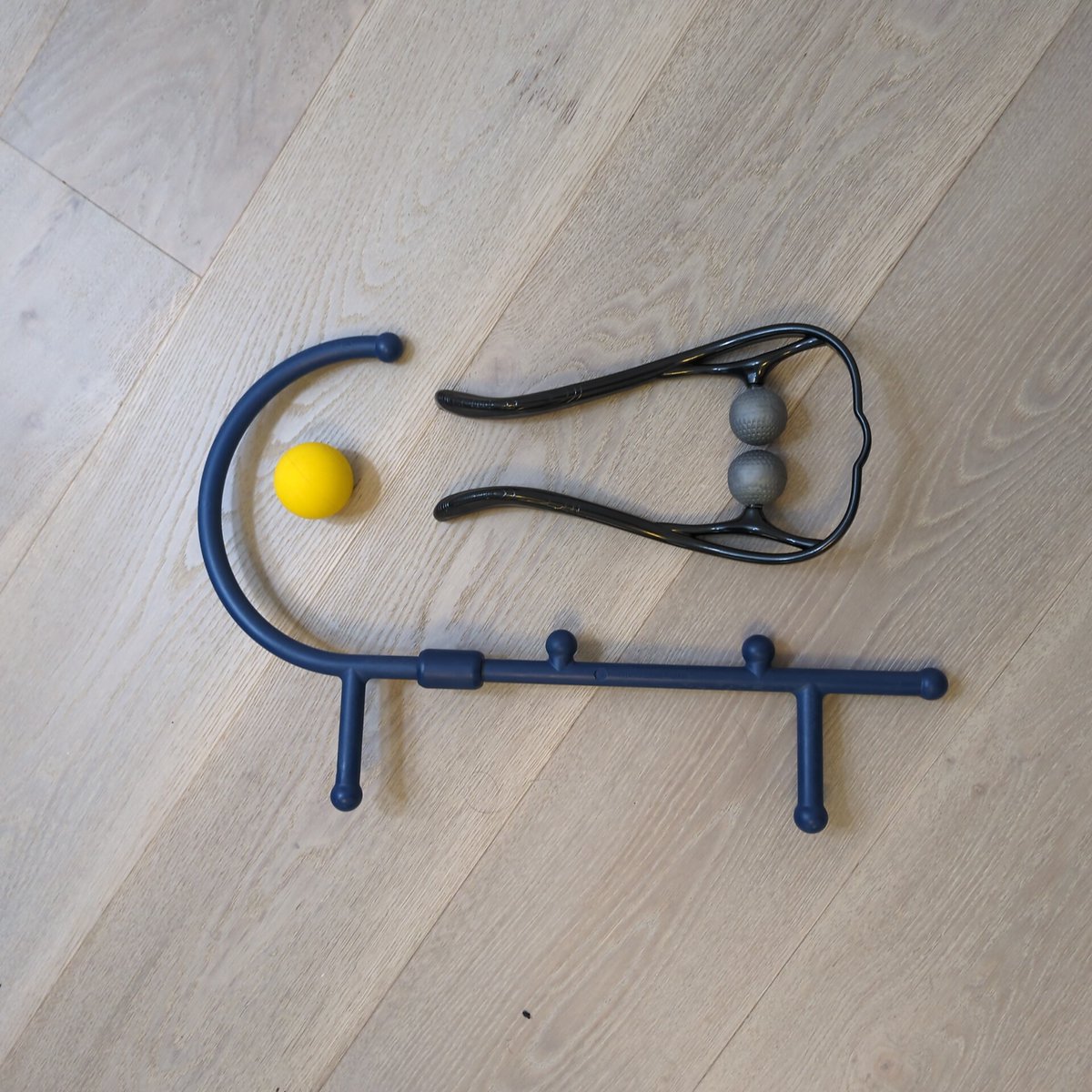
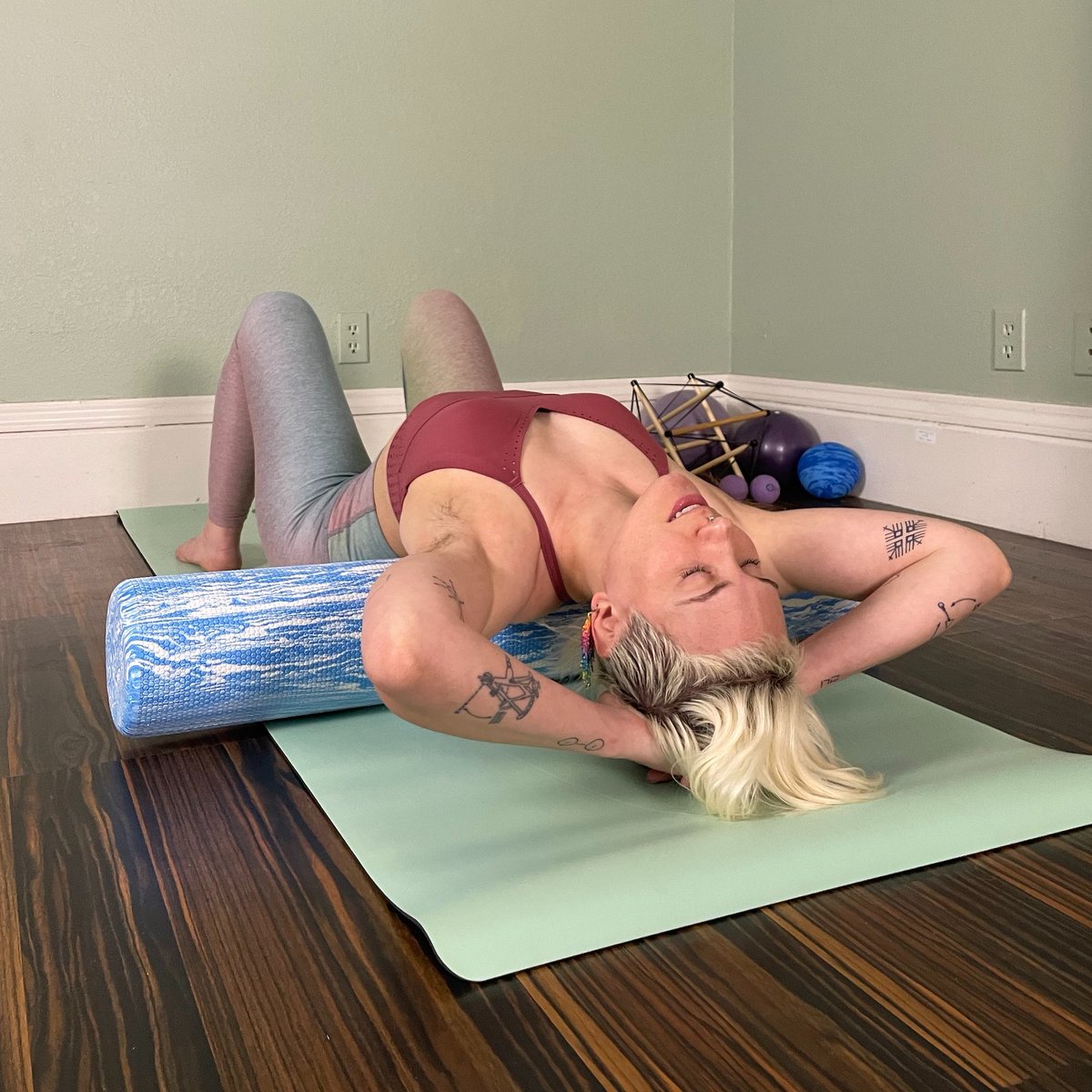
- Replying to @stedmanhallidayStep one of correction is to remove some tension from tight areas (green above). Foam rolling, massage guns, and other myofascial release activities are great for this.Replying to @stedmanhalliday2. Have some thingies to smash and knead yourself with throughout the day so you don't turn into a sore potate
- Replying to @stedmanhallidayGonna plug @embryosophy for good tweets and workshops on myofascial release techniques and more 👑 Check her site for free videos too!on Sunday 10/8 i'm offering a livestream somatic foam rolling & myofascial release workshop with an upper body focus we'll start with a fascial anatomy lesson, then dive in to remobilizing places where our habits of bodymind have gotten a little stuck link in bio, musings below
- Replying to @stedmanhallidayDoor frame or wall stretches are great for tight pectoral muscles. For the pectoralis major, just hold your hand straight out against the frame and walk through, letting it fall back. The pec minor stretch is similar, but just bend your elbow and place your forearm on the wall.
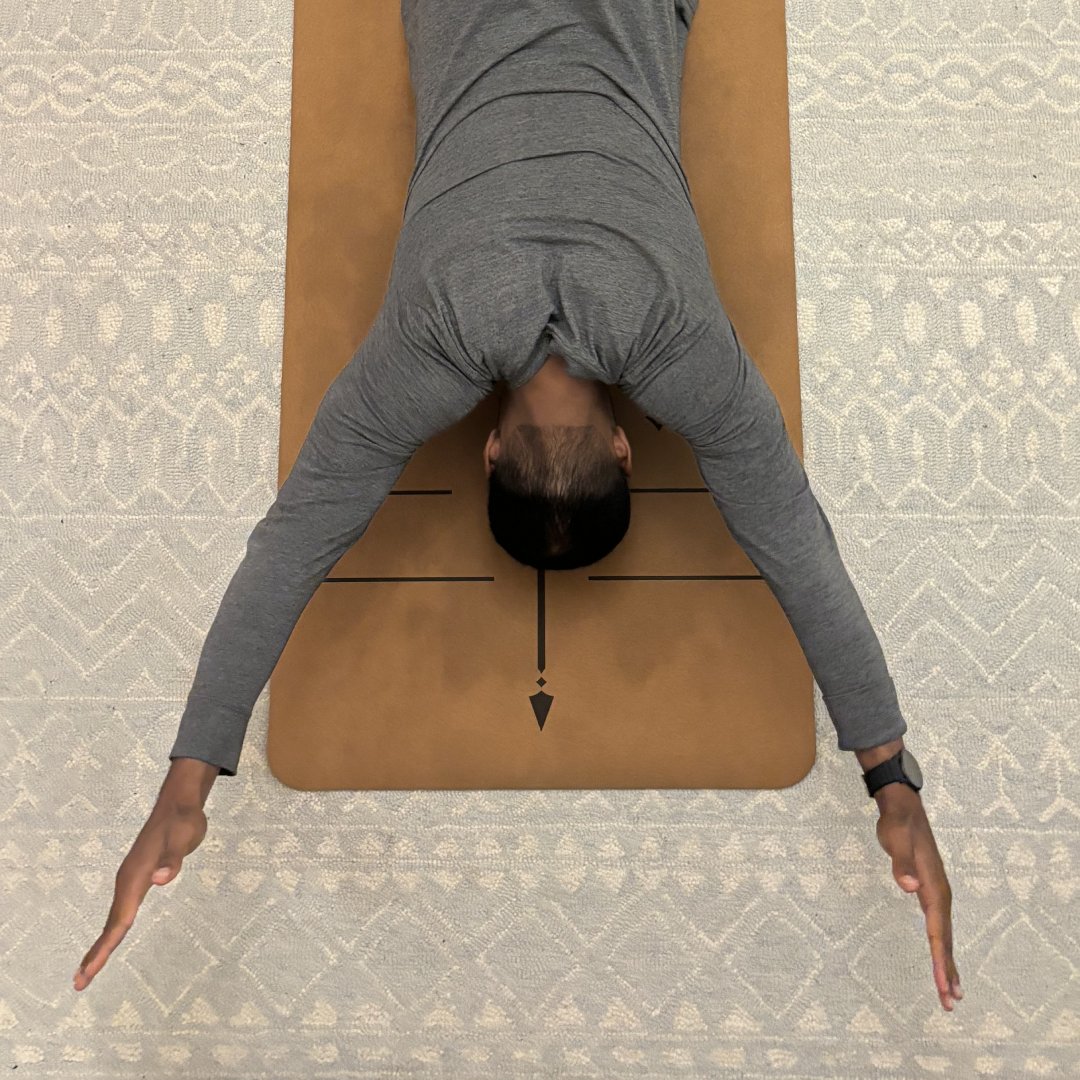
- Replying to @stedmanhallidayIf you've got nothing to pull, you can try retraction while prone. Lie down on your stomach and raise your arms in the shape of a Y, T, or Ls and hold for 20–30 seconds. You can also do this while elevated on a bench or yoga ball.