
Download OpenBoard – Free Virtual Whiteboard Software for Education
Overview
OpenBoard is a free, open‑source virtual whiteboard that reimagines the traditional classroom chalkboard for the digital age. Built with educators in mind, the platform works seamlessly on Windows, macOS, Linux, Android, and iOS, allowing teachers to project lessons, annotate live content, and integrate multimedia resources without the constraints of physical space. Whether you are delivering an in‑person lecture, a hybrid session, or a fully online workshop, OpenBoard provides a responsive canvas that can be controlled with a mouse, stylus, or touch gestures. The software’s intuitive interface makes it easy to switch between drawing tools, insert images, videos, PDFs, and audio clips, and even browse the web without leaving the whiteboard environment. This tight integration reduces the need to juggle multiple applications, keeping students’ attention focused on the material you are presenting. Because it is open‑source, OpenBoard benefits from a community of contributors who continuously improve stability, add new features, and ensure that the application remains secure and up‑to‑date. The lack of licensing fees makes it an attractive option for schools, universities, and independent educators looking to stretch their budgets while delivering high‑quality instruction.
Key Features that Empower Modern Teaching
- Multi‑Platform Support: Runs natively on Windows 10/11, macOS 10.13+, Linux distributions, Android tablets, and iOS devices.
- Rich Media Integration: Insert images, videos (MP4, WebM), audio files, and PDF documents directly onto the canvas.
- Extensive Drawing Toolkit: A variety of brushes, pens, highlighters, and shape tools with customizable colors and opacity.
- Built‑In Web Browser: Access any website, online resource, or cloud‑based document without leaving the whiteboard.
- Annotation Layers: Add text boxes, sticky notes, mathematical symbols, and LaTeX equations for precise explanations.
- Projector Friendly: Optimized for external displays and interactive projectors, with full‑screen mode and adjustable resolution.
- Export Options: Save sessions as PNG, PDF, or OpenBoard’s native .board format for later editing or sharing.
- Keyboard Shortcuts: Speed up workflow with customizable hotkeys for tool selection, undo/redo, and screen capture.
- Open‑Source Transparency: Source code available on GitHub, encouraging community contributions and security audits.
- Free Updates: Regular releases that add features, improve performance, and fix bugs at no cost.
These capabilities are designed to reduce the friction between lesson planning and delivery. For example, a teacher can pull up a YouTube video, pause it, draw annotations directly on the playback frame, and then continue the lesson without switching to a separate video editor. The built‑in browser means that any online quiz or interactive simulation can be launched instantly, while the export tools let you archive a complete session for students who missed the class. The combination of rich media support and precise annotation tools makes OpenBoard a versatile hub for both visual learners and those who thrive on textual explanations.
Installation & Usage Guide – From Download to First Class
Step‑by‑Step Installation
Getting OpenBoard up and running is straightforward. Follow these steps for a smooth installation on your preferred operating system:
- Visit the official website: Navigate to openboard.ch and click the “Download” button that matches your OS (Windows, macOS, Linux, Android, iOS).
- Windows: Download the
.exeinstaller, run it, and follow the wizard prompts. Accept the license agreement, choose the installation folder, and click “Install”. After completion, launch OpenBoard from the Start menu. - macOS: Download the
.dmgfile, open it, and drag the OpenBoard icon into the Applications folder. Open the app; if macOS warns about an unidentified developer, right‑click the app, select “Open”, and confirm. - Linux: Choose the appropriate package for your distribution (Debian/Ubuntu
.debor Fedora.rpm). Install via your package manager, e.g.,sudo dpkg -i openboard.deborsudo rpm -i openboard.rpm. Alternatively, use the Snap store:sudo snap install openboard. - Android & iOS: Search “OpenBoard” in the Google Play Store or Apple App Store, tap “Install”, and wait for the download to finish.
First‑Time Configuration
When you launch OpenBoard for the first time, you’ll be greeted by a setup wizard that helps you tailor the environment to your teaching style. You can select a default canvas size, choose a preferred language, and enable the built‑in browser. The wizard also prompts you to import any existing .board files, ensuring you can continue work from previous sessions.
Using the Interface in Real Time
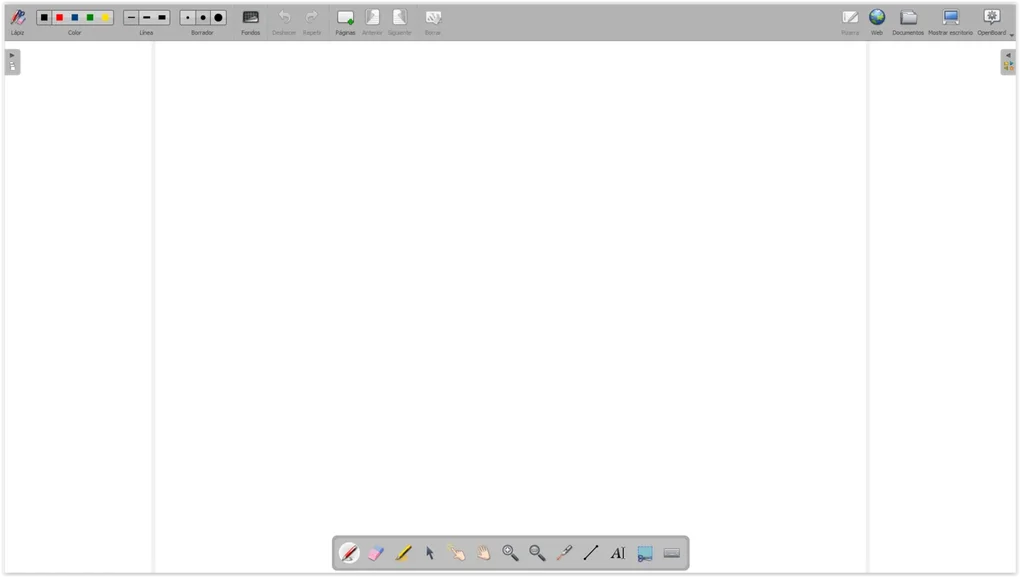
Once inside the main workspace, the toolbar runs along the top of the screen, offering quick access to drawing tools, media insertion, and screen capture. To start a lesson, simply connect your projector or external monitor, switch to full‑screen mode (F11 on Windows/Linux, ⌘+Control+F on macOS), and begin drawing. If you need to annotate a PDF, click the “Import” button, locate the file, and the document will appear as a new page in your board. You can then use the highlighter or pen to underline key passages. For live web browsing, click the browser icon, type a URL, and the web page loads directly within a resizable pane. All changes are saved automatically to a temporary session file, but it’s best practice to export the board at the end of each class to preserve a permanent copy.
OpenBoard also supports remote collaboration through screen sharing platforms like Zoom or Microsoft Teams. By sharing your screen, students can watch you draw in real time, and they can even request control if you enable remote input, turning a lecture into an interactive workshop.
Compatibility, Pros & Cons, and Frequently Asked Questions
Operating System Compatibility
OpenBoard is designed to run on the following platforms:
- Windows 10 and later (64‑bit)
- macOS 10.13 High Sierra and later (Intel and Apple Silicon)
- Popular Linux distributions (Ubuntu, Debian, Fedora, openSUSE)
- Android 6.0+ tablets and smartphones
- iOS 13+ iPads and iPhones
Pros and Cons
-
Pros
- Completely free and open‑source – no hidden fees.
- Cross‑platform support ensures consistency across devices.
- Rich media handling allows seamless inclusion of videos, audio, and PDFs.
- Built‑in browser reduces the need for multiple applications.
- Highly customizable toolbar and shortcut system.
- Export options for sharing lessons with students.
- Active community providing regular updates and security patches.
-
Cons
- Interface may feel basic compared to commercial alternatives like Microsoft Whiteboard.
- Occasional performance lag on older hardware, especially with high‑resolution videos.
- Lack of built‑in cloud sync – users must rely on external storage services.
- No native collaborative editing (multiple users editing the same board simultaneously).
- Limited official tutorials; users often depend on community‑generated guides.
FAQ – Quick Answers for Teachers and Administrators
Is OpenBoard truly free for commercial use?
Yes. OpenBoard is released under the GNU GPL v3 license, which allows anyone—including schools, universities, and private companies—to use, modify, and distribute the software without any cost.
Can I save my whiteboard sessions to the cloud?
OpenBoard does not include built‑in cloud storage, but you can manually upload exported .board, PDF, or PNG files to services like Google Drive, OneDrive, or Dropbox for easy sharing and backup.
What hardware is recommended for smooth performance?
For Windows and macOS, a dual‑core processor (Intel i5 or equivalent), 4 GB RAM, and integrated graphics are sufficient for basic use. For media‑rich lessons (HD video, large PDFs), a quad‑core CPU, 8 GB RAM, and a dedicated GPU will provide a smoother experience.
Does OpenBoard support stylus input on tablets?
Absolutely. The Android and iOS versions are optimized for pen input, recognizing pressure sensitivity and tilt on most major stylus models, such as the Apple Pencil, Samsung S Pen, and Wacom pens.
How often are updates released and how are they installed?
The development team publishes minor updates roughly every 4‑6 weeks and major releases 1‑2 times a year. On Windows and macOS, the installer will automatically detect a newer version and prompt you to upgrade. Linux users can update via their package manager or Snap store, while mobile users receive updates through the respective app stores.
Conclusion & Call to Action
OpenBoard stands out as a robust, cost‑effective solution for educators who need a flexible digital canvas that works across a wide range of devices. Its open‑source nature ensures that the software remains transparent, secure, and adaptable to the evolving needs of modern classrooms. While it may lack some of the polished aesthetics of premium competitors, its feature set—media integration, built‑in browsing, extensive drawing tools, and straightforward export options—delivers real value for teachers striving to make lessons more interactive and engaging.
If you are looking for a reliable virtual whiteboard that won’t break your budget, offers cross‑platform compatibility, and receives regular community‑driven updates, OpenBoard is a compelling choice. Download the installer today, explore the feature set, and transform the way you present content to your students. For institutions, consider contributing to the project’s development or sponsoring a feature roadmap to help shape the next generation of digital teaching tools.
Ready to elevate your classroom experience? Download OpenBoard now and start creating dynamic, multimedia‑rich lessons that keep learners engaged from day one.
Overall Rating: 4.5 / 5
Pros: Free, cross‑platform, rich media support, open‑source transparency.
Cons: No native real‑time collaboration, basic UI compared to paid tools.