
Download Simon – Free Website & Server Monitoring Tool
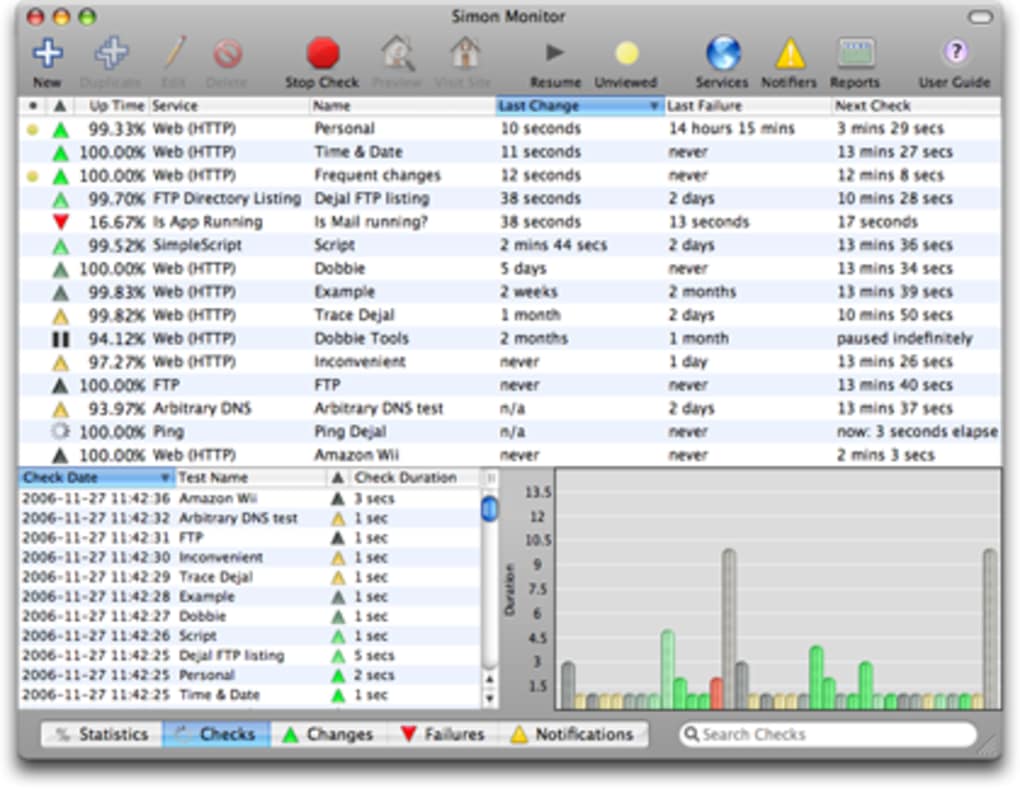
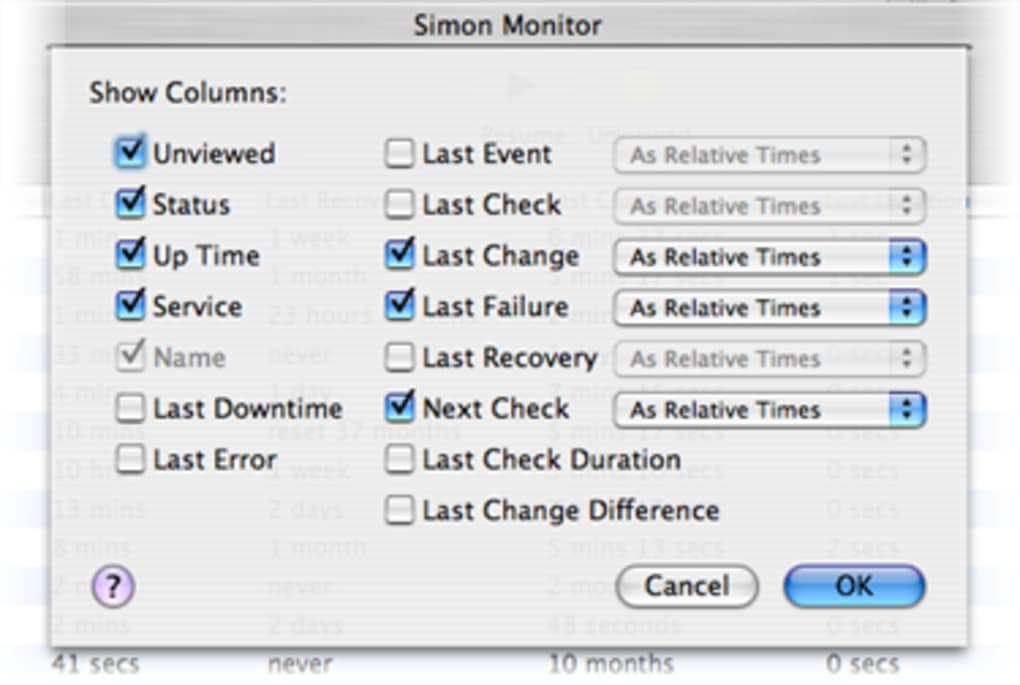
Simon is a powerful, free monitoring utility designed to keep an eye on websites, FTP servers, and other network resources. Whether you are a webmaster, a system administrator, or simply a user who wants to know when a favorite site changes, Simon offers real‑time alerts via e‑mail, sound, speech synthesis, or custom scripts. The program continuously checks the availability and content of your defined URLs, logging uptime percentages, failure intervals, and the next scheduled check. While the interface may appear intimidating at first glance, Simon’s modular design lets you start with a handful of sites and scale up to full‑blown network monitoring without ever leaving the Monitor window. The tool is especially valuable when RSS feeds are unavailable or when you need granular control over check intervals, authentication methods, and notification channels. In short, Simon bridges the gap between simple “site‑watch” utilities and enterprise‑grade monitoring suites, providing a free, secure, and highly configurable solution for anyone who needs to stay informed about the health of their web assets.
Key Features That Make Simon Stand Out
- Multi‑Protocol Support: Monitor HTTP/HTTPS websites, FTP servers, and custom TCP ports.
- Flexible Notification System: Receive alerts via e‑mail, pop‑up dialogs, sound files, speech synthesis, or execute external scripts.
- Granular Scheduling: Define individual check intervals per resource, ranging from seconds to days.
- Detailed Statistics: Track uptime percentages, mean time between failures, and time since last outage.
- Authentication Options: Built‑in support for basic, digest, and NTLM authentication for protected resources.
- Change Detection: Compare page content hashes to identify modifications, perfect for tracking updates on sites without RSS feeds.
- Exportable Logs: Export monitoring data to CSV or XML for further analysis.
- Customizable UI: Resize, reorder, and color‑code rows in the Monitor window for quick visual scanning.
- Portable Installation: Run Simon from a USB stick without registry changes.
- Free and Open Source: No hidden fees, with source code available for audit and modification.
Installation & Usage – Step‑by‑Step Guide
Getting Simon up and running is straightforward, even for users with limited technical background. Begin by downloading the latest installer from the official website. The installer is a single .exe file for Windows (both 32‑bit and 64‑bit) and a compressed .zip for portable use. Run the installer and follow the on‑screen wizard: accept the license agreement, choose an installation folder (the default C:\Program Files\Simon works for most), and decide whether to create a desktop shortcut.
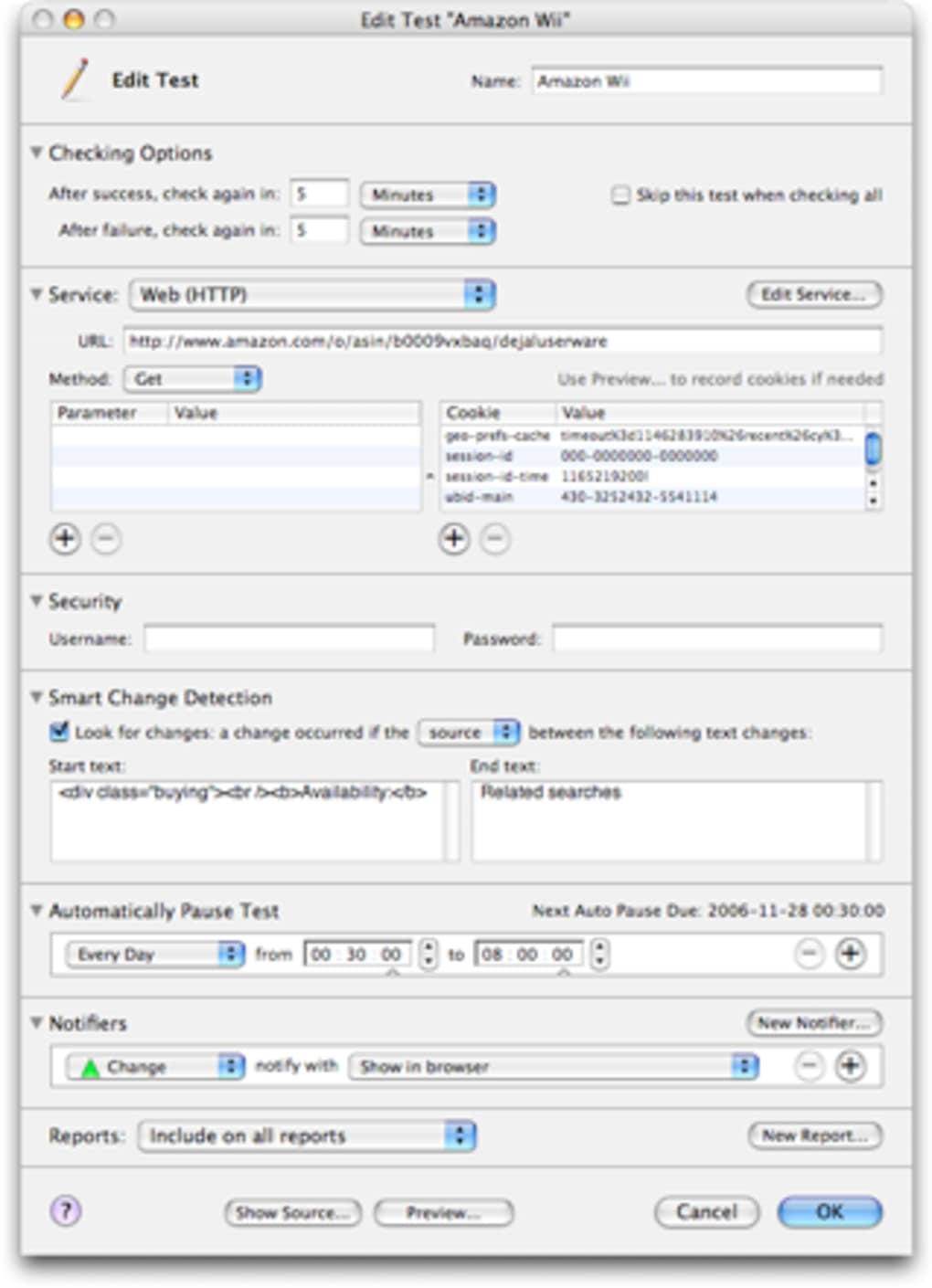
After installation, launch Simon from the Start menu or desktop shortcut. The first time you open the application, you’ll see the “Monitor” window with an empty list. Click the “Add” button to create a new monitor entry. You’ll be prompted to enter the URL, select the protocol (HTTP, HTTPS, FTP, or custom), and set the check interval. For secure sites, you can enable SSL verification and provide client certificates if required. Optional fields let you define a custom user‑agent string, add authentication credentials, and specify a regular expression to look for specific content changes.
Once your resources are added, click “Start Monitoring.” Simon will immediately begin polling each entry according to its schedule. Status icons (green for up, red for down, yellow for warning) appear next to each line, while hovering over a row reveals a tooltip with the last response time and any error messages. To configure notifications, open the “Options” menu, select “Alerts,” and choose your preferred delivery method. For e‑mail alerts, you’ll need to supply SMTP server details; for sound alerts, simply browse to an .wav or .mp3 file. Advanced users can write batch scripts that Simon will execute on failure or recovery, enabling automated remediation such as restarting a service or sending a Slack message.
Monitoring can run in the background, and the application can be minimized to the system tray. Right‑click the tray icon to pause monitoring, view a quick status summary, or exit the program. All configuration changes are saved automatically to an XML file in the installation directory, ensuring that your monitoring setup persists across reboots.
Compatibility, System Requirements & Supported Platforms
Simon was originally built for Windows, and the current stable release works flawlessly on Windows 7, 8, 10, and 11 (both 32‑bit and 64‑bit editions). The software relies on the .NET Framework 4.7.2, which is included with modern Windows installations; if it is missing, the installer will prompt you to download and install it automatically. While there is no native macOS or Linux version, power users can run Simon under Wine or a Windows virtual machine without any loss of functionality.
Minimum hardware requirements are modest: a dual‑core CPU, 512 MB of RAM, and 50 MB of free disk space for the application and logs. Because Simon performs network I/O rather than heavy computation, it can run on low‑end machines, including older desktops and even Raspberry Pi devices running Windows IoT Core. Network requirements are limited to outbound TCP/UDP access on the ports you wish to monitor (typically 80, 443, 21, or custom ports). If you plan to use e‑mail alerts, ensure outbound SMTP (port 25, 465, or 587) is permitted by your firewall.
For users who need to monitor a large number of resources, Simon scales efficiently. The application uses asynchronous I/O, allowing hundreds of simultaneous checks without consuming excessive CPU cycles. However, to maintain accurate statistics, it is advisable to allocate a dedicated machine or a background service when monitoring more than 500 URLs. In such cases, you can also enable the “Log to File” option to offload historical data to an external storage system.
Pros, Cons, and Frequently Asked Questions
Pros
- Completely free with no hidden fees or trial limitations.
- Highly customizable alerts that cover e‑mail, sound, speech, and script execution.
- Supports a wide range of protocols and authentication methods.
- Detailed uptime statistics and exportable logs for analysis.
- Lightweight, portable version available for USB deployment.
- Open‑source code allows security audits and community contributions.
Cons
- Native Windows‑only; no official macOS or Linux client.
- Initial UI can feel overwhelming for beginners.
- No built‑in mobile app for remote monitoring on Android/iOS.
- Advanced features (custom scripts, regex matching) require basic scripting knowledge.
- Logging to remote databases is not supported out‑of‑the‑box.
Frequently Asked Questions
Can Simon monitor HTTPS sites with self‑signed certificates?
Yes. In the monitor settings you can disable strict SSL validation or import the self‑signed certificate into Windows’ trusted store, allowing Simon to verify the connection without raising errors.
Is there a way to run Simon as a Windows service?
While Simon does not include a built‑in service wrapper, you can use third‑party tools such as NSSM (Non‑Sleep Service Manager) to install the executable as a background service that starts automatically on boot.
How does Simon detect content changes on a page?
Simon calculates a hash (MD5 by default) of the page’s raw HTML each time it checks the URL. If the new hash differs from the stored value, a “content changed” event is triggered, and you can receive an alert or run a custom script.
Can I export the monitoring logs for use in Excel?
Absolutely. Simon includes an “Export to CSV” function that writes all logged events, timestamps, and status codes to a comma‑separated file compatible with Excel, Google Sheets, or any data‑analysis tool.
Is there a limit to the number of URLs I can monitor?
There is no hard‑coded limit; the practical ceiling depends on your hardware and network bandwidth. Users have successfully monitored several thousand URLs on a modest desktop PC.
Conclusion – Why Simon Is Worth the Download
Simon delivers a surprisingly robust set of monitoring capabilities without charging a dime. Its ability to watch HTTP, HTTPS, FTP, and custom ports, combined with flexible alert options and detailed uptime statistics, makes it an ideal choice for small businesses, hobbyist webmasters, and even larger IT teams that need a lightweight supplement to enterprise‑grade tools. While the Windows‑only limitation and the initially dense UI may deter some users, the learning curve is quickly repaid by the depth of control you gain over every monitored resource. Whether you simply want to know when a favorite blog updates or you need to keep a mission‑critical server online 24/7, Simon provides a secure, free, and highly configurable solution. Download Simon today, set up a few monitors, and experience peace of mind knowing that any downtime or content change will be reported to you instantly.