print() vs return in Python: Differences, Examples, and Best Practices
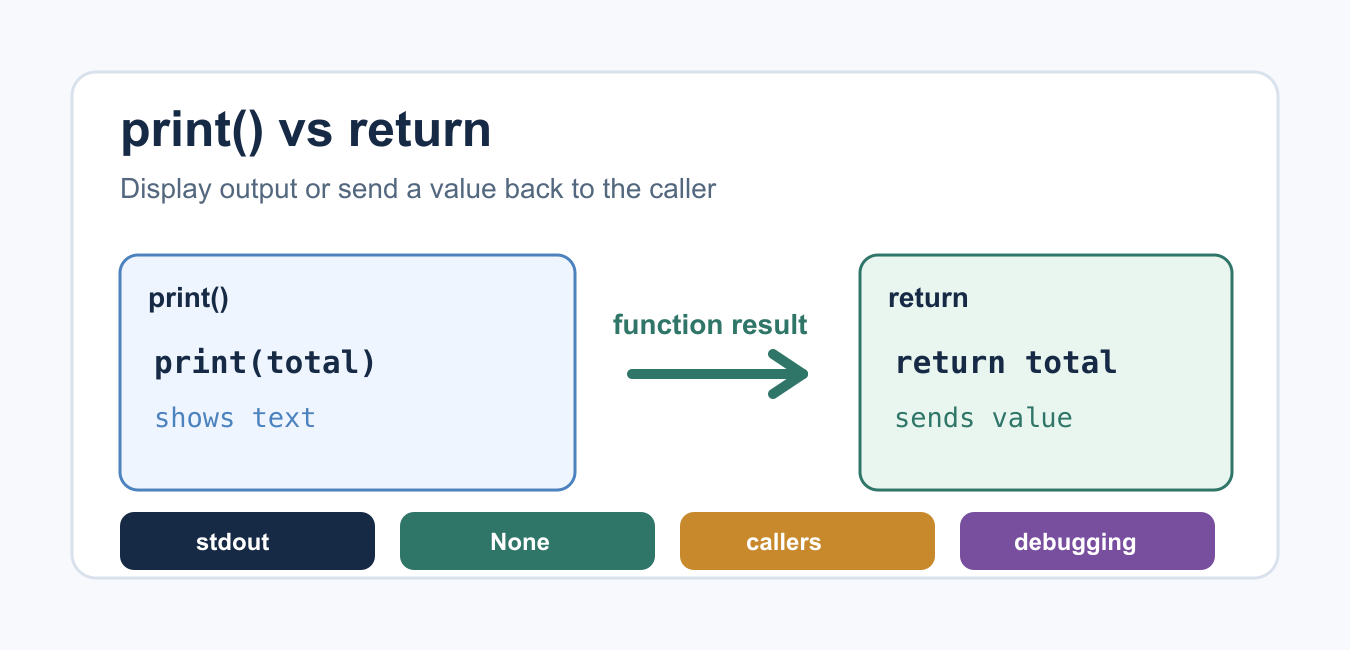
Understand print() vs return in Python with clear examples, None behavior, function design, testing, and practical decision rules.
Compare Python methods, libraries, operators, and workflows with clear differences, use cases, examples, tradeoffs, and practical recommendations.
Understand print() vs return in Python with clear examples, None behavior, function design, testing, and practical decision rules.
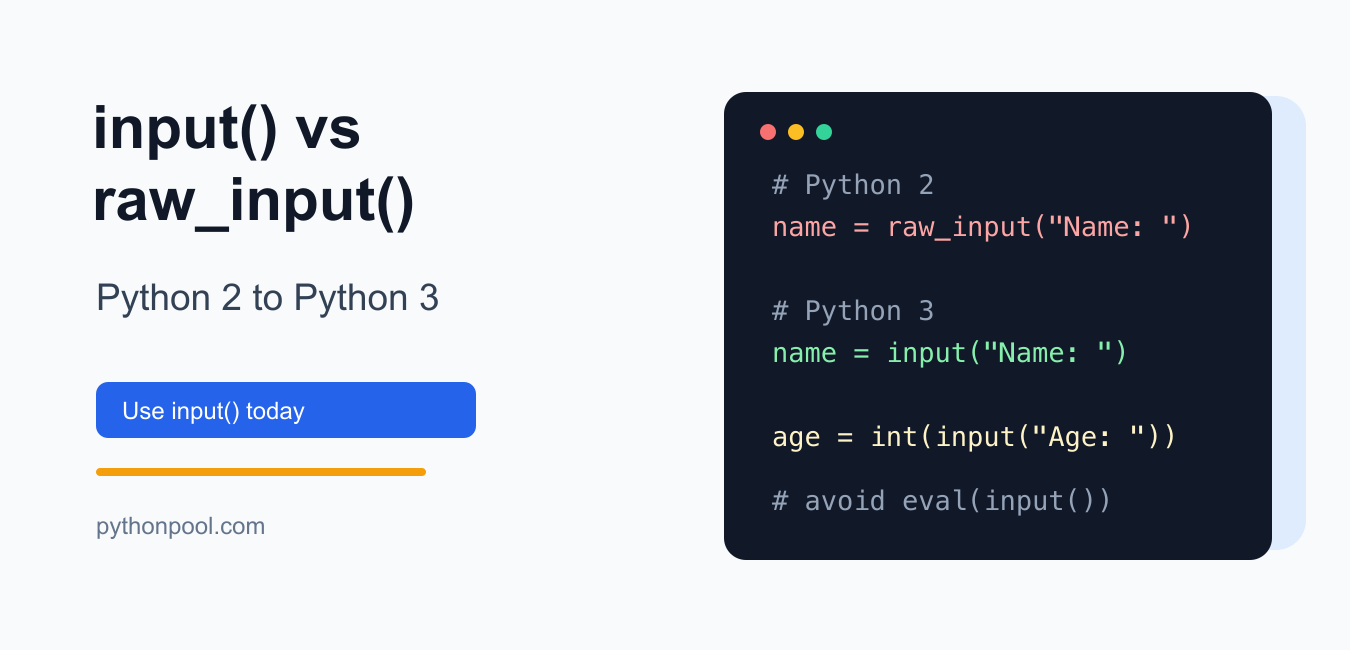
Understand Python input and raw_input differences, migrate Python 2 code safely, and parse numeric input explicitly in Python 3.
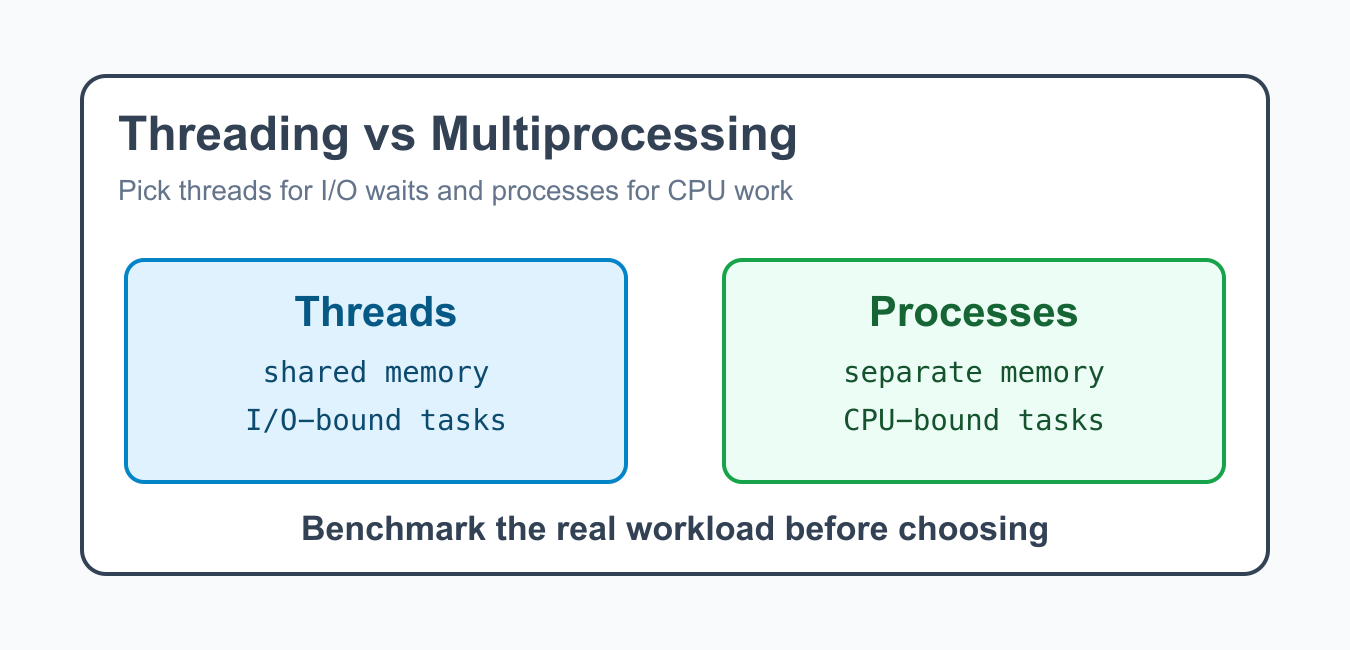
Compare Python threading and multiprocessing for I/O-bound and CPU-bound work, shared memory, process startup, serialization, and safe patterns.
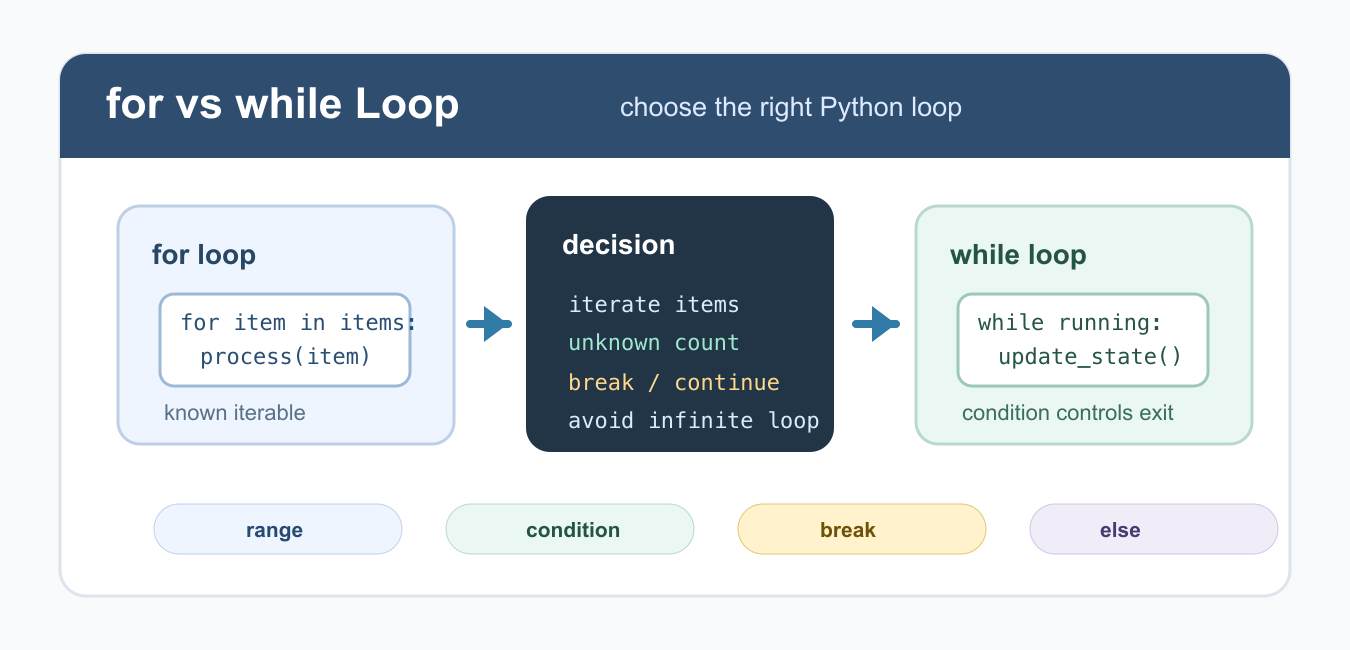
Compare Python for and while loops with iterables, conditions, unknown counts, break, continue, loop else, and avoiding infinite loops.
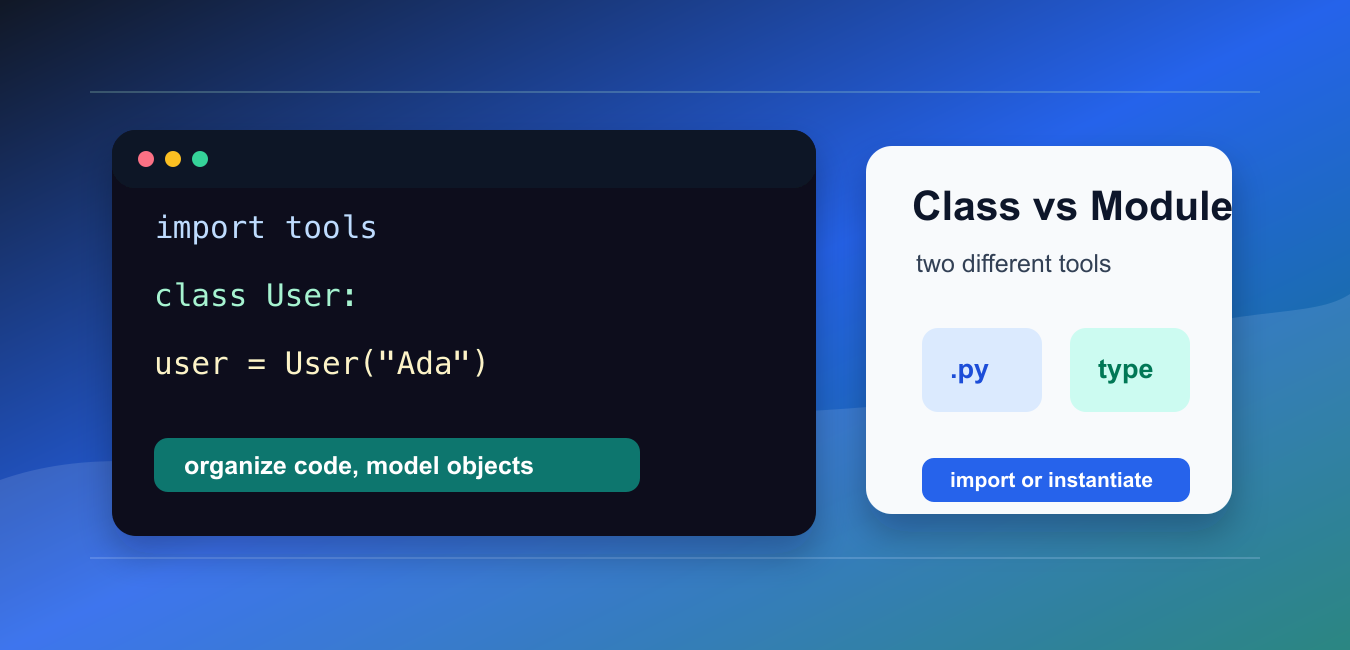
Understand Python classes versus modules, how imports and instances work, where state belongs, and how to organize reusable code.
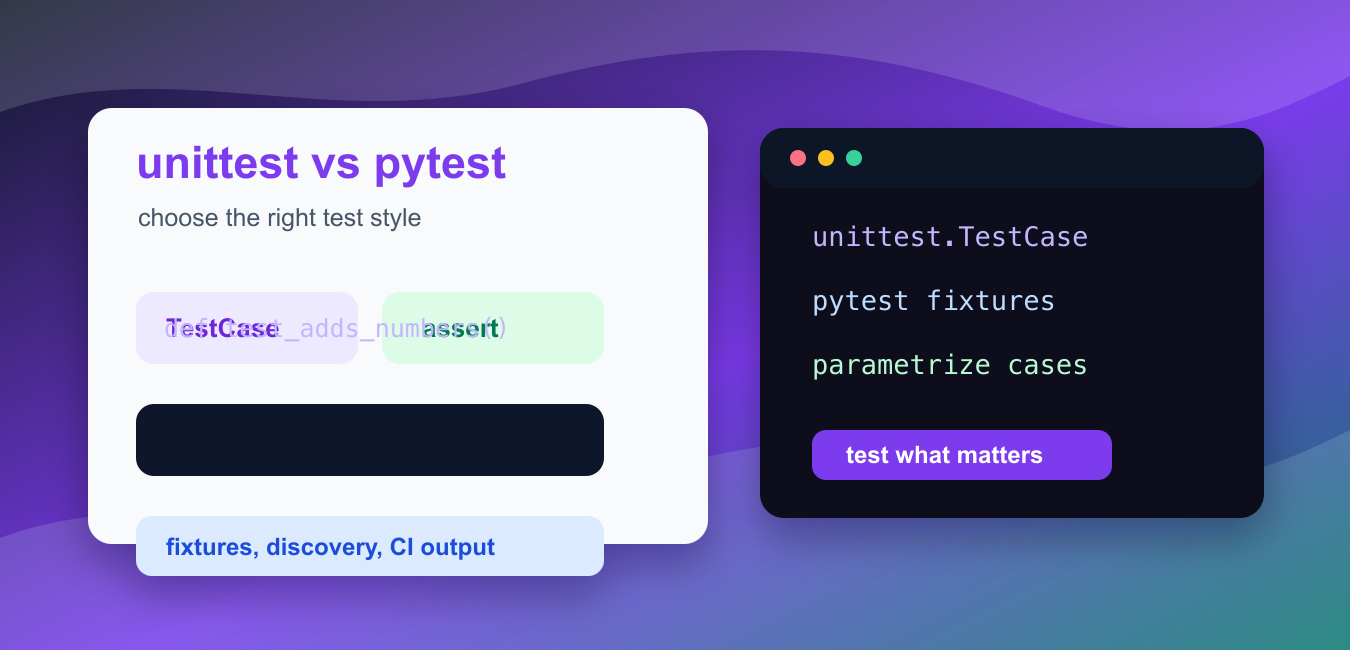
Compare Python unittest vs pytest by dependencies, assertions, fixtures, parametrization, discovery, migration, and CI workflow.
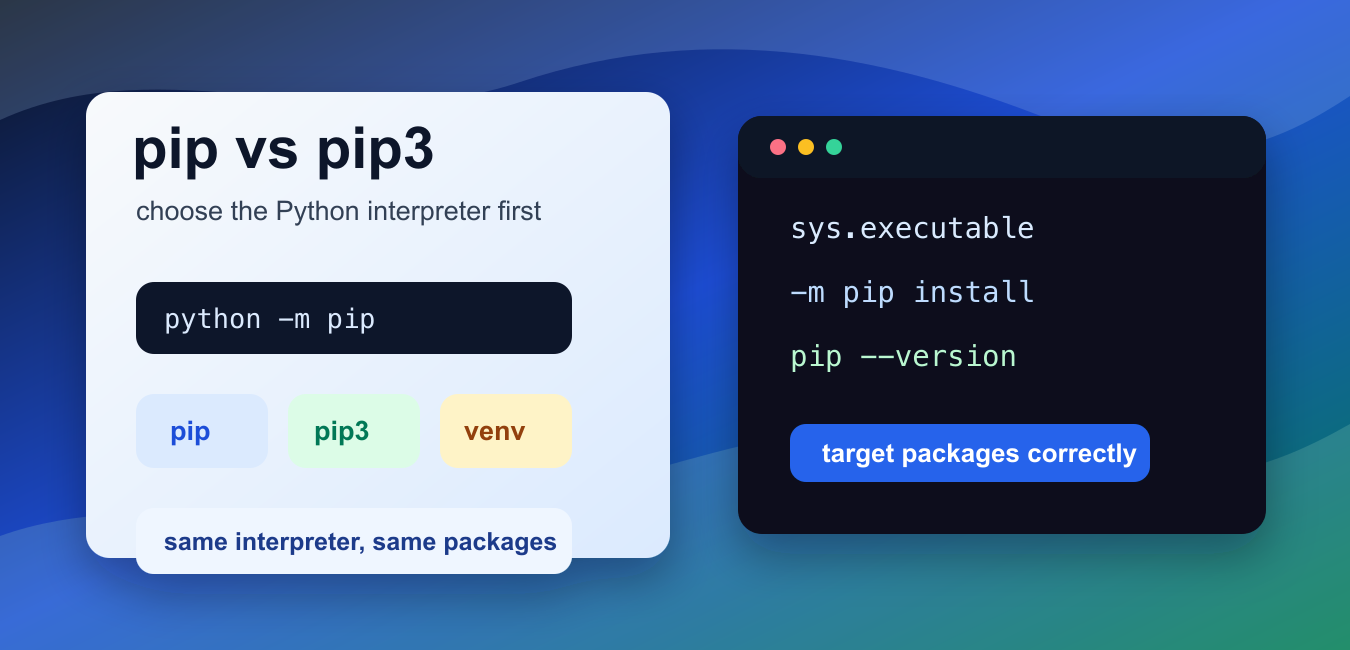
Understand pip, pip3, and python -m pip, then install packages into the exact Python interpreter and virtual environment your project uses.
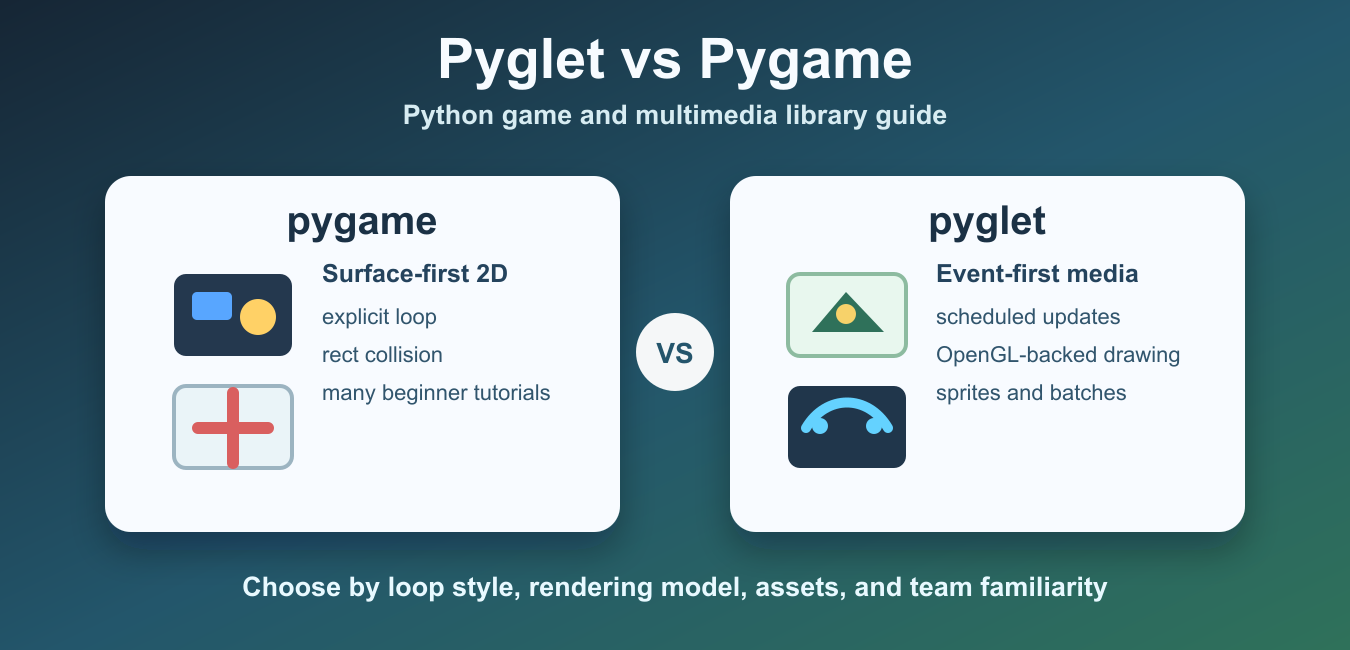
Compare Pyglet and Pygame for Python games and multimedia, including windows, events, rendering, sprites, audio, assets, and project fit.

Choose append() for one object and extend() for iterable items while controlling nesting, aliases, mutation, and return values.
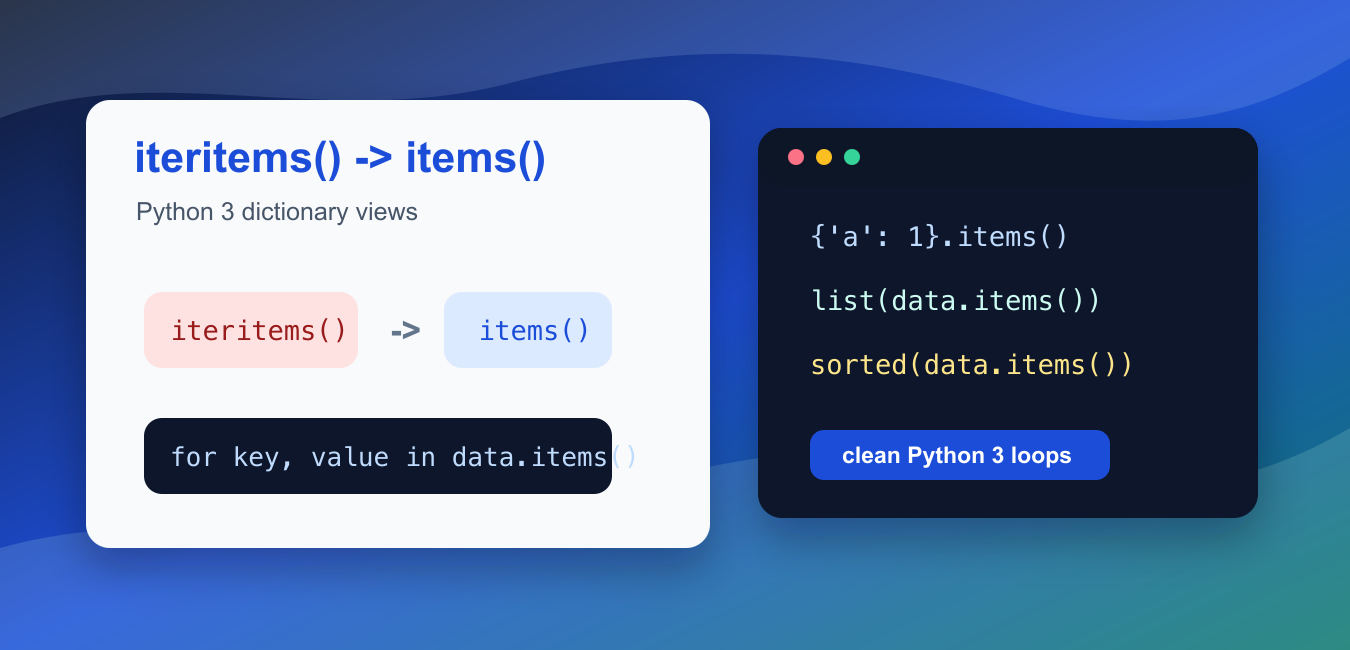
Migrate Python 2 iteritems() calls to Python 3 items(), preserve lazy iteration, and choose list conversion only when a snapshot is required.
