NPS in Python: Calculate Net Promoter Score Correctly
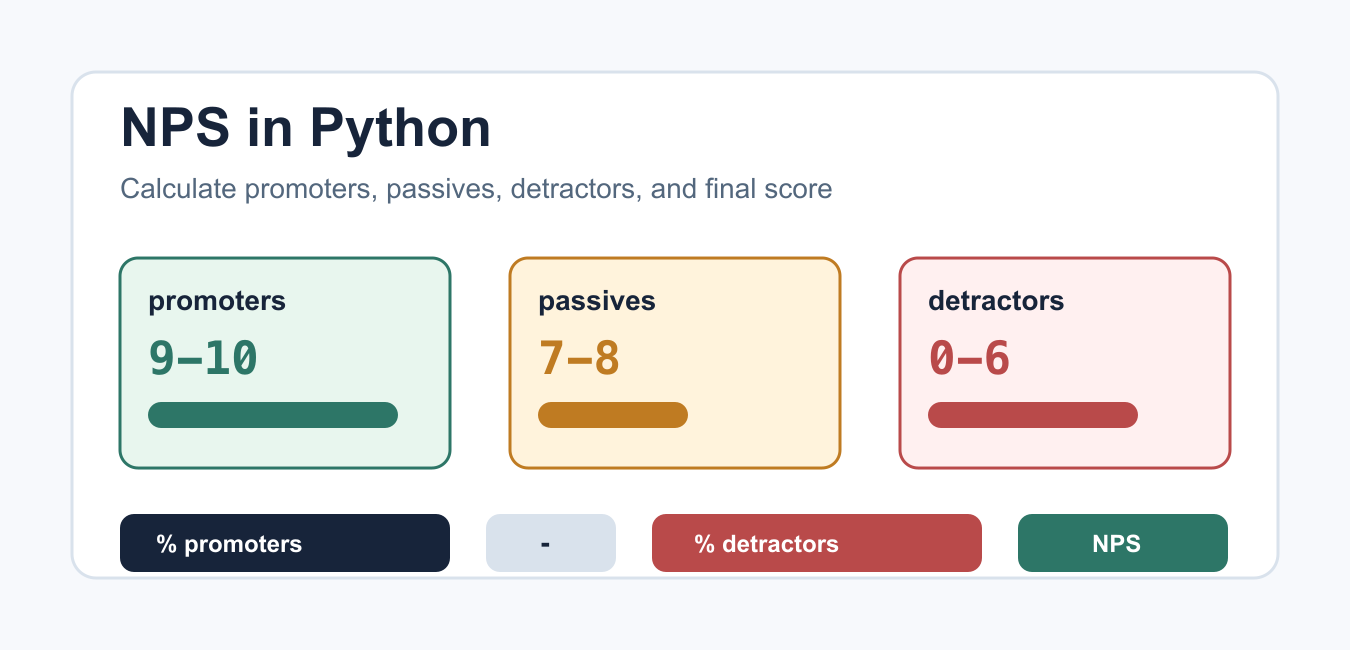
Calculate Net Promoter Score in Python by classifying 0-10 responses, handling missing data, checking denominators, and reporting percentage-point results clearly.
Browse Python programs with beginner-friendly examples, logic practice, input handling, loops, functions, pattern problems, and reusable code.
Calculate Net Promoter Score in Python by classifying 0-10 responses, handling missing data, checking denominators, and reporting percentage-point results clearly.
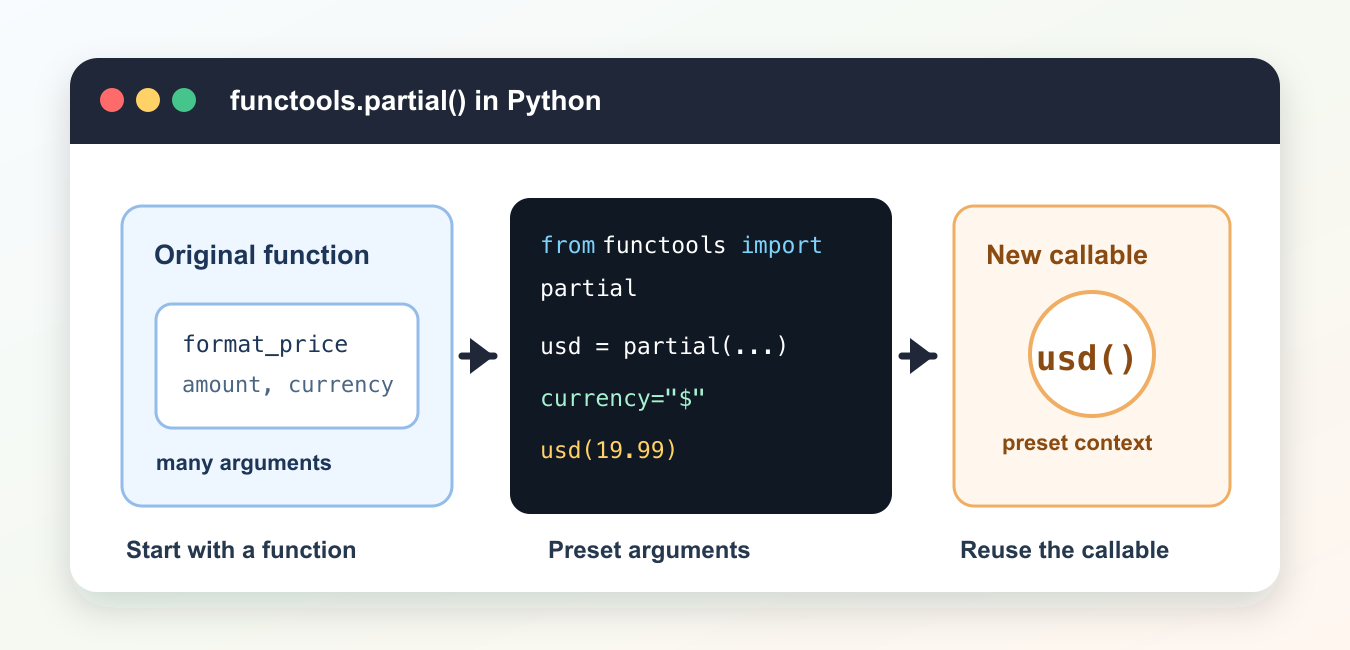
Use functools.partial to pre-fill Python function arguments for callbacks, adapters, pipelines, and readable reusable callables.
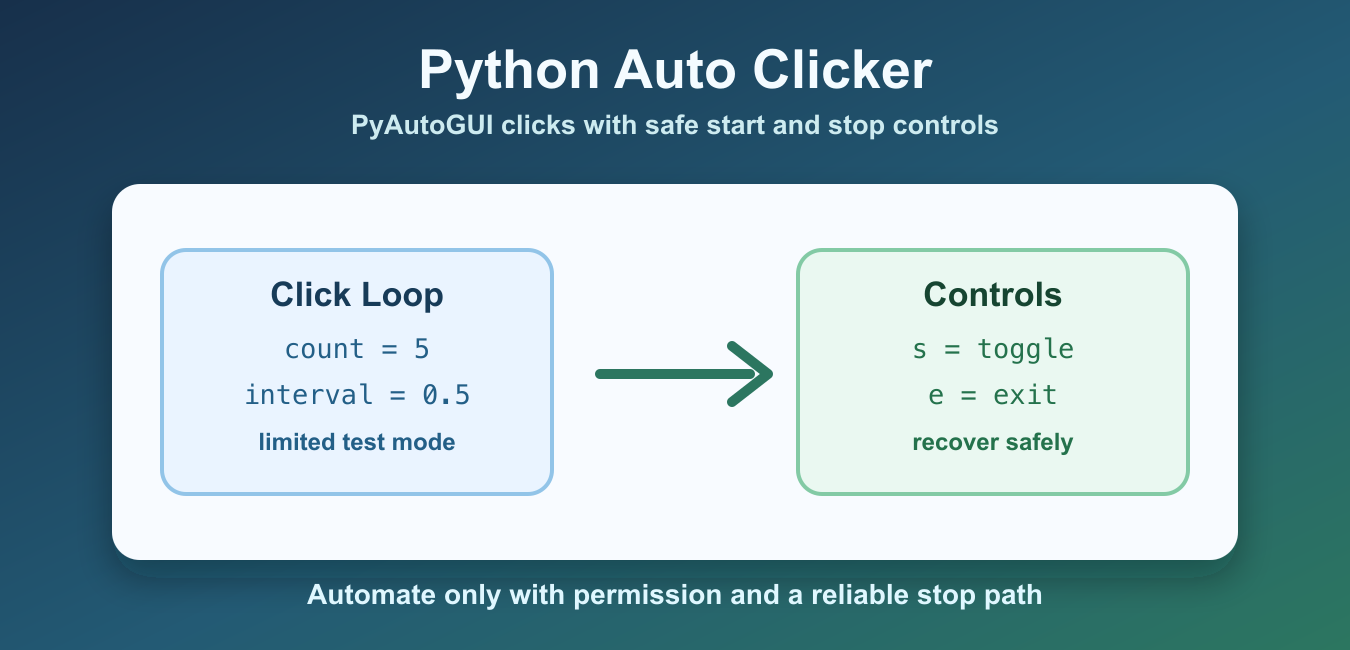
Build a Python auto clicker with PyAutoGUI and optional pynput controls, while adding a countdown, fail-safe, limits, and dry-run tests.
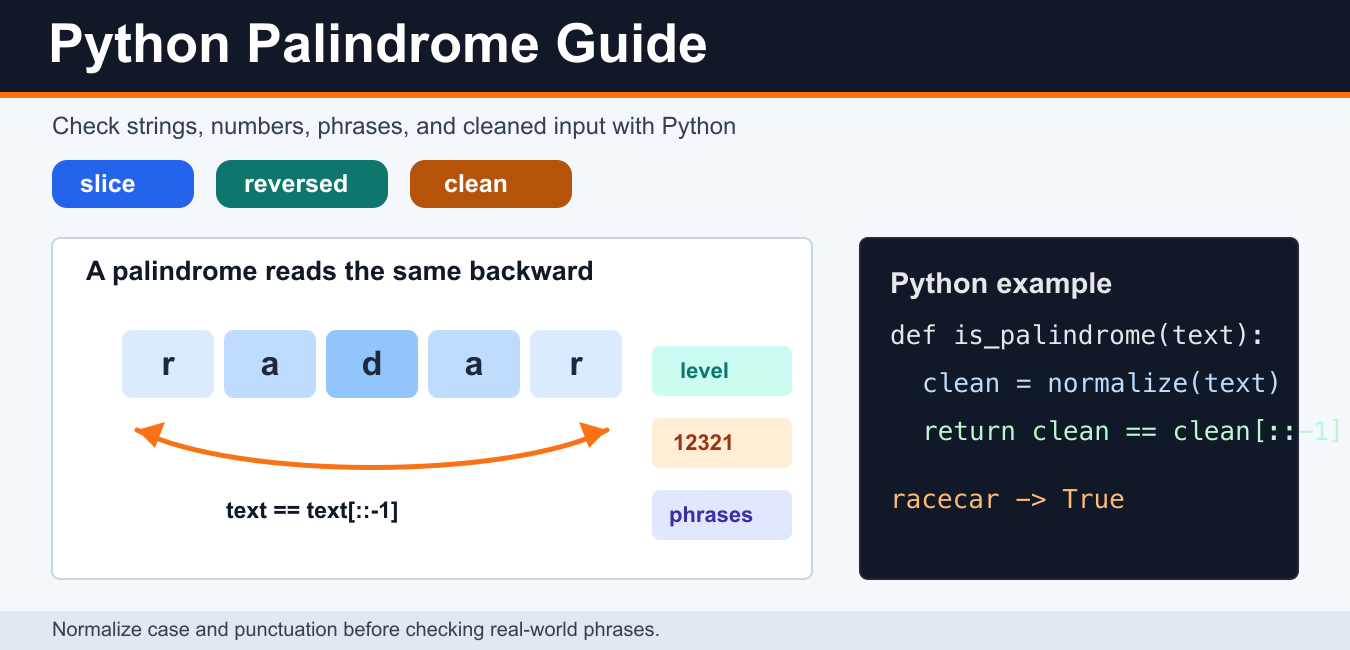
Check palindromes in Python with slicing, reversed(), loops, numbers, normalization, and clear handling of spaces and punctuation.

Use ord() to read one Unicode code point, chr() to convert back, and explicit policies for alphabet positions, bytes, and whole strings.
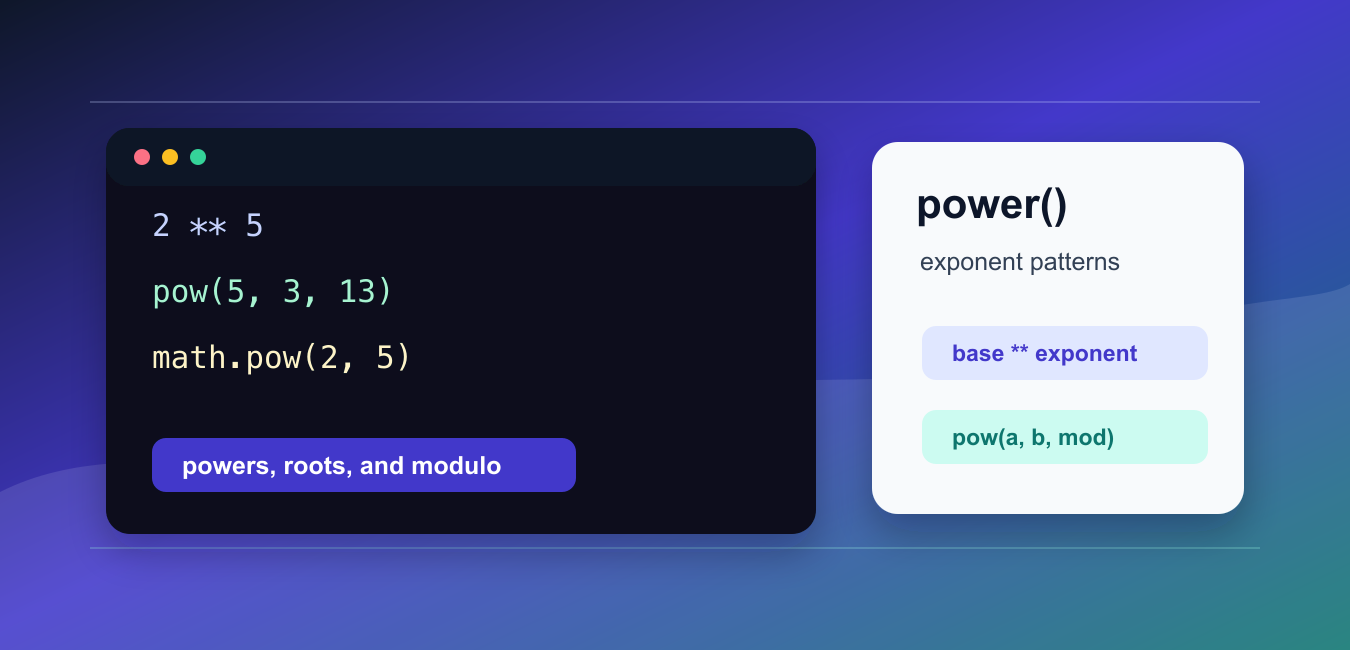
Choose Python **, pow(), or math.pow() for exact integers, float results, modular arithmetic, roots, and negative bases.
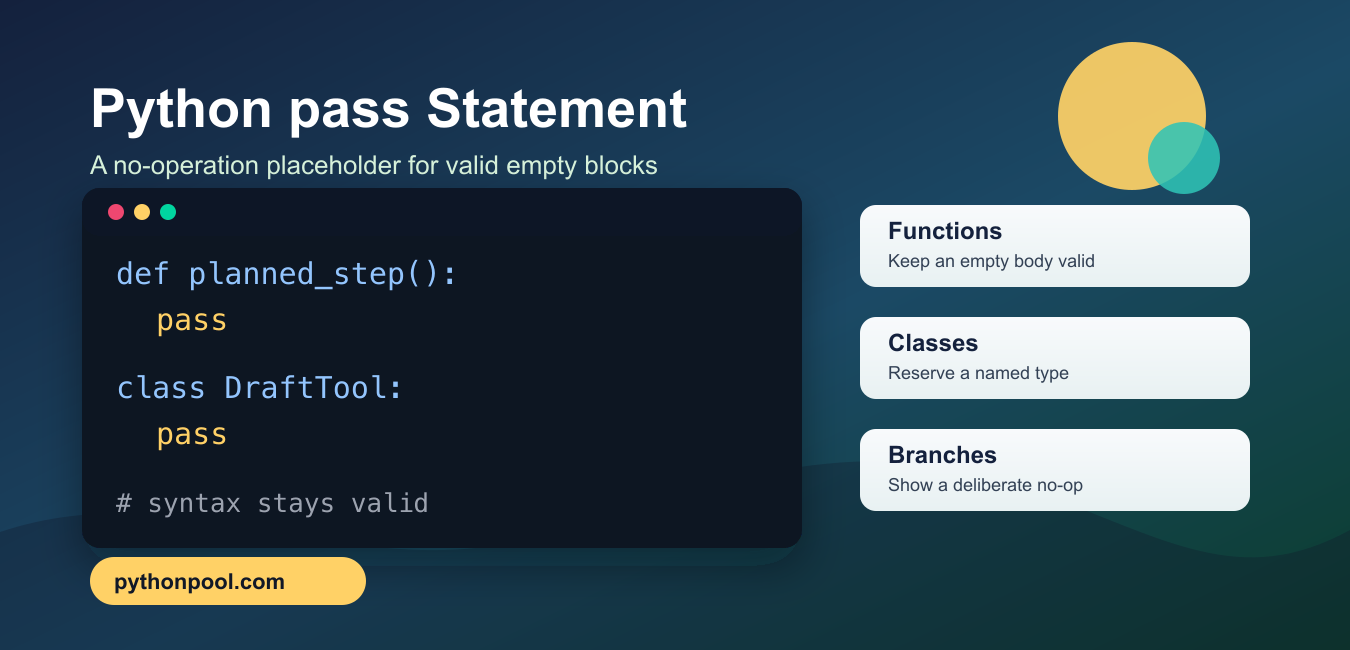
Use pass as an intentional no-op in Python while scaffolding functions, classes, branches, loops, and exception handlers without hiding unfinished behavior.
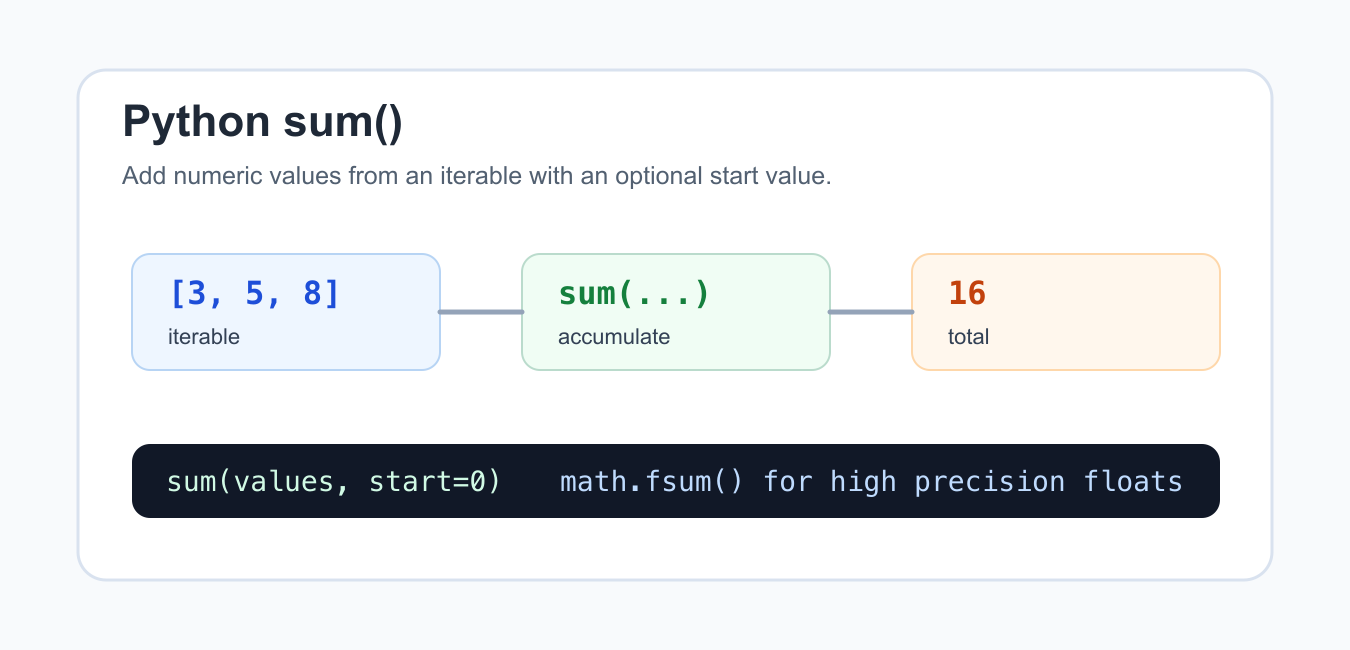
Use Python sum with iterables, start values, generators, booleans, and numeric data while avoiding string concatenation and unexpected empty results.
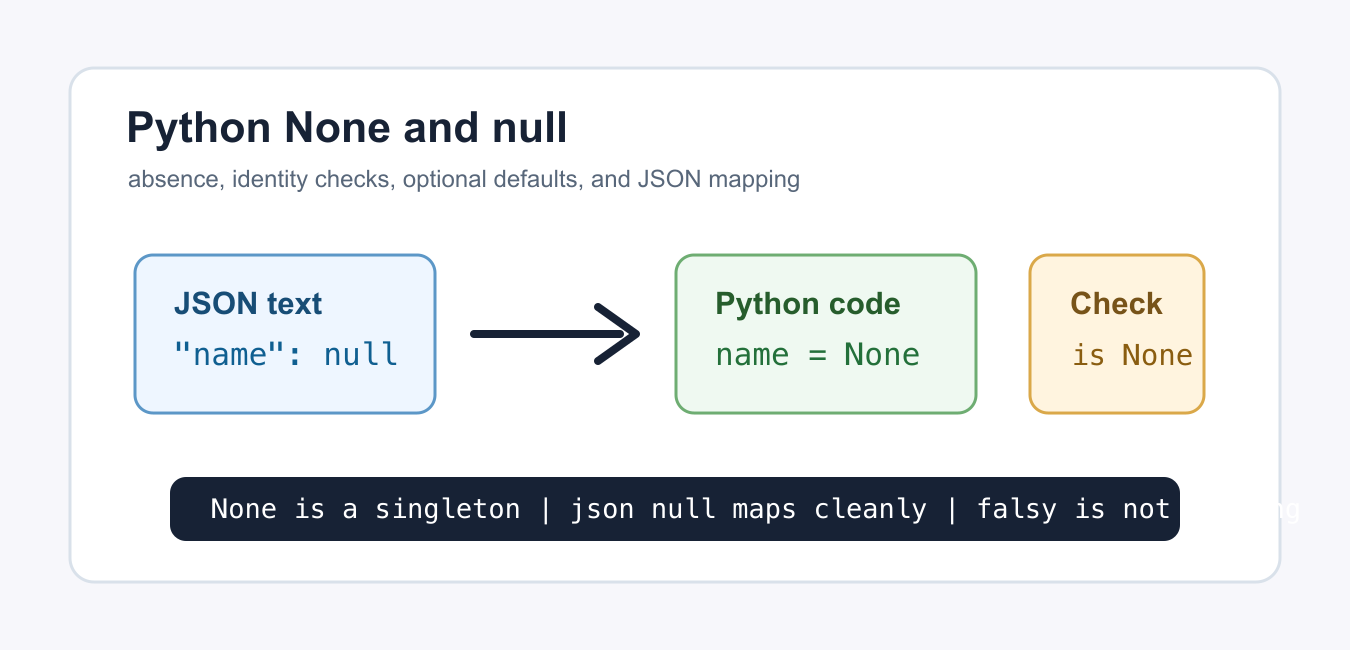
Python uses None to represent an absent value; test it with identity checks and define how missing differs from empty or zero data.

Use Python map() as a lazy iterator, align multiple inputs, and choose between map(), comprehensions, and explicit loops.
